Thomas Duffy: Tractor revolution - why biomethane is ahead

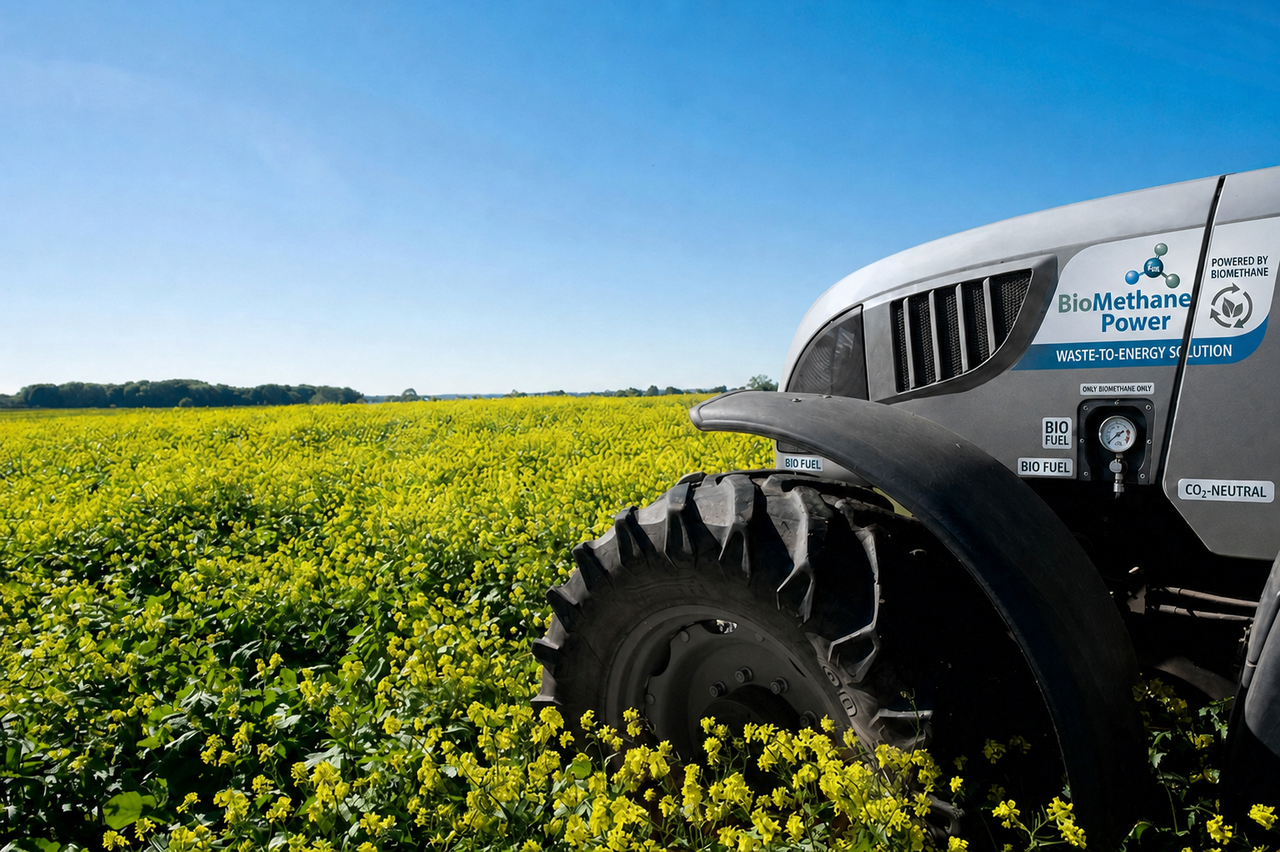
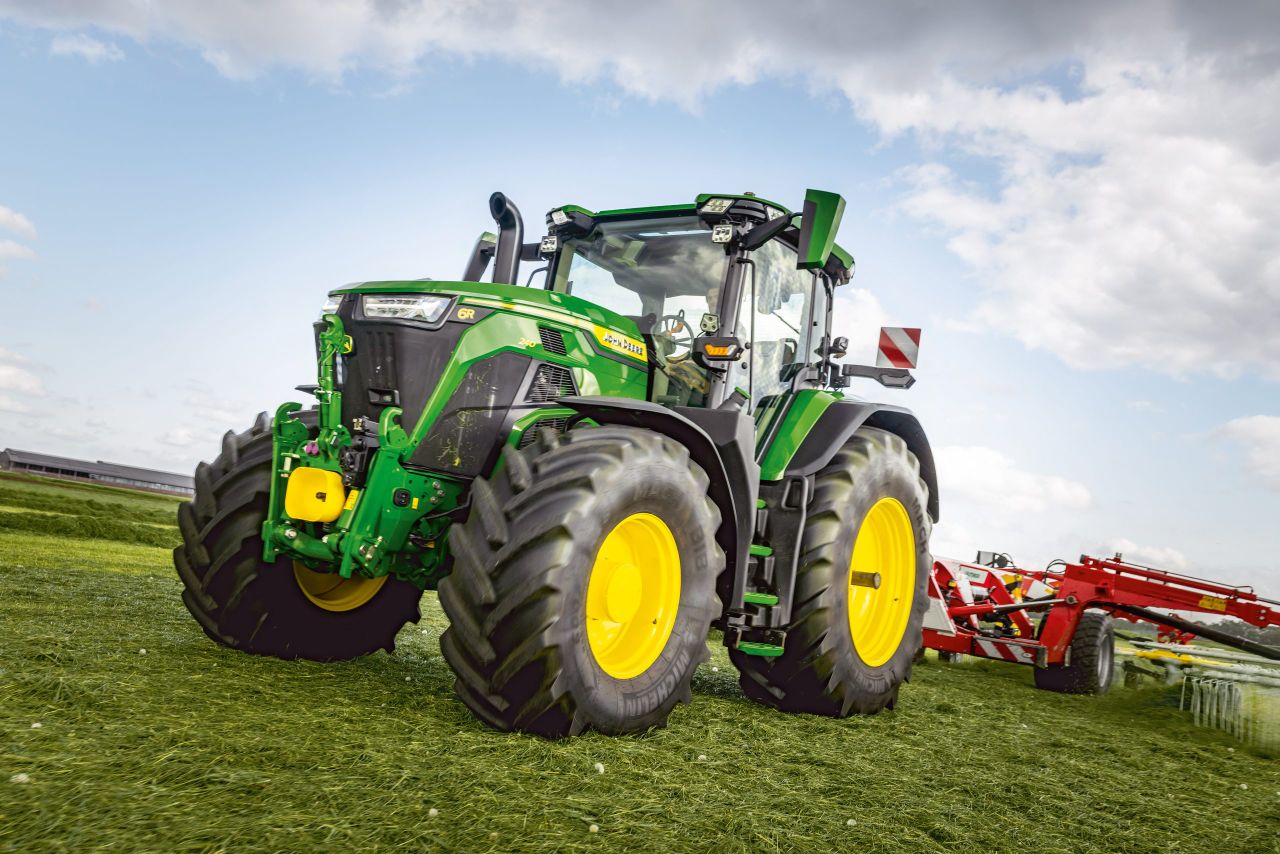
While the electric tractor may be finding its feet, its biomethane rival is already well established - with industry heavyweight Case New Holland offering farmers not one, but two models.
Why is that? Because biomethane solves one of the key drawbacks of EVs - range.
These machines can deliver runtimes comparable to traditional diesel tractors, while offering significant carbon savings compared with fossil fuels.
But there is always a catch and those carbon savings depend on one crucial factor - ensuring the tractor is always running on genuinely non-fossil gas.
One of the reasons why methane tractors could be designed so fast is because the design was not new.
Gas based tractors actually have existed since the 1940s in the form of CNG powered tractors and machines such as forklifts are often powered by it today so the technology cannot be described as truly new.
Refueling
But while this may all sound promising there is one big hurdle when it comes to biomethane tractors and Ireland.
This country has only 31 active biodigesters and lags significantly behind countries like Denmark (170-175 biodigesters) or Germany (9315 biodigesters).
Although a significant number are in the planning stage these are mostly intended to be used in "direct injection" with the existing gas grid.
Farmers within reach of this network of gas pipes could in principle connect to any of them to refuel their tractor, infrastructure required of course.
But while fossil gas can provide some carbon saving versus diesel an argument can also be made that this is a more complex way of achieving the same as increasing biodiesel.
Both biodiesel and biomethane however suffer from the same problem which is land use - both require land from production in a world with more mouths than ever to feed.
But let us also give biomethane some credit here as it can use both livestock manures with forages potentially diversifying Irish agriculture and providing income streams without removing high quality land unlike biofuels.
Some trials are currently being carried out to design smaller scale digesters or even methods of collecting methane naturally created by winter storage and refining these for use.
Biomethane
It is also possible for biomethane tractors to be refueled in the field by transporting sealed containers of either biomethane or fossil gas in a pressurised bowser of sorts.
There is an obvious risk with both the explosive risk of transport and the fire risk of transferring the gas often around hot machines.
These factors make it unlikely we will see a significant uptake by contractors anytime soon.
But on a large enough farm - capable of investing in and collecting their own methane - perhaps one day these alternative fuel tractors could play a role.
Hydrogen
There is one other alternative fuel that has long been hyped as the EV killer and that is hydrogen.
This has been championed by companies such as JCB as a potential route to cleaner heavy machinery.
But hydrogen also comes with a problem: it combines the headaches of methane refuelling with even higher costs and there is also the fact that hydrogen really does not like staying put.
While it may be possible to have a tank of CNG or biomethane on a farm, hydrogen is a different matter.
Keeping those tiny molecules contained requires expensive materials and either extreme pressure or cooling, adding cost, complexity and safety concerns.
Several manufacturers have unveiled hydrogen tractor concepts and prototypes, but there is a danger they could go the way of hydrogen cars: perpetually promising, rarely delivering.
Second act?
But the prospect of hydrogen may not yet be dead.
Its strongest argument could lie not in fuelling individual vehicles, but in storing energy.
Green hydrogen can be produced using surplus renewable electricity, potentially turning intermittent wind power into something that can be stored and used later. That opens up applications ranging from backup power to green ammonia for fertiliser and fuel production.
But there is a catch here too and that is cost.
Building the infrastructure needed to produce, store and distribute green hydrogen is expensive, making it difficult to see a winning economic case for farms in the short-term.