Over 1,000 UK bluetongue cases confirmed as farmers urged to vaccinate

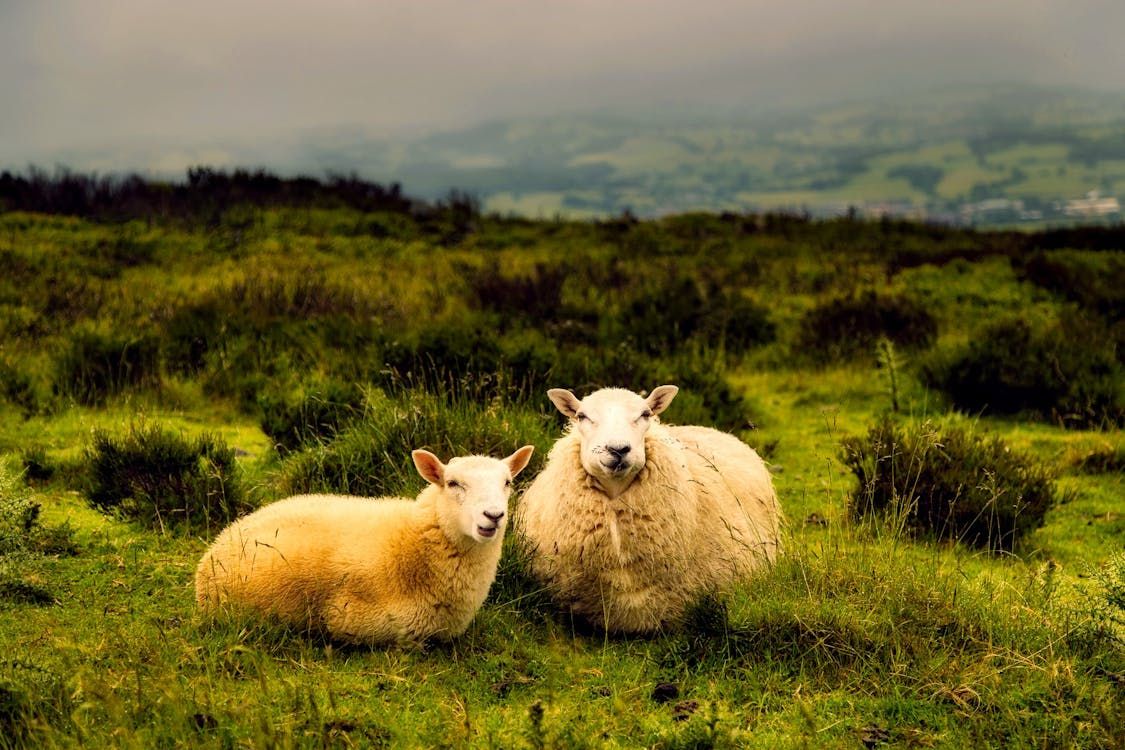
There have been 1,048 cases of bluetongue serotype 3 (BTV-3) in the UK in the 2026/2027 season, the Department for Environment, Food and Rural Affairs (Defra) has confirmed.
A case is defined as a premises on which at least one bluetongue positive animal has been confirmed.
This includes:
- 916 cases in England;
- 111 cases in Wales;
- 21 cases in Scotland.
There have been no cases of bluetongue serotype 8 (BTV-8) in the 2026/2027 bluetongue season in the UK.
There are currently 2,046 potential cases of bluetongue under investigation in Great Britain.
These are premises that have reported suspicious clinical signs and where the keeper has not yet received the test results.
Farmers reminded to vaccinate
The UK's Agriculture and Horticulture Development Board (AHDB) has said that the number of confirmed cases has doubled over the past three weeks with the peak of the outbreak expected at the end of September, depending on seasonal weather conditions.
AHDB said farmers across England will get the chance to better understand the benefits of vaccinating sheep and cattle against BTV-3 at a series of special meetings it has organised.
AHDB's head of animal health and welfare, Dr. Mandy Nevel said: "Over the past few weeks we have seen the bluetongue virus spread from the south-west of England and across large areas of England, Wales and Scotland.
"Vaccination firmly remains the single most effective tool available to help protect vulnerable animals.
"Although vaccine availability has been the subject of much discussion over recent weeks, we are seeing an increase in supply.
"Farmers who have not yet vaccinated should speak with their local vet to ensure their animals are protected from this deadly disease.
"The key message remains clear: it is not too late to vaccinate."
Bluetongue in Ireland
Ireland’s first bluetongue infection of 2026 was confirmed recently.
A heifer in Co. Wexford tested positive for BTV-3.
The Department of Agriculture, Food and the Marine (DAFM) said the case was confirmed during a post mortem examination on the 16 month-old animal, which was not vaccinated against the disease.