Opposition politicians outline concerns over new rural housing plan


The implications of the government's proposed new rural housing plan for Gaeltacht communities are "deeply concerning", according to Sinn Féin.
Planning minister John Cummins and housing minister James Browne sent a memo to Cabinet yesterday (June 30) to outline new planning guidelines for rural and Gaeltacht housing.
The overall approach is to facilitate new rural housing for those with a local rural housing need.
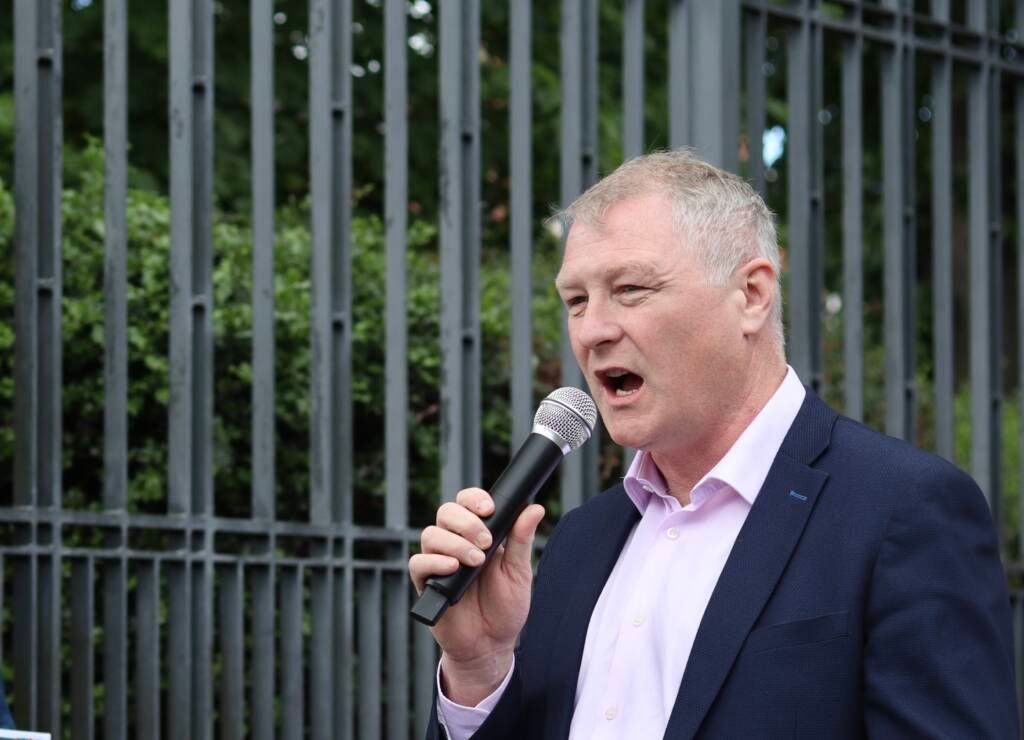
Sinn Féin spokesperson on rural affairs, community development and the Gaeltacht, Conor D. McGuinness, said that on first reading, the changes proposed are quite modest.
He said: “Sinn Féin has long argued for planning rules in rural and Gaeltacht areas that would allow workers and families to live and thrive.
"The long delay in the publication of these guidelines has created confusion, uncertainty and inconsistency in the decisions of our planning authorities.
“The real test of the draft guidelines, and of this government’s policy on rural Ireland, is whether these communities can recover and grow.
“We have long argued for planning rules that allow people to build homes in their communities in a manner that is socially, economically, and environmentally sustainable.”
Rules
While the Sinn Féin TD noted some positives in the new rules, he stressed that “there is a need to clarify how the new rules will operate in practice”.
“While there are some positives in the proposed changes to rural planning rules, the implications for Gaeltacht communities are deeply concerning.
"The proposed substantial duration of five to 10 years and the 3km requirement are unclear and need urgent clarification.
"We are concerned that they may exclude Irish speakers who want to move into existing Gaeltacht communities."
According to the new plan, in Gaeltacht areas, the applicant must live within 3km of the site and must have lived there for 10 years.
Deputy McGuinness believes that the housing minister should have included a linguistic condition in his definition of social need and economic need.
He said: “I am also concerned that the planning requirements for private developers set out in the Language Impact Statement appendix could reduce the volume of homes built for Irish speakers.
“The minister needs to engage with Gaeltacht communities and Irish language advocacy organisations, listen to their very real concerns, and amend the draft rules accordingly.
"He also needs to address the ongoing negative impact of unregulated commercial short-term letting in Gaeltacht communities.”
Green Party reaction
Meanwhile, the Green Party has expressed concern that the new rural housing guidelines will place further demands on service providers, increase the burden on local authorities, undermine the viability of town centres and place further pressure on vulnerable groundwater and added risk to public health.
Senator Malcolm Noonan, the party’s spokesperson for agriculture, food, the marine, heritage and nature, said that the blanket approach to liberalising Ireland’s rural one-off housing guidance ignores different dynamics in the regions and even within individual counties.
He said: “We have a lop-sided country where pockets within the west and midlands are experiencing population decline and as we move east, we can see many rural areas blighted by urban influenced one-off housing.
“This is placing a strain on road infrastructure, waste collection services, emergency services and postal services.
“Oil price increases not only impact on the commute from these places where no public transport options are available but also on the cost of resurfacing and maintaining local road infrastructure.”
The senator described the policy as “poorly thought-out” and "more about political expediency" than it is about a plan-led approach to land management, protection of nature and water, and mobility.
He added that options do exist that would greatly benefit rural Ireland; schools and local services.
The senator said: "Government should be putting far more emphasis into the Town Centres First programme; exhausting all options for heritage led regeneration in our towns and villages but also supporting clustered housing connected to water and wastewater facilities on the periphery of villages or using Integrated Constructed Wetlands.
"The policy change announced yesterday will throw up other challenges regarding poor integration of rural public transport and may not address substantive issues that are leading to rural depopulation in some parts of the country; most notably lack of employment opportunities and falling farm incomes on marginal farms."
The senator also referred to the impact of storms on rural Ireland.
He said: "If we consider nothing else in all of this, look at the chaos that ensued in rural Ireland following Storm Éowyn.
"It took many months to repair all of the electricity infrastructure to households and created a huge issue around forestry setback.
“With the likelihood of increased frequency of storm events, how does government propose to resource resilience in our rural areas with more housing?"
Social Democrats
A Social Democrats spokesperson said: “We want to support people to live in rural areas and want people in rural areas, whether they own land or not, to live in affordable housing in well planned communities with access to the critical services that they need.
"We must also ensure that Gaeltacht areas have housing that facilitates and supports Gaeltacht communities."
The party said it welcomes a streamlined approach and the removal of an unfair postcode lottery.
"However, we are concerned that the draft planning guidelines will not breathe new life into towns and villages in rural areas," it said.
“The Housing Commission has said we need a much greater mix of homes in towns and villages – to include social, affordable and cost-rental. This is not addressed in the plan. In fact, the word 'affordable' doesn’t even feature in the document.
“This plan will do nothing to ensure that local authorities across the country are provided with more resources to deliver affordable housing in rural towns and villages on the scale that is required."
The Social Democrats also pointed out that there is "nothing new in the plan to tackle dereliction", which it described as "a major blight in towns and villages across the country".