Bull beef: Greatest profit and lowest carbon of all Irish suckler systems

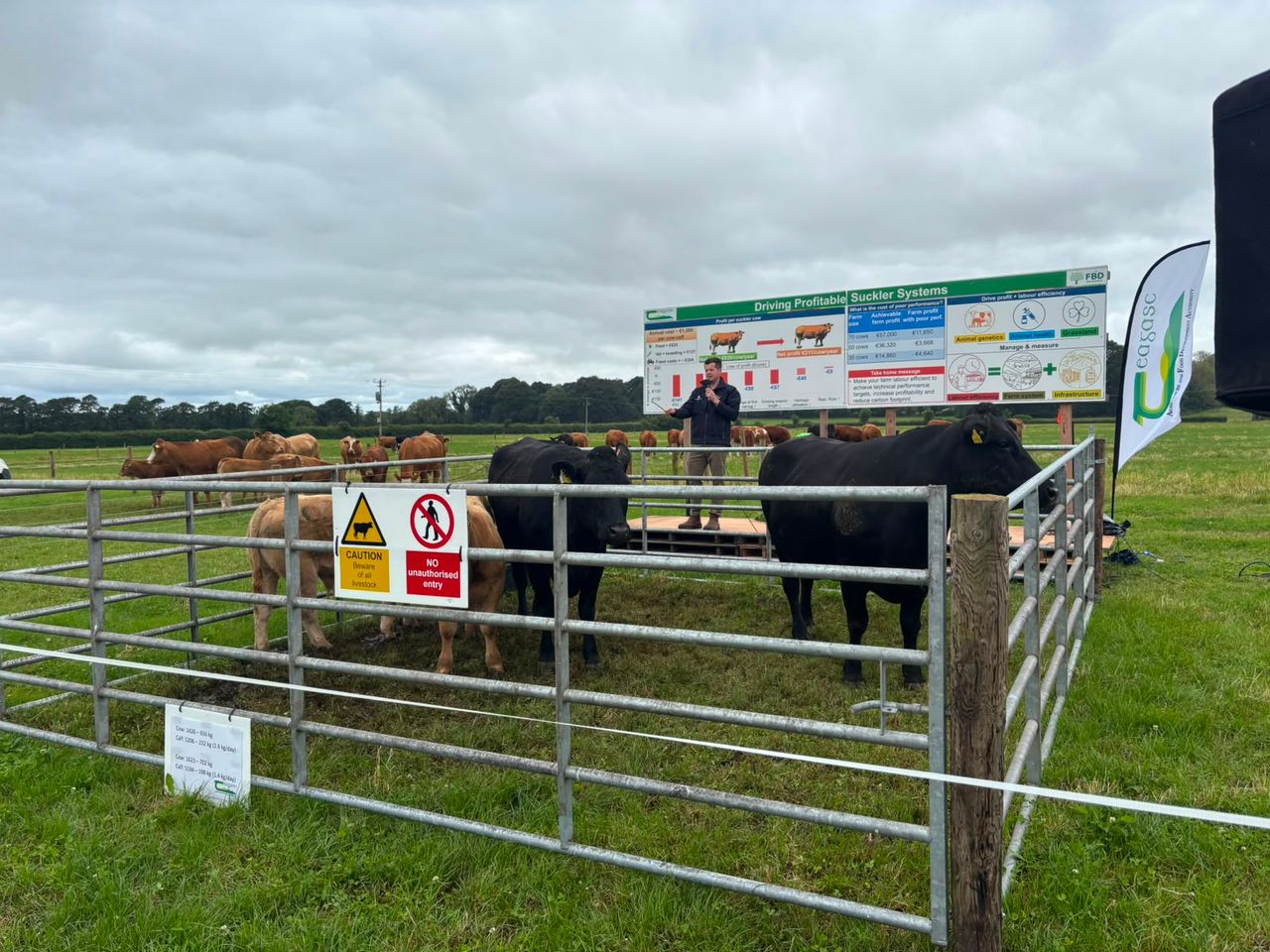
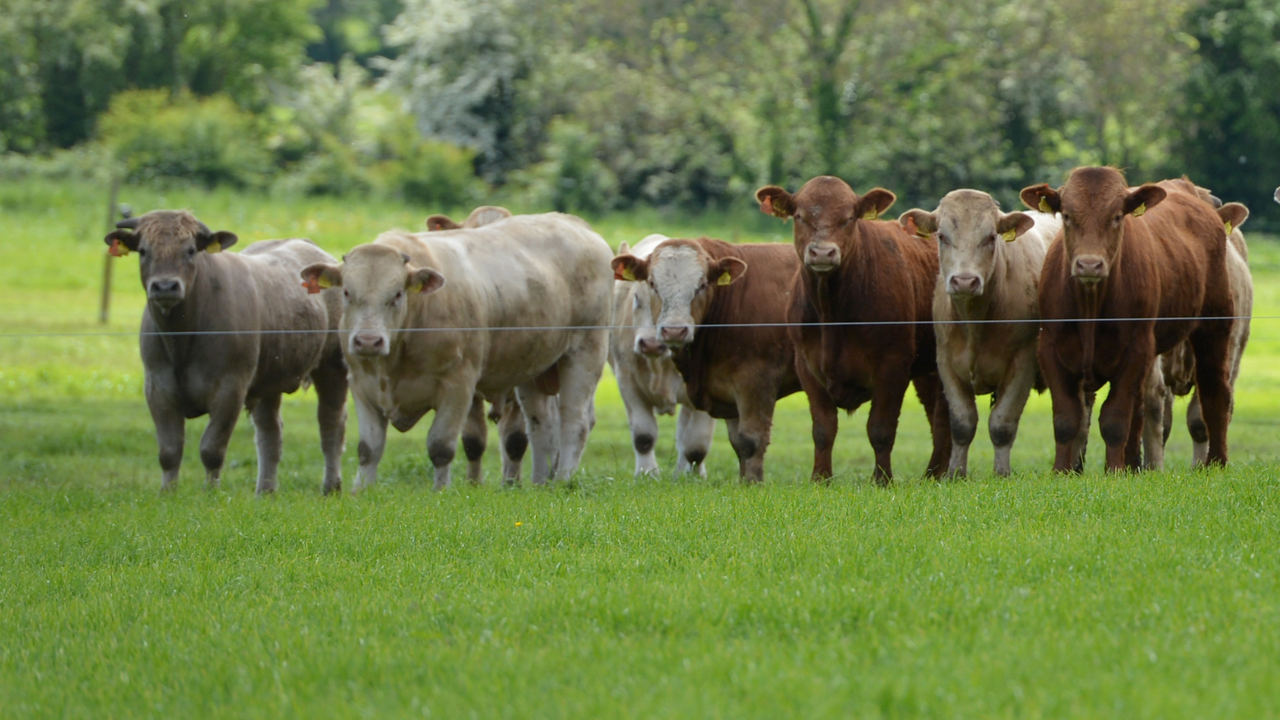
Young bull production resulted in the greatest profit and lowest carbon footprint across all suckler calf-to-beef systems, according to research presented at BEEF2026.
The national biennial beef open day is taking place at Teagasc Grange in Co. Meath today (Wednesday, July 1) with suckler and beef farmers as well as key beef industry stakeholders from across Ireland and further afield in attendance.
The theme for the 2026 event is 'Driving Sustainable Performance' and one of the three key research presentations at the event was titled 'Suckler beef systems for profitable production'.
This research project looked at several key aspects of suckler beef systems in Ireland and had a number of interesting findings with the data on bull beef particularly interesting from an emissions and profitability perspective.
According to the Teagasc research, the annual cost of keeping a suckler cow-calf pair is €995 excluding land and labour charges.
The research presentation also found that weanlings achieving the "top-25%" of sale prices generated €262/ha higher net margins than those receiving the average price.
Age at first calving, herbage utilisation and clover incorporation respectively had the most substantial effects on farm net margin.
On greenhouse gas emissions intensity, age at first calving, calving rate and clover incorporation respectively had the greatest influences.
The role of the Commercial Beef Value (CBV) in suckler beef systems was also found to be significant, with each €1 increase in CBV increasing carcass value by approximately €1.60.
Enteric methane emissions in suckler systems
Interestingly, the research paper noted that Ireland is currently relying on international coefficients to estimate the quantity of enteric methane produced from our national suckler herd.
These international coefficients state that enteric methane emissions account for 65% of suckler calf-to-beef emissions.
As part of the RumenVentory project, funded by the Department of Agriculture, Food and the Marine (DAFM), enteric methane emissions are being measured in all classes of suckler animals, including cows, replacement heifers, calves, growing-finishing steers and heifers across a range of diets in both the Derrypatrick and Maternal herds at Teagasc.
This data will be compiled to calculate the true enteric methane emissions from the Irish national suckler herd.
Stay tuned to Agriland for further updates from the Teagasc BEEF2026 event.