What is 'local need' when it comes to new rural housing guidelines?

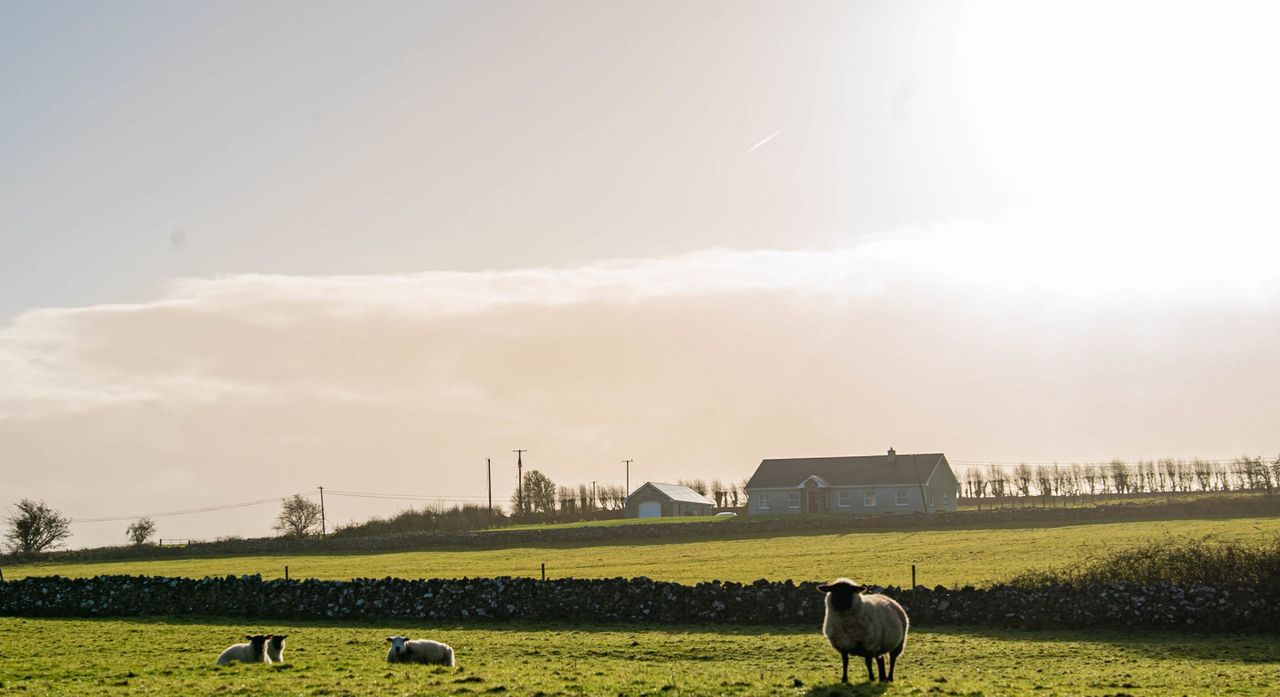
A memo will go to Cabinet today (Tuesday, June 30) from planning minister John Cummins and housing minister James Browne to outline new planning guidelines for rural and Gaeltacht housing.
The draft National Planning Statement will provide more clarity and consistency by defining the relevant planning criteria on where, and how rural housing can be developed.
The overall approach is to facilitate new rural housing for those with a local rural housing need.
This aim is to balance it with preventing urban generated sprawl in rural areas that are identified as being under urban development pressure, and encouraging the regeneration of rural towns and villages and responding to rural depopulation.
The changes will mark a significant shift away from restrictive planning practices that have been a frustration for people for many years.
Rural housing 'need'
The draft statement explains how someone can show they have a “local need” to build a house in certain rural areas where these requirements apply.
Local needs criteria do not apply within rural settlements (having less than a population of 1,500 as per the most recent Census year). They will now be regarded to have a rural housing need.
Local needs criteria apply in rural areas under urban influence and the Gaeltacht.
There are two main ways to qualify, where a person looking to build a new single rural house can show one of two needs: social need and economic need.
Social need
The applicant must have lived in the rural area, the standard rule will be seven years in rural areas at any point in their life.
The site for the new house should also be in or near that area - generally up 10km from where they currently live or originally come from.
The draft statement does allow some flexibility in how “local social need” rules can be applied within a permitted range in different rural areas, depending on how much pressure they are under from development.
Stricter social need criteria apply in areas under the most development pressure from nearby cities.
In city metropolitan areas, a person must have lived within 3km of the site for up to 10 years.
This is to stop rural areas turning into commuter suburbs.
In certain high-amenity areas, a person must have lived within 5km of the site for up to 10 years. This is to prevent too many holiday homes being built.
In Gaeltacht areas, the applicant must live within 3km of the site and must have lived there for 10 years.
However, this can be relaxed to five years for people who speak Irish and can show a local need.
This is aimed at helping protect and support the Irish language in these areas.
The changes for Gaeltacht areas were put forward by the Department of Rural and Community Development and the Gaeltacht.
Economic need
This applies to people whose main job depends on living in a rural area (remote working does not count) and they need to live close to their workplace.
This includes jobs like farming, equine, forestry, working in essential services such as a teachers in local schools, or people starting or running a rural business.
A grant of planning permission will also include a condition to make sure the house is used as a permanent main home for at least 10 years and cannot be used for short-term rentals during that time.
The draft NPS will also address back land, infill and ribbon development.
The draft NPS has to undergo the relevant environmental screening meaning the changes will not come into effect until later in the year.
Minister of State for Planning, John Cummins said: “These draft changes represent a fundamental shift away from the overly rigid and restrictive planning practices that have held back rural communities for too long.
"The government recognises that one-off rural homes remain an important part of rural life and we are appropriately making it easier for people to live close to their families and remain within their communities.
“Currently rural housing policy varies significantly from county to county and one of the primary aims of the draft National Planning Statement will be to ensure clarity and consistency across the country.”