Sponsored
Frontline insights: Why this Kilkenny sheep farmer vaccinated for BTV-3

Sponsored by
As the livestock sector across the UK and Ireland navigates the 2026 season, bluetongue virus serotype 3 (BTV-3) continues to present a critical and evolving threat to farm productivity and animal welfare.
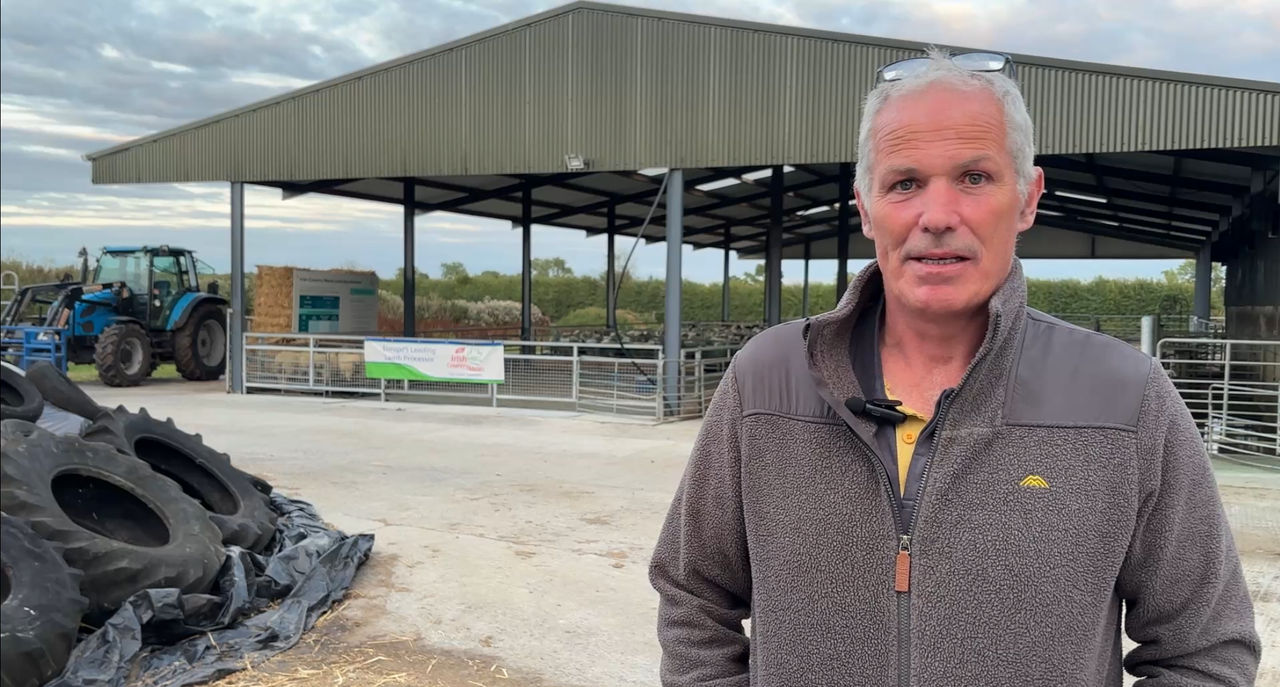
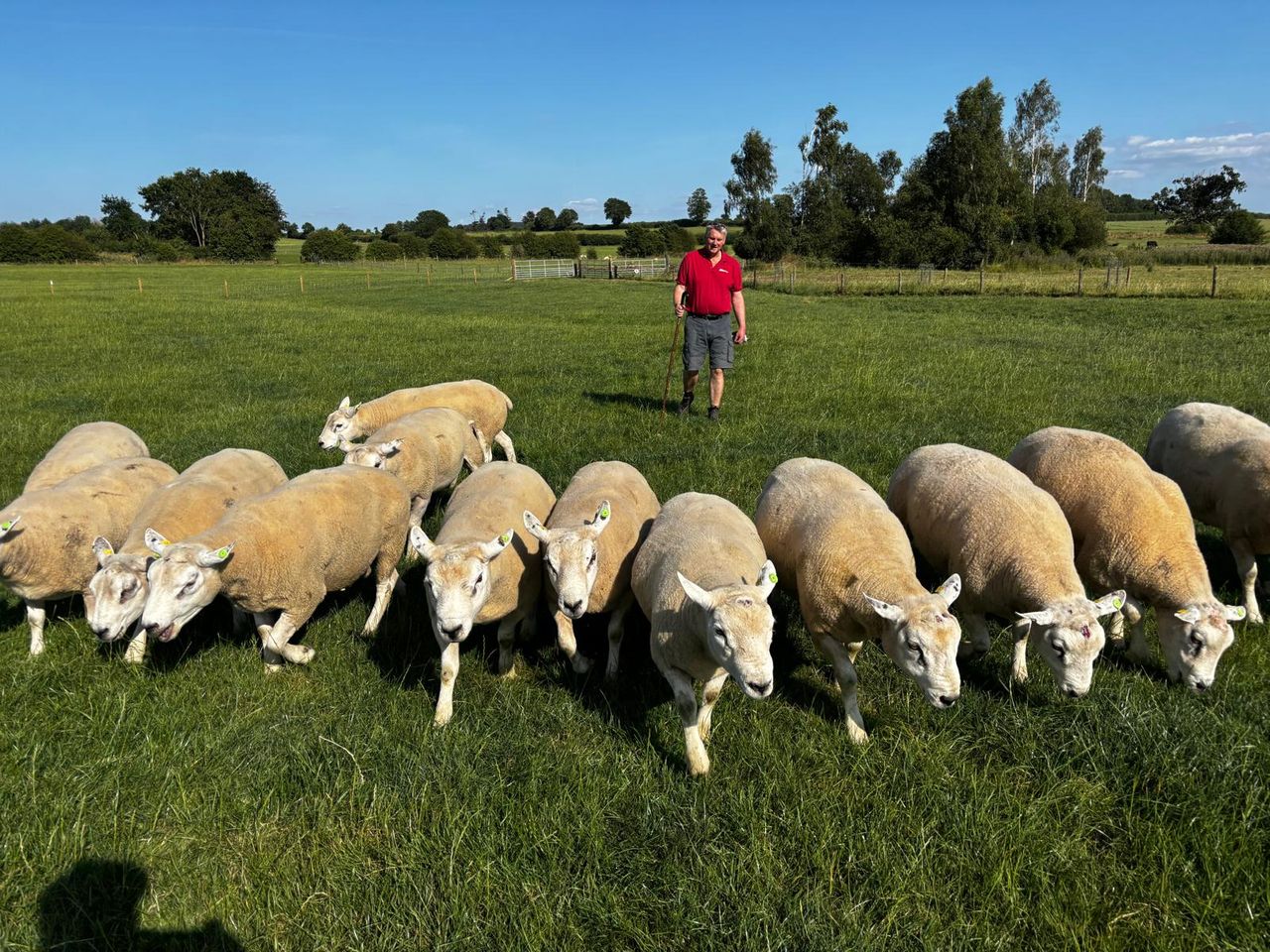
To understand the practical realities of protecting a flock, we spoke with William Hutchinson of Chapelizod farm, in Kells, Co. Kilkenny who recently made the decision to vaccinate his sheep against BTV-3.
His proactive approach offers valuable insights for farmers weighing their options this season.
Before you decided to vaccinate, how much of a worry was the threat of bluetongue to your farm?
We have been following the spread of BTV across Western Europe and into the UK over the last few years and are concerned about the implications for our flock health.
The discovery that bluetongue virus entered Ireland last autumn was not unexpected, but it definitely did increase our concerns regarding protecting our flock.
Rams are the genetic and financial powerhouse of any breeding flock. What went through your mind when deciding to prioritise your rams?
As a ram breeder, I took the decision to vaccinate our own stock rams and the shearling rams which we have for sale this year.
We decided to vaccinate in early May to allow for any mild temperature increase that might be seen after any vaccine administration to have long since passed and to have no negative impact on ram fertility.
We also got our vet to administer the vaccine so we could provide a certificate of vaccination for our customers to give them full reassurance.
It is important for us to provide our ram buyers with animals which we believe we have produced for sale in a good state of health.
Can you walk us through the practicalities of vaccination day? How easy was it to integrate into your routine?
Vaccination was very straightforward. We restrained each of the rams in our Cotter weigh crate to carry out the single subcutaneous shot of Syvazul BTV 3, using a 2ml automatic injector.
We confirmed and collected each ram's EID (electronic identification) as they were vaccinated to allow for certification.
We also were conscious of ensuring we had dry sheep on a dry day and frequently changed the needle to maintain hygiene and prevent any unwanted abscess formation at the injection site.
Did you notice any side effects post-vaccination?
We saw no visual side effects whatsoever from the vaccine.
They were shorn four weeks after vaccination and none had any visible lumps at the vaccination site.
Why is vaccinating the rest of your ewes and hoggets the next logical step?
The current high temperatures and easterly winds favour both the multiplication of any infected midges already on the island of Ireland, and also further the likelihood of windblown infected midges crossing the Irish sea.
It is also concerning to note the reports of the diagnosis of sheep with BTV in Staffordshire in recent weeks.
Hopefully having a fully vaccinated breeding flock for BTV will avert any fertility issues that might affect the 2027 lamb crop and avoid any clinical cases on farm.
Schmallenberg virus was not that many years ago and the memory of the impact that disease had on lamb crops lives on in the minds of many farmers.
We have an opportunity to protect our sheep flocks now prior to any significant bluetongue virus introduction.
At Chapelizod farm, we believe it is foolish not to avail of the vaccine before this autumn’s breeding season.
What is your advice to other farmers?
Hopefully in Ireland we will avoid the severe infection and losses encountered in Europe.
Vaccination is the best available insurance that flock owners can utilise to prevent such losses.
Practical, efficient protection with Syvazul BTV 3
As William Hutchinson rightly points out, vaccination is our best available insurance policy against the devastation of BTV-3.
Statistical modelling indicates that vaccinating 60-70% of livestock is critical for effective disease control across the region.1
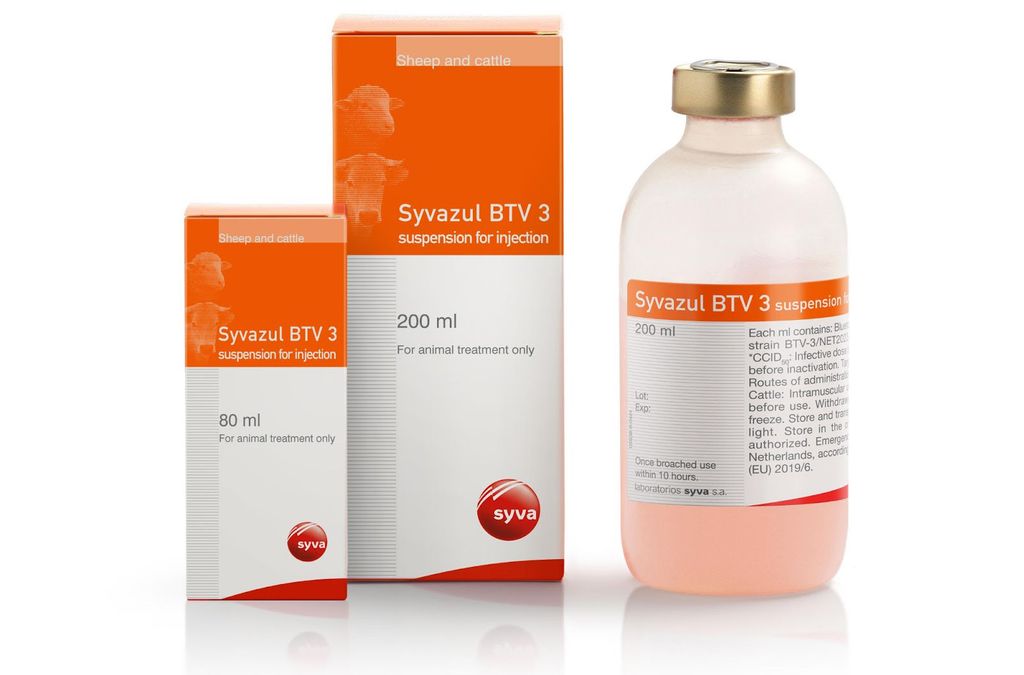
Syvazul BTV 3, an inactivated vaccine, is specifically formulated to provide targeted, robust protection against the BTV-3 strain.
It is designed to fit seamlessly into standard farm handling routines:
- For sheep: A single 2ml dose, administered subcutaneously. It provides active immunisation to reduce viraemia, clinical signs, lesions and mortality, with immunity established just four weeks after the dose.
- For cattle: A two-dose protocol of 2ml per dose, administered intramuscularly three weeks apart. It reduces viraemia, offering protection three weeks after the primary course is completed.
Crucially for commercial dairy and meat operations, Syvazul BTV 3 comes with a zero-day withdrawal period, meaning you will face absolutely no disruption to your production and sales schedules.
Safety data also confirms that it can be safely administered to both sheep and cattle during pregnancy and lactation, ensuring that you can protect your vulnerable ewes and cows without risking their current reproductive cycles
Take action today
The threat of BTV-3 is no longer a distant possibility; it is an active and spreading challenge in the UK and Ireland.
Waiting for clinical signs to appear in your herd or flock is too late.
Because vaccine-induced antibodies take several weeks to fully develop, establishing immunity ahead of peak disease challenge is the most effective way to safeguard your animals' welfare and your farm's financial stability.
Do not leave your livelihood to chance or changing winds.
Speak to your veterinary practitioner today about incorporating Syvazul BTV 3 into your immediate health plan, and take the necessary steps to secure your farm's future.
Syvazul BTV 3 suspension for injection for sheep and cattle contains inactivated antigen bluetongue virus, serotype 3 (BTV-3), strain BTV-3/NET2023 POMPrescription decisions are for the person issuing the prescription alone.Further information is available on the SPC from: Virbac (Ireland) Ltd, Bell House, Unit 58 Baldoyle Industrial Estate, Dublin, D13 E0W6Telephone: +44(0)1359 243243 Email: [email protected] Website: www.virbac.ieUse medicines responsibly www.apha.ie
- Szmaragd et al. PLoS One. 2010;5(2):9353. ↩︎
Sponsored by