Importance of wool to be debated in EU Parliament next week

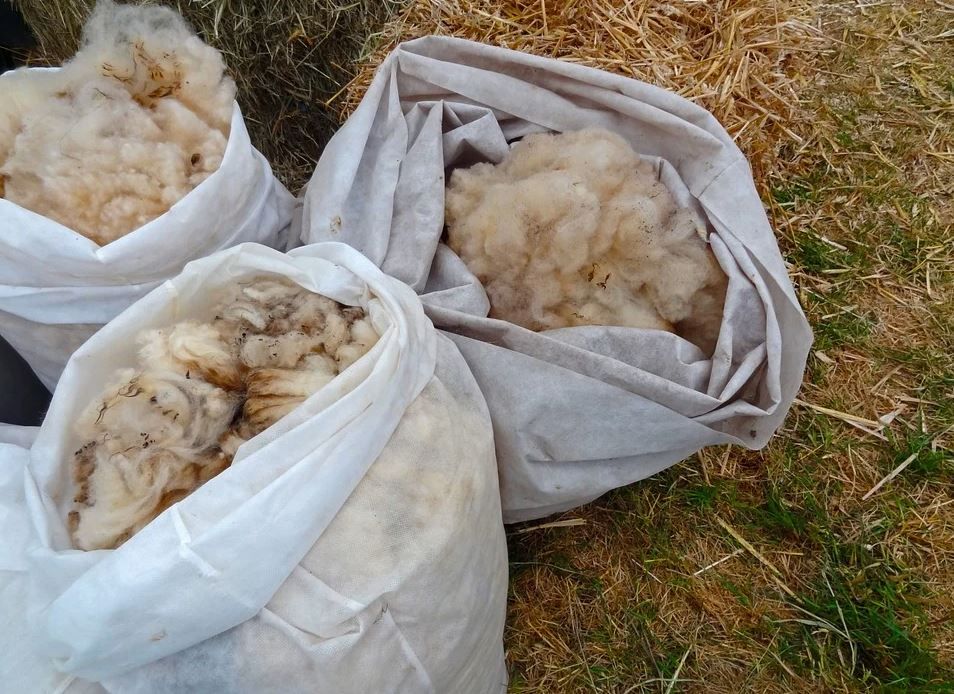
A debate will take place next week in the European Parliament on the value of wool as a viable output of the agri-sector.
Irish MEP Maria Walsh said the debate - to take place in a full sitting of the parliament - is part of an effort to remove EU-level rules that hold back the development of sheep's wool as an industry, and to allow farmers to better exploit its various uses.
Walsh said this would give farmers an additional source of income.
The Midlands North-West MEP said she has previously written to the European Commission seeking a reclassification of wool at a time when farmers face high input costs and environmental obligations.
"Wool is not waste; it is low-risk, biodegradable and an excellent source of fertiliser and insulation for use across the agriculture and construction sectors," Walsh said.
"Despite this, EU rules fail to recognise the true value of wool and therefore limit its use.
"Wool is currently classified as a waste product, falling into the same category as carcasses, blood and other animal by-products despite posing significantly lower risks," she added.
"The outdated classification means farmers are often forced to bear high costs of storing, cleaning or disposing of wool - rather than being able to use it productively on their own farms. This simply doesn’t make sense," Walsh said.
The Fine Gael MEP said that scheduling of the debate "is firm recognition of the importance of this issue to the agricultural sector".
"It allows us to bring the unfair classification to the attention of the entirety of the Parliament, and to increase pressure on the commission to finally change these outdated rules," she said.
Walsh called the debate "the next step" in her "campaign to reclassify wool".
"Earlier this year, I wrote to the European Commission requesting a common-sense approach. The commission must review the Animal By-Products Regulation and introduce a lower-risk category for wool, recognising it for what it is: a valuable agricultural resource and not a liability," she said.
"Following my request, we saw some progress emerge from the commission when they committed to reviewing the regulation in their Fertiliser Action Plan published in May," Walsh noted.
"I will use next week's debate on wool as an opportunity to keep the pressure on the commission and ensure [it] upholds [its] commitment, so ultimately Irish farmers can easily and freely use wool on their farms in a way that benefits their businesses and land," she said.