Opinion: Food commodity markets broke through a glass ceiling in 2025

The main lesson to be learnt from the last 12 months is the fact that commodity markets have, at long last, recognised the reality of what it actually costs to produce high quality food.
For years, farm gate returns had languished at values that were lightyears from where they should have been in terms of recognising the true needs of farmers.
But so much for the history lesson.
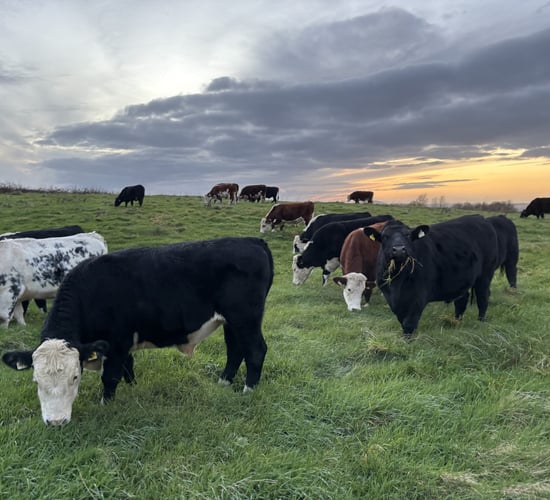
Fast forward and beef prices are currently sitting at values which would have been deemed unattainable even 18 months ago.
Meanwhile milk returns for most of 2025 were never stronger.
And, just for good measure, returns within the sheep, poultry and pig sectors have been extremely spry for most of the past 18 months.
Cereals
This just leaves the cereals’ sector, where international markets have been languishing at very insipid levels for the past year and more.
But even here, evidence can be found of just how well markets can respond when all the stars align.
Tillage farmers, no doubt, can well remember the prices available to them back in 2022.
And, hopefully, it will not be long before international grain markets bounce back accordingly.
Consumers and prices
But there is a general theme that can be discerned from all of these trends.
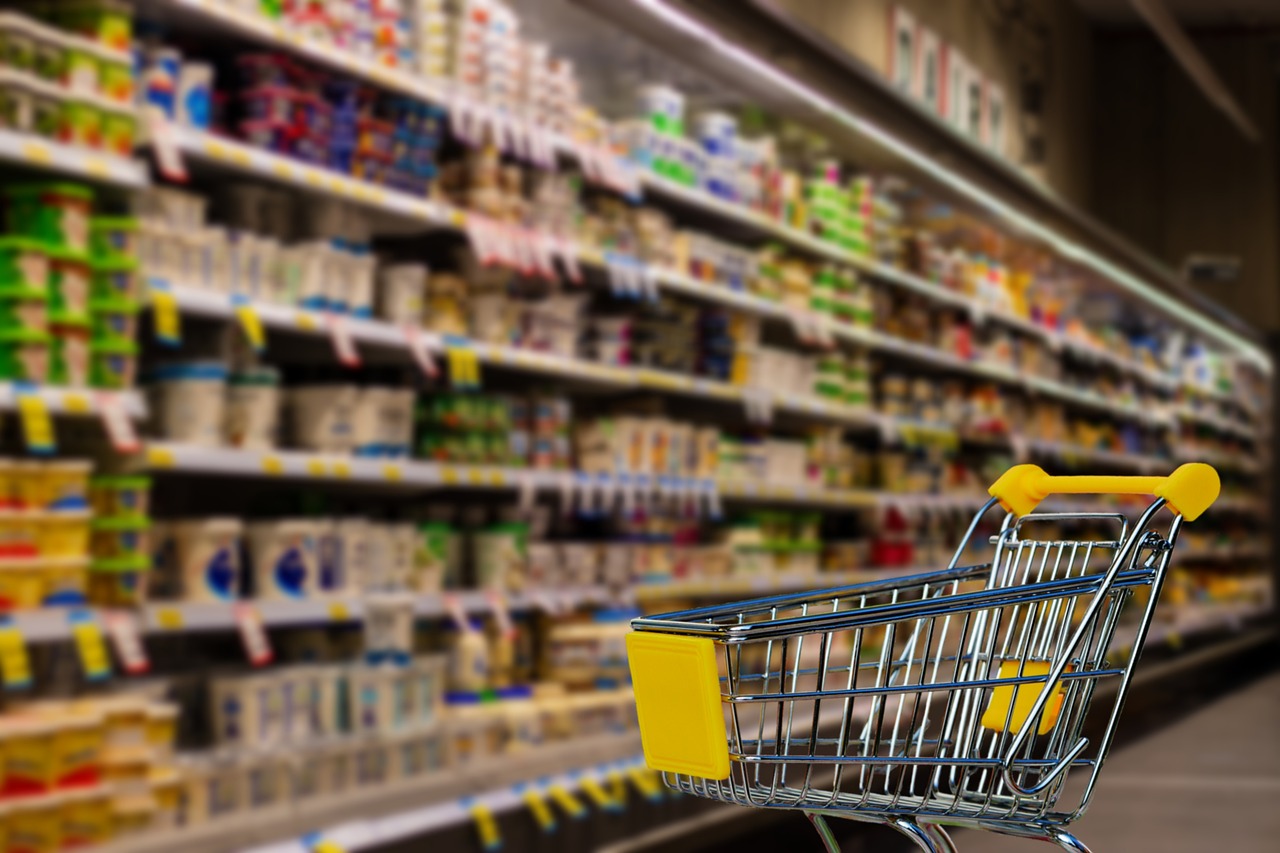
And it is this: consumers are prepared to pay realistic prices for food when they realise they have to.
So, in reality, the hackneyed perspectives given to us by so many analysts in the past to the effect that consumers will only pay so much for food and drink is for the birds.
And it does not take much of a delve into the history books to find out the true reality, where consumer spending thinking on food prices is concerned.
Back in the 1960s, families spent almost 30% of their total income on food purchases.
Today, the equivalent figure is around 5%.

The Holy Grail for farmers has always been that of getting the general public to pay realistic prices for the food they eat.
So let’s say that average consumer spend on food and drink rose from 5% to 10% on an annual basis.
It is hardly an increase that is going to put vast millions of people around the world spiralling into poverty.
However, it would make a more than tangible difference to the annual incomes secured by Irish farming businesses.
So this is the real challenge ahead as Irish farming looks towards 2026 and beyond: putting in place more effective communications strategies that really resonate with consumers - both here and abroad.
Brussels
And here is another thought. Brussels’ commitment to production agriculture is fast ebbing.
We are now at the stage where simply retaining CAP budgets from one review period to the next is regarded as a victory.
The real challenge for farming into the future is that of farmers getting consumers onside in ways that work effectively for all parties concerned.