Operator registration required for on-farm drone flights

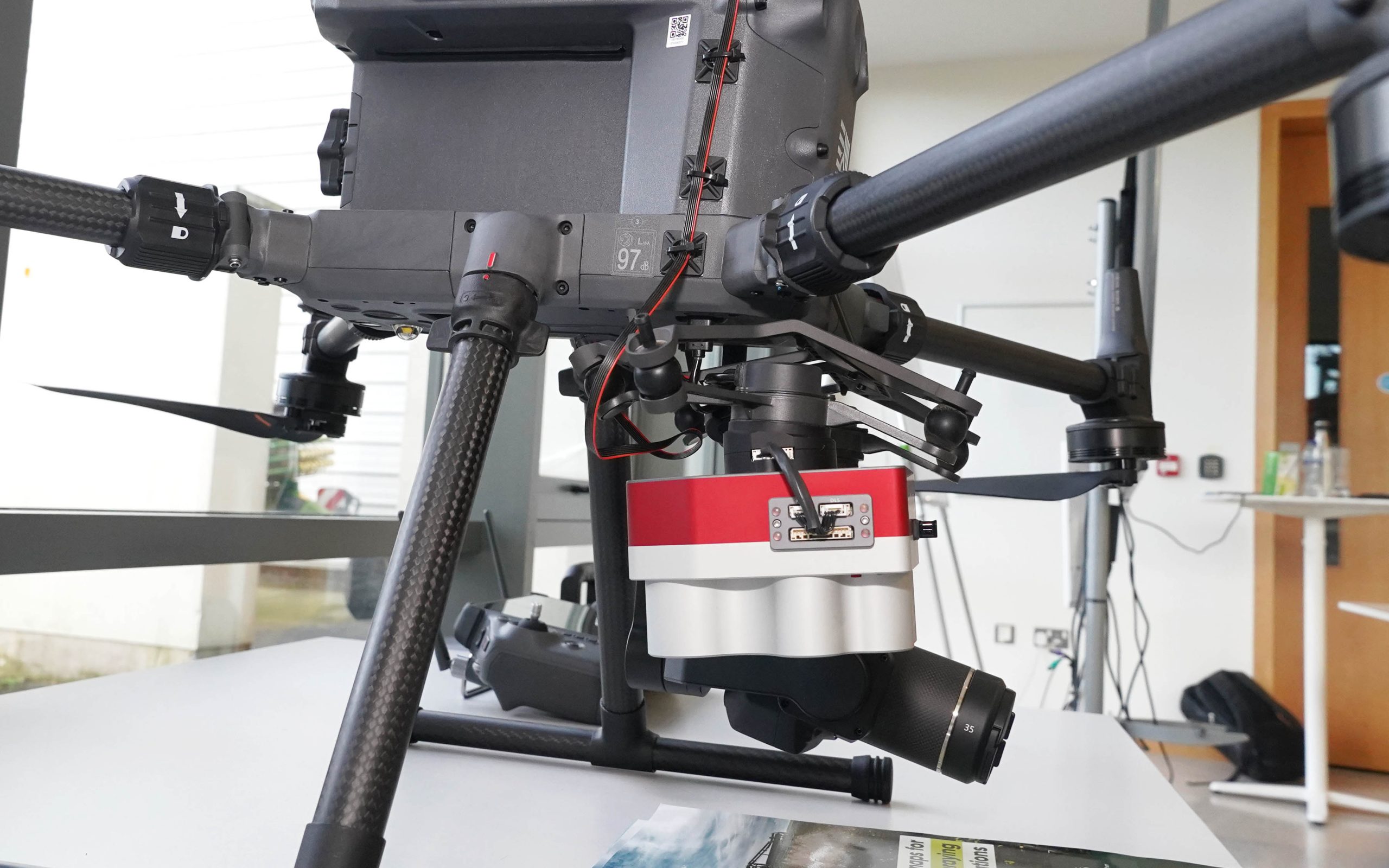
Drones have become the centre of much attention over the last couple of years.
In the great debate over automation, robots and autonomy, little notice was taken of drones amongst the avalanche of new machines that were intended to chase the tractor from the field.
Yet now they are coming into their own, with much talk of their general utility, although it is not entirely clear how they will be best deployed here in Ireland.
There are many proposals for how they may be used but, so far, operations in the field appear to be limited.
Although there appears to be some potential in daily farming operations, the restrictions put upon their use by expense, complexity, and legislation could well limit their deployment.
The legislation trap
Drones are officially referred to as unmanned aerial systems (UAS) and their operation comes under the aegis of the Irish Aviation Authority (IAA), which is responsible for ensuring their safe and proper use.
The regulations have been drawn up by the European Union Aviation Safety Agency (EUASA) and are applicable throughout the EU, allowing an operator to use drones throughout Europe.
The first restriction placed upon them is that if you own or fly a drone over 250g, or if it has a camera and/or microphone fitted, you are legally required to register as an operator with the IAA.
To all intents and purposes, this means that anyone intending to operate a drone that is not designated a toy by its manufacturer needs to be registered as an operator, regardless of the purpose it is to be used for.
Training video
To register, the applicant is required to undertake some basic training in the form of a 15-minute video and a 40-question exam, all done online.
Once this has been completed and the operator registered, then they may be generally free to fly a drone of up to 900g without further training or restriction.
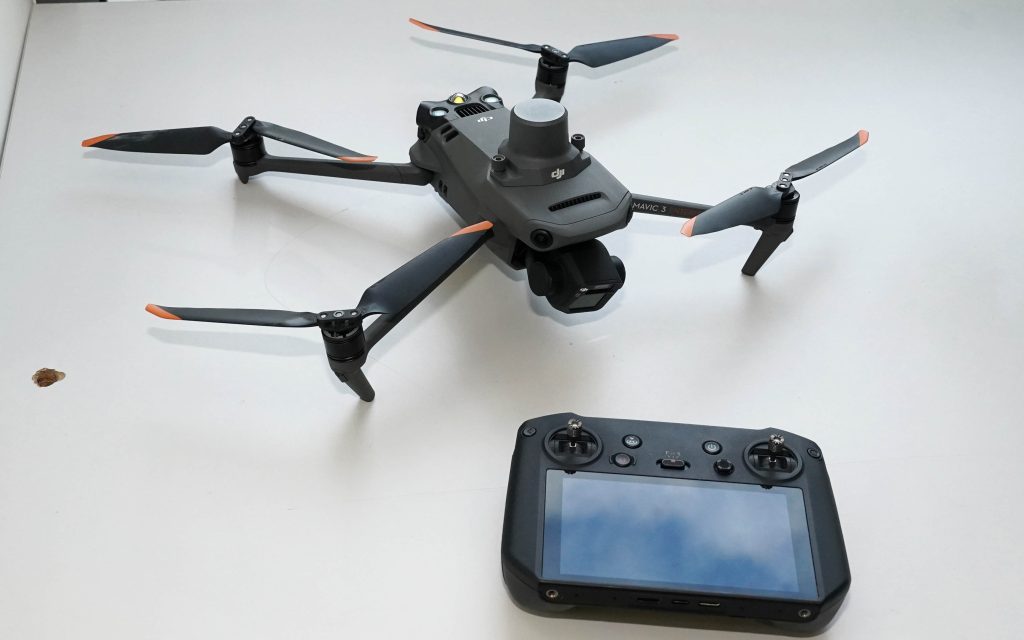
This is termed the A1 category of the basic 'open' level of operation. There are two more classes of drone at this level, A2 and A3, the latter not weighing more than 25kg.
Yet it is not quite so black and white, for other restrictions may apply, such as whether the the craft is to be flown over crowds or built-up areas.
The farm drone
The majority of drones used on farms - for assessment of crops or the inspection of buildings, etc - will fall into the A1 category, and this registration will allow them to be used for these simple purposes.
However, it should be noted that general limits still apply as to where they may be flown, such as within the circling pattern of airports or over hospitals and prisons.
It is worth noting on this point that each member state is free to set its own list of no-fly zones, so operators working outside of Ireland will need to check the local regulations.
The right to privacy and regulations on data protection also need to be observed by operators of drones that carry a sensor capable of recording personal data, which is why operators of drones fitted with cameras and microphones need to registered irrespective of the drone's weight.
Further division
Beyond the Open category, there are two further operating categories - 'specific' and 'certified'.
Specific operation involves medium-risk operations which require IAA authorisation, based on a risk assessment.
Flying beyond visual line of sight would be one such example, and extra training is required for these operations.
Certified operation is the ultimate step, and this would include the carrying of passengers, an activity that will require a qualified pilot to be at the controls.
This rules out the dream of air taxis buzzing us around the countryside for the foreseeable future.
Beyond cameras
Yet drones have a far wider gamut of tasks beyond field assessment outside of the EU, where they are used for the application of fertilisers and pesticides.
Such activities contravene the EU-wide ban on aerial spraying, other than when no alternative method is practicable.
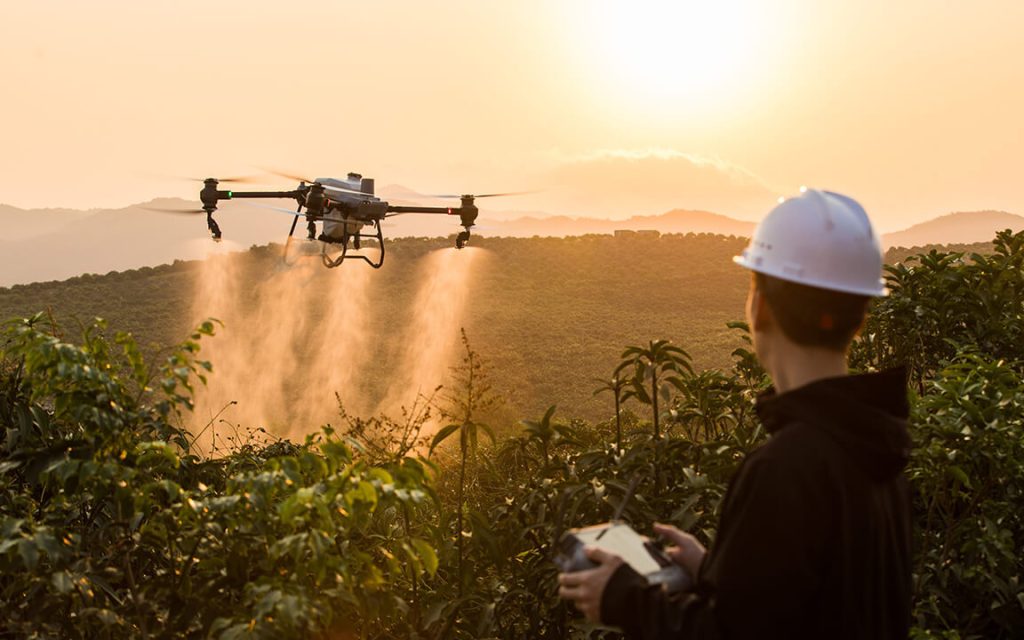
This immediately precludes spray and fertiliser application, as does the requirement that no dangerous or hazardous materials are carried by an UAS.
There are plenty who would argue that pesticides are just that.
Other plans for drones may also be stymied by the regulations. Over in Germany, EXAgT GmbH has joined forces with Dresden University to develop flocks of drones gathering data on individual plants in a crop.
Quite how this could comply with the principle of one drone, one operator, as inferred in the EU legislation, is an open question, and the data storage requirements are likely to be prohibitive anyway.
In brief for farmers
If intending to fly a lightweight drone with a standard RGB (digital) camera, then the operator needs to register with the IAA as a first step.
If using a more sophisticated camera(s), including an infrared sensor, then the drone weight may rise above 900g and further training is likely to be required.
Using a drone for the aerial treatment of crops is subject to the same regulations as apply to normal aircraft, and is prohibited unless under special circumstances.
Drones may have become a hot topic of late in the world of digital agriculture, but we are a long way from seeing them displace the tractor, as may be happening elsewhere in the world.