NZ red meat sector aims to grow exports to $23bn by 2035

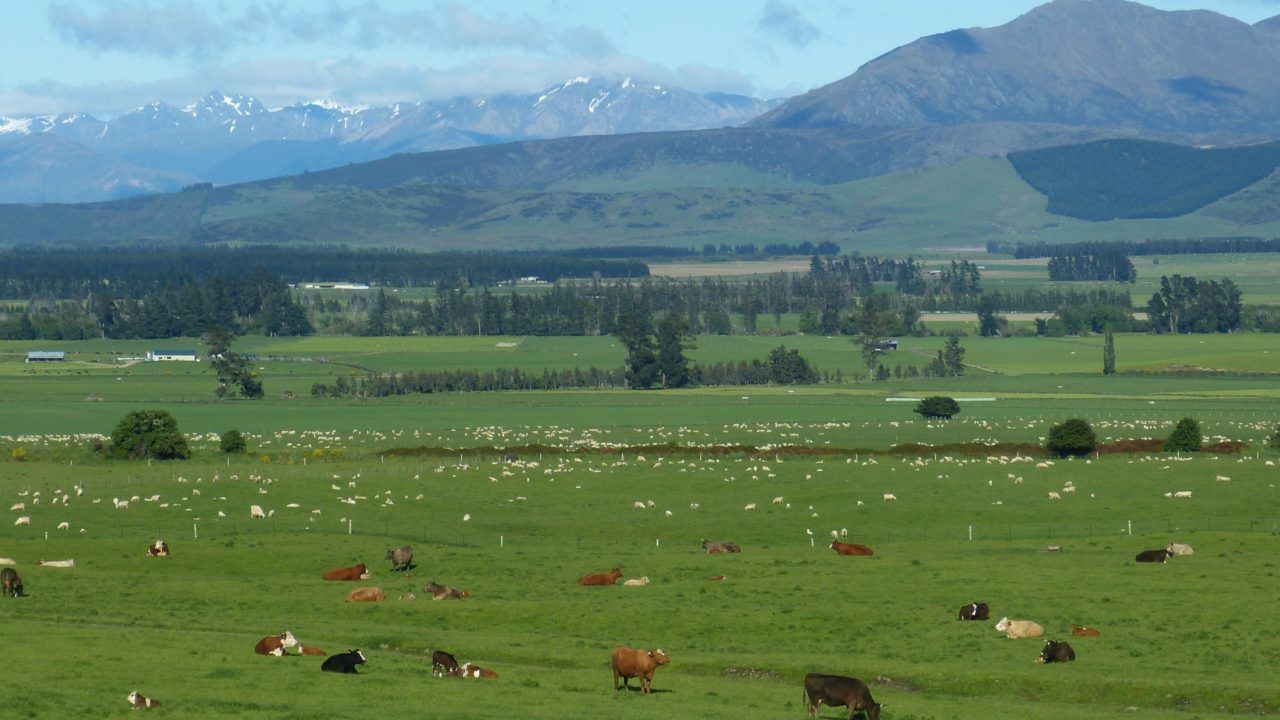
Beef + Lamb New Zealand (B+LNZ) is aiming to grow the export value of New Zealand's red meat sector to NZ$23 billion by 2035.
The target comes as new research shows that New Zealand’s red meat sector generates NZ$48.7 billion in spending across the country's economy each year and supports one in every 20 jobs.
The study found the sector contributes NZ$17.5 billion a year to New Zealand’s gross domestic product (GDP) and provides a total of 120,580 full-time equivalent jobs.
The research, commissioned by B+LNZ and the Meat Industry Association (MIA), is the first full measure of the sector’s economic and social contribution since 2020.
Red meat sector
New Zealand's red meat sector currently generates NZ$12.8 billion in export earnings annually.
The study outlines that this has "a powerful multiplier effect" which sees NZ$133 million a day being spent across New Zealand.
"This research confirms the red meat sector is an economic powerhouse for New Zealand, making a vital contribution to jobs, communities and the wider economy well beyond the farm gate,” Kate Acland, B+LNZ chair, said.
"On average, our farmers and processors spend NZ$64 million a day in communities and industries across New Zealand.
“When indirect impacts are included, that rises to NZ$133 million a day flowing through the New Zealand economy.
“That spending supports thousands of businesses and the jobs they provide, and helps underpin the tax revenue and economic stability that benefits the whole country.
“This is something farmer and red meat exporters can be very proud of," she added.
Employment
The red meat sector in New Zealand directly employs 48,250 full-time equivalent workers, with another 72,330 jobs supported through supply chains and household spending.
MIA independent chair Nathan Guy said that the research found every NZ$1 million of direct expenditure in the sector supports around five jobs across the wider economy in 2025.
“Maori and Pacific people form an important part of the sector’s workforce.
"Of the 42,000 individuals directly employed in New Zealand’s red meat sector, 25% (10,578) are Maori and 11% (4,788) are Pacific people," he said.
The Maori and Pacific workforce also accounts for 56% of those working in the red meat sector aged from 15-29 years.
Exports
Guy added that the red meat sector is determined to grow its contribution to New Zealand even further.
"Despite the high degree of uncertainty we face over geopolitical risks like the conflict in the Middle East, there is strong demand for the natural high-quality protein our sector produces.
"New Zealand farmers and exporters are experts at delivering what our global customers want," he said.
B+LNZ’s vision is for the sector’s export value to grow to as much as NZ$23 billion by 2035.
Kate Acland says New Zealand will continue to depend on export returns from high-value sustainably produced food exports.
"The insights shared in this report will inform decision-making and help unlock further potential within the red meat sector.
"When the sector is doing well, New Zealand benefits – not just this season, but well into the future," she said.