Analysis: China to reshape global trade flows for beef

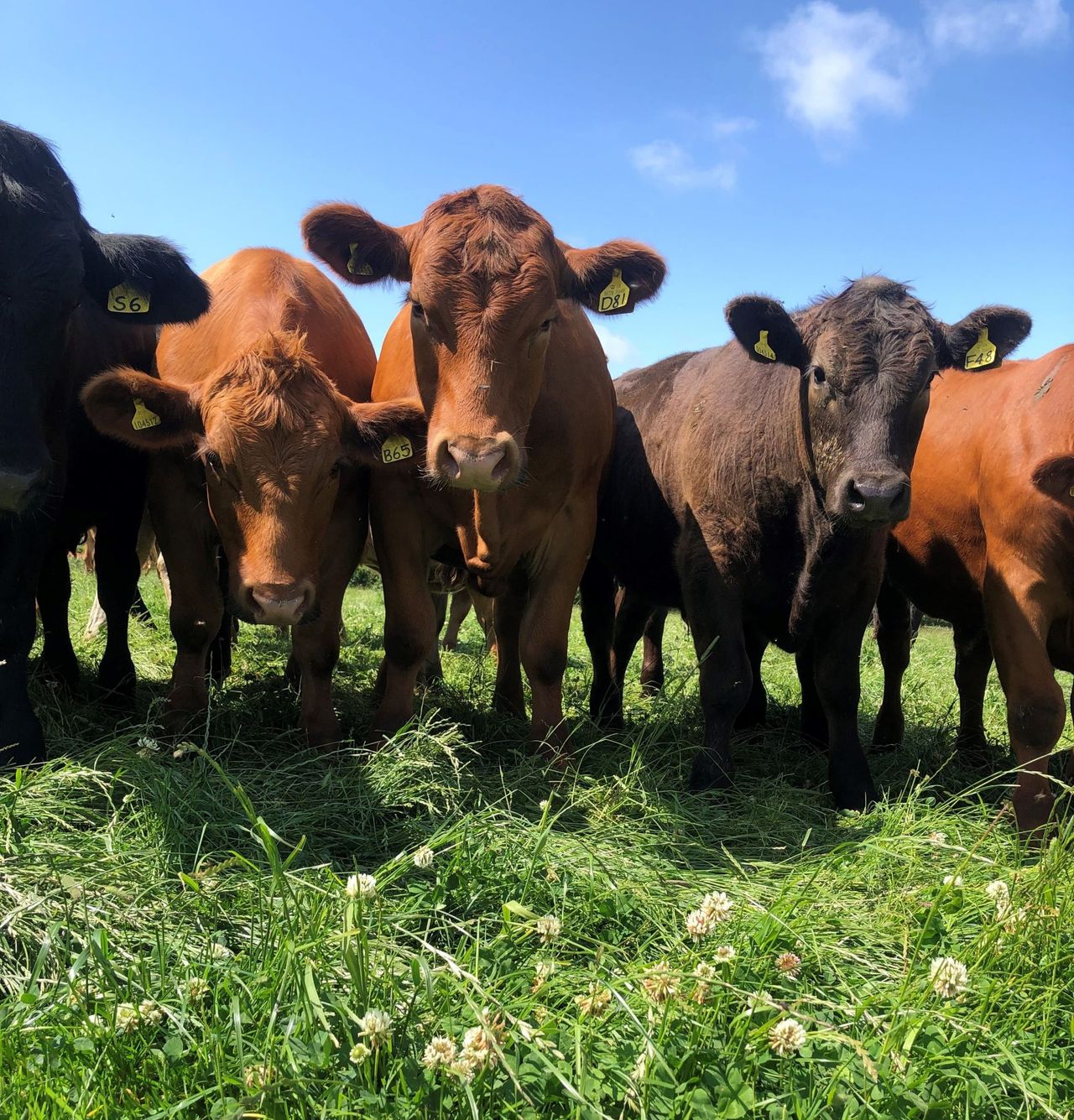
China could reshape trade flows for beef globally according to a market research organisation.
DCA Market Intelligence has said that the global beef market is entering a new phase, as the world marks International Meat Day, today (Monday, June 8).
DCA Market Intelligence closely monitors developments in global food and agricultural commodity markets.
Tight cattle supplies in the EU and US support import demand, while Brazil and Australia expand export availability, the research indicated.
However, Chinese import quotas are beginning to reshape trade flows, increasing competition and potentially changing the balance of the global beef market.
European beef prices followed an upward trend through 2025 and into early 2026, according to DCA Market Intelligence.
Young bull prices increased by 32% between 2024 and 2026 (year-to-date (YTD)), while cow prices rose by 39.5%.
Both markets peaked around week nine of 2026, reaching €737,12 per 100kg for young bulls and €622,79 per 100kg for cows, before declining by 10.9% and 5%, respectively.
The correction reflects weaker consumer demand, particularly in northern Europe, while cow prices remained comparatively more resilient.
In the international beef market, price trends diverge, according to the research report.
North American prices remained at significantly higher levels, particularly the US and Canada, while South American prices are more competitive.
Brazilian cattle prices remained the most competitive among the major exporters, followed by Paraguay, while Australian prices followed a firmer upward trend during the second half of 2025.
EU and US imports
From a supply perspective, both the EU and US cattle herds have been declining, reinforcing concerns around long-term beef availability, according to the report.
The contraction has been more pronounced in the US, where cattle inventories declined by 9.6% over the last five years, compared to a 5.5% reduction in Europe.
Although herd sizes remain historically tight, the pace of decline slowed in 2025, with US inventories totaling 27.89 million head (-0.4% YoY) and the EU herd at 71.53 million head (-0.5% YoY).
As a result, both markets are becoming increasingly reliant on imports, and in the US this trend is further reinforced by resilient beef demand despite historically high prices.
Trade flows
When looking at trade flows, as of January 2026, intra- and extra-EU exports declined by 7.9% and 15.5%, respectively, while extra-EU imports increased by 25.9% to 32,794t.
Import growth came particularly from South American suppliers, with imports from Brazil increasing by 58.8%, followed by Uruguay (+47.9%) and Argentina (+6%), a trend that could further intensify following the Mercosur agreement, according to DCA MI.
A similar pattern is visible in the US, where exports declined by 24.4% as of February 2026 to 164,808t, while imports increased by 17.3% to 325,661t.
Australia remained the main beef supplier, although imports from Brazil increased significantly to 57,390t (+45.3%), alongside strong growth from Uruguay (+22%), Argentina (+127.1%), Nicaragua and Paraguay.
Brazil and Australia
Among the major global beef exporters, Brazil continues to strengthen its position, supported by expanding cattle supply, according to DCA MI.
Cattle slaughter reached 42.9 million head in 2025 (+8.2% YoY), while carcass output increased by 7.2% to 11.1 million tonnes.
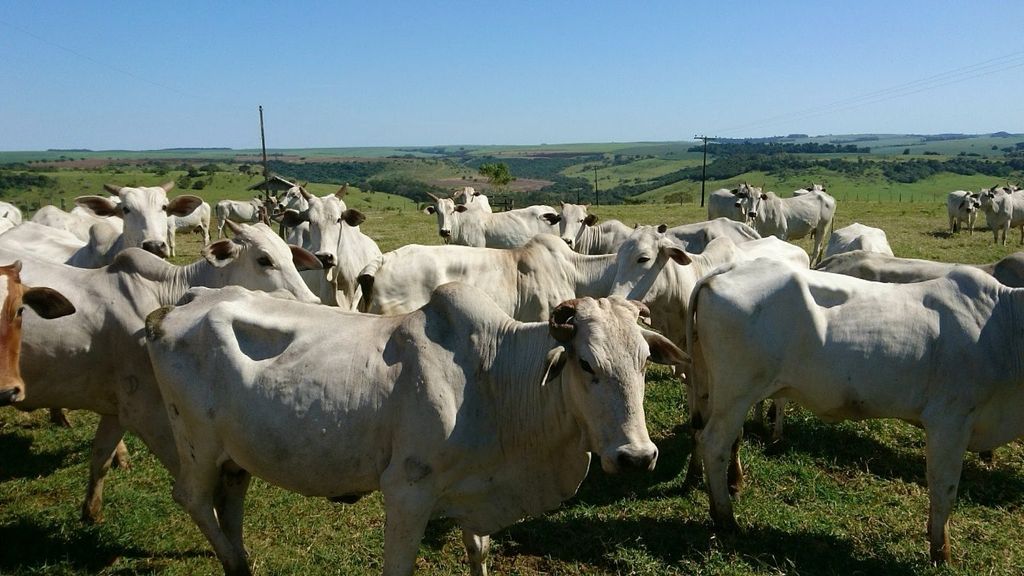
As of April 2026, exports continue to break records (+15.2% YTD), driven by stronger shipments to China (+19.3%), the US (+12.5%), Chile (+25.1%) and Russia (+57.4%), while exports to Saudi Arabia and Israel declined amid ongoing geopolitical tensions.
Australia also expanded its role in global beef trade.
As of March 2026, export volumes increased by 19.5% to 391,893t, driven by higher shipments to the US (+20.5%), China (+35.2%) and Korea (+33.4%).
The strong export performance was supported by elevated slaughter rates, despite flooding and wet weather conditions in Queensland temporarily disrupting processing capacity.
China
The direction of export flows may soon change as Chinese import quotas begin to alter global trade flows, according to the research.
Brazil's quota is set at 1.1 million tonnes, with around 65% already utilised and expectations that it could be fully consumed by July.
Australia faces a similar situation, with around 90% of its quota filled as of June.
Brazil has more at stake than Australia, given its greater dependence on the Chinese market, while Australia maintains access to alternative destinations such as Japan, South Korea and the US.
Chinese buyers have also already started diversifying their sourcing strategies, increasing purchases of grain-fed beef from Canada and grass-fed beef from Argentina and Uruguay.
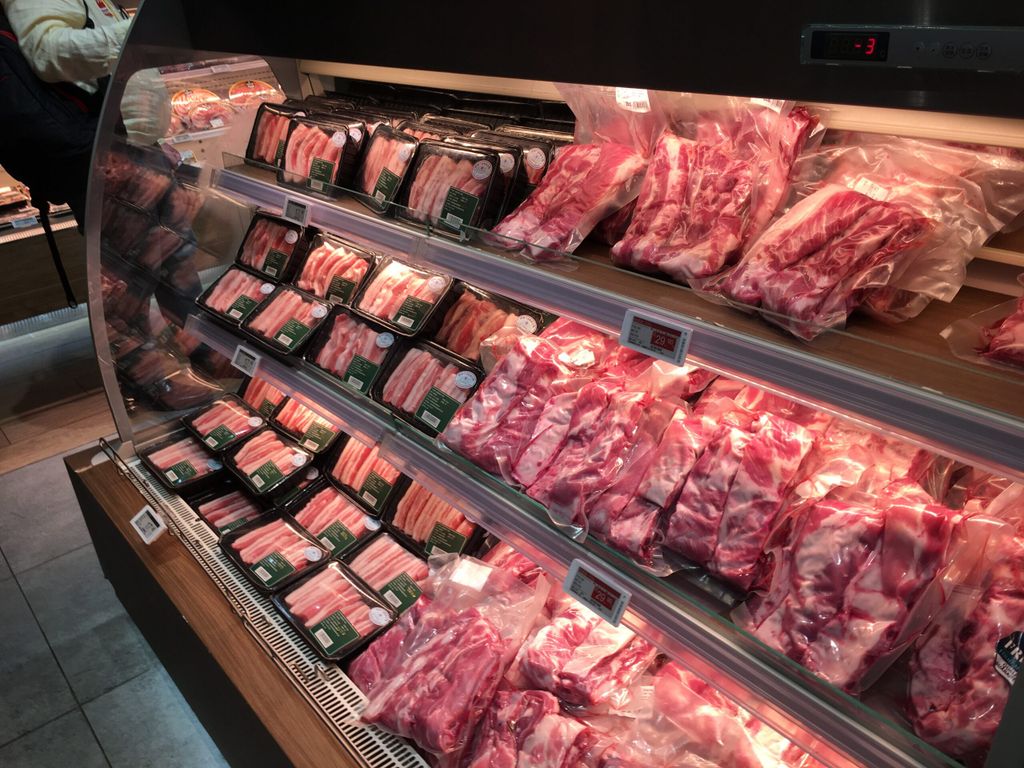
In response, both Brazil and Australia lobby for quota adjustments, and expectations of weaker Chinese demand have already started to weigh on Brazilian cattle prices, which declined by around 4% from their mid-April peak to BRL 352.3 per 15kg in early June.
According to the analysts, the US appears as a logical destination for redirected beef volumes, although uncertainty surrounding American trade policy adds complexity.
The Trump administration in the US has indicated it may temporarily ease import restrictions to address rising domestic prices, potentially improving access for suppliers, particularly Brazil.
Even before policy changes have been implemented, market sentiment has already been affected, with American importers lowering bids and becoming more cautious in anticipation of potentially cheaper imports.
Outlook for beef
As beef volumes seek alternative destinations, competition among exporters is expected to intensify.
Brazil's competitive pricing position could place further pressure on suppliers, particularly in the US market.
At the same time, the impact of these shifting trade flows may also benefit Europe through increased South American beef availability and improved import competitiveness at a time when domestic cattle supplies are constrained.
Meanwhile, buyers in Japan are already delaying purchases in anticipation of greater availability and lower prices, while Korea faces its own tariff constraints and exporters increasingly look towards alternative destinations.
As a result, a correction in global beef prices may have already begun according to the market intelligence agency, as volumes traditionally destined for China increasingly compete for market share in other regions.