Call for CAP funding for farmers impacted by designations

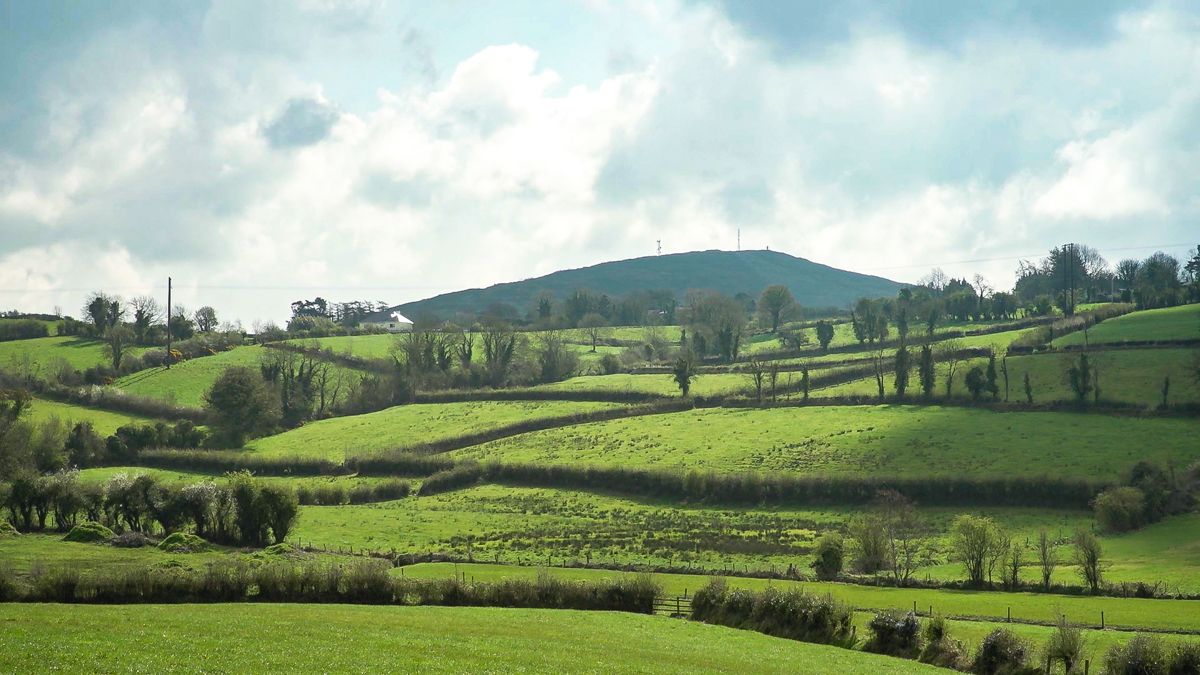
The Irish Natura and Hill Farmers' Association (INHFA) is calling for funding under the new Common Agricultural Policy (CAP) programme for farmers impacted by land designations.
INHFA president Pheilim Molloy explained that designations imposed through the nature directives “have impacted income and increased cost for the estimated 35,000 farmers since they were first introduced in the mid-1990s”.
The designations, which the INHFA said are covered under special areas of conservation(SACs) and special protected areas(SPAs), have "cost farmers and landowners millions each year".
“While legislators and government officials have often provided sympathy and in some instances a promise to address this, neither sympathy nor false promises will put bread on the table,” Molloy said.
The farm leader stressed: “It is vital that this injustice is finally addressed and Article 9 of the draft CAP regulation allows for this.”
According to the INHFA, this article provides support for disadvantages resulting from certain mandatory requirements and allows member states to provide area-based support in agriculture for disadvantages from the implementation of EU Council Directive.
"This covers support for baseline costs incurred through the SAC and SPA land designations," Molloy added.
"Point 3 of this Article further clarifies the basis for payment stating that payments can be made to compensate beneficiaries for all or part of the additional costs and income forgone related to the compliance with mandatory requirements resulting from its implementation.
"For farmers with designated lands, there is a clear route to now cover any costs they may have incurred such as planning permission for fencing or other costs as a result of complying with any of the 38 activities requiring consent (ARCs) while also covering any loss of income as a result of complying with the designation.”
The hill farmers' organisation explained that this is different to previous payments made in-lieu of designations under schemes such as Rural Environment Protection Scheme (REPS) or Agri-Environment Options Scheme (AEOS).
"Payments were made not on the baseline costs, but were based on the completion of actions that were deemed to improve the habitat thus supporting the designation," Molloy said.
"The [agriculture] minister and government should no longer ignore the legitimate case farmers on designated lands have for a payment in recognition of the enormous burden imposed on them and this needs to be in the CAP programme to address it.”