Now is the time to soil test on tillage farms

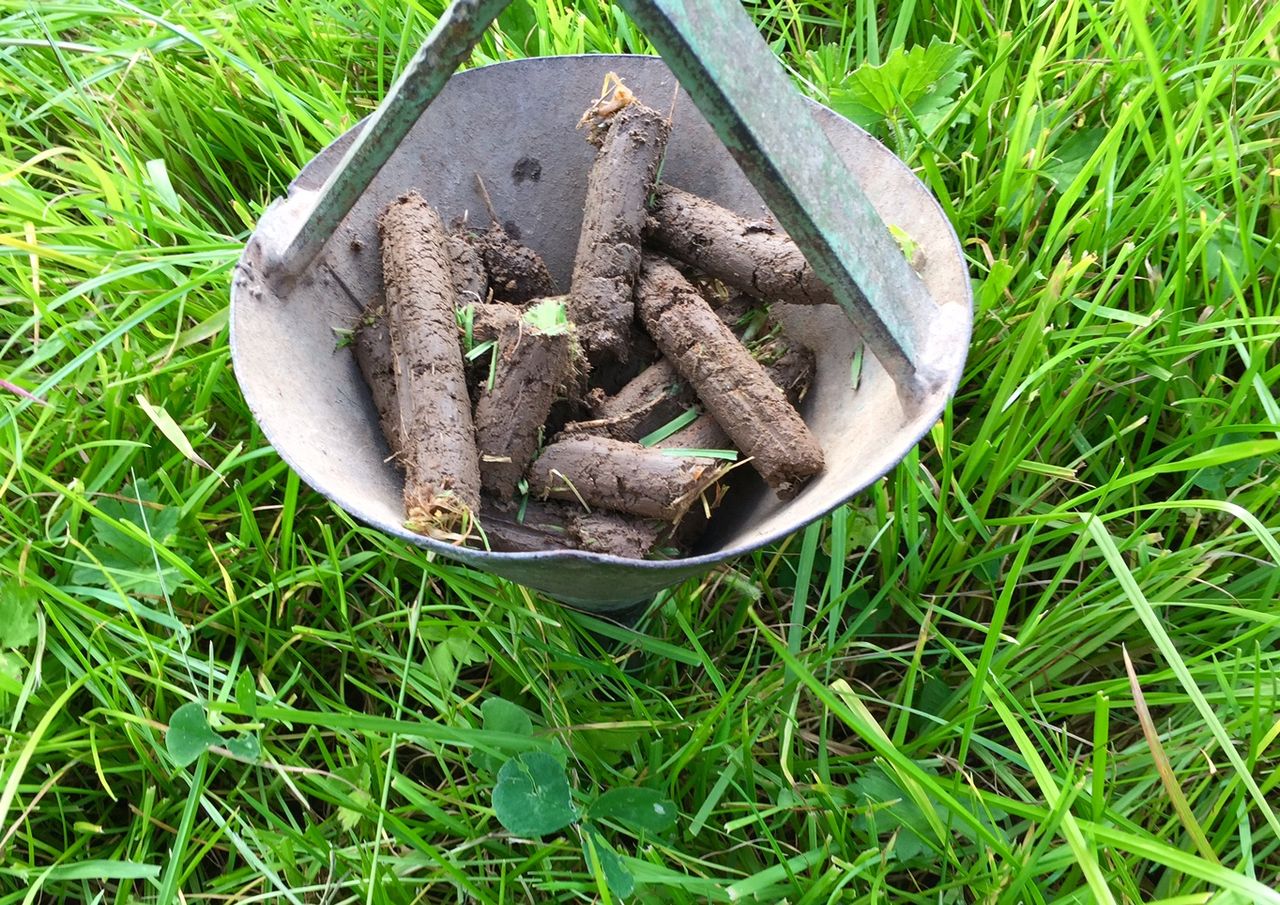
Early autumn should be used as a priority period to soil test on tillage farms, Teagasc has advised.
After a difficult growing year, with drought putting pressure on grass and cereal crops, autumn is a good time to take stock of soil fertility and identify which fields need to be sampled in preparation for 2027.
Soil sampling provides a field-by-field picture of soil pH, phosphorus (P) and potassium (K), helping to target lime and fertiliser where they are needed and avoid applications where they are not.
For nutrient planning purposes, soil test results are valid for four years. Farmers should check now for samples that have expired or need to be renewed for 2027.
Using out-of-date results can give a misleading picture of soil fertility and lead to poor nutrient management decisions.
There is also an important regulatory reason to have valid soil samples.
Farms with a grassland stocking rate above 130kg organic N/ha, and land growing cereal crops, cannot apply chemical P fertiliser where valid soil test results are not available.
Affected farmers should ensure the relevant areas are sampled to establish a P allowance for 2027.
Lime
Soil pH should be one of the first things considered when soil test results come back.
Lime improves nutrient availability and helps crops make better use of applied fertiliser.
Teagasc research has shown an average grass production response of around 1.5t DM/ha from lime alone, with an estimated return of €6–€10 for every €1 invested.
On tillage farms, an average cereal grain response of at least 1.5t/ha has also been recorded.
With fertiliser transactions now recorded through the National Fertiliser Database, it is more important than ever that farmers know their fertiliser allowances and keep track of fertiliser use to ensure these limits are not exceeded.
An up-to-date soil test will help ensure that lime and fertiliser decisions for 2027 are based on what each field actually needs, supporting production while avoiding unnecessary expense.
Soil fertility
Soil fertility is a key factor in sustainable agriculture and ecosystem health, as it determines the soil’s ability to supply essential nutrients, water, and support for plant growth.
Maintaining balanced soil fertility and pH supports healthy crop growth, improves soil health, enhances carbon storage, and reduces input costs.
It also supports essential soil functions such as nitrogen fixation and residue breakdown, which are vital for long-term productivity and environmental sustainability.