New training project to equip farmers and vets for climate challenges

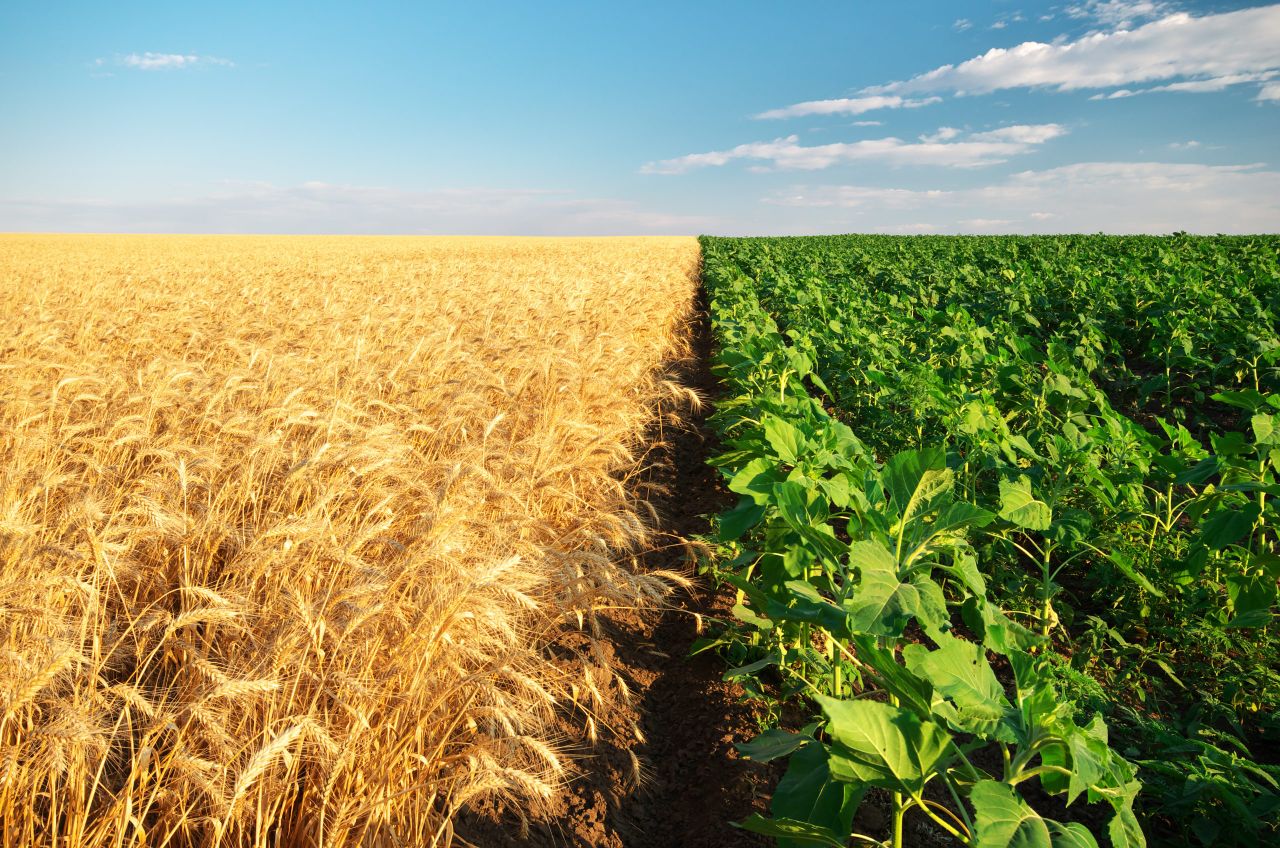
The droughts and fires across Europe this summer led many to ask how the next generation of farmers, veterinarians and other agri-professionals can be better prepared for climate change.
This is the focus of new digitial training now being developed as part of an EU education project.
This initiative will create an online learning platform designed to help agricultural professionals build practical knowledge and skills for a changing climate.
Areas covered will include sustainable farming practices, responsible antibiotic use, herd health management, and climate adaptation.
The project, AGRIMED C (AGRIculture Management EDucation Towards Climate resilience) was launched in October 2025.
It is part of Erasmus+, the European Union’s funding programme to support education and training in Europe.
Since AGRIMED C was set up in October last year, project partners reviewed European and national agricultural and veterinary practices, regulations, and existing educational opportunities.
They have also working with stakeholders to identify the knowledge and skills that should be reflected in the future training.
This work will inform the development of the project’s digital training, so it reflects both scientific knowledge and the practical needs of agricultural professionals.
Emerging challenges
According to the project organisers, climate change is creating new challenges for agriculture and animal health, while agriculture itself contributes to greenhouse gas emissions.
AGRIMED C aims to help future farmers and veterinarians respond to these interconnected challenges through practical training grounded in European and national practices and regulations.
The project also takes a One Health approach, which recognises the connections between human, animal and environmental health.
AGRIMED C project coordinator, Theodoros Ntallaris said: “Climate change, animal health and antimicrobial resistance are interconnected challenges that future agricultural professionals will increasingly need to manage.
“Through AGRIMED C, we want to turn this knowledge into practical, accessible training that farmers and veterinarians can apply in their everyday work.”