New strategy aims to make bioeconomy key to rural regeneration
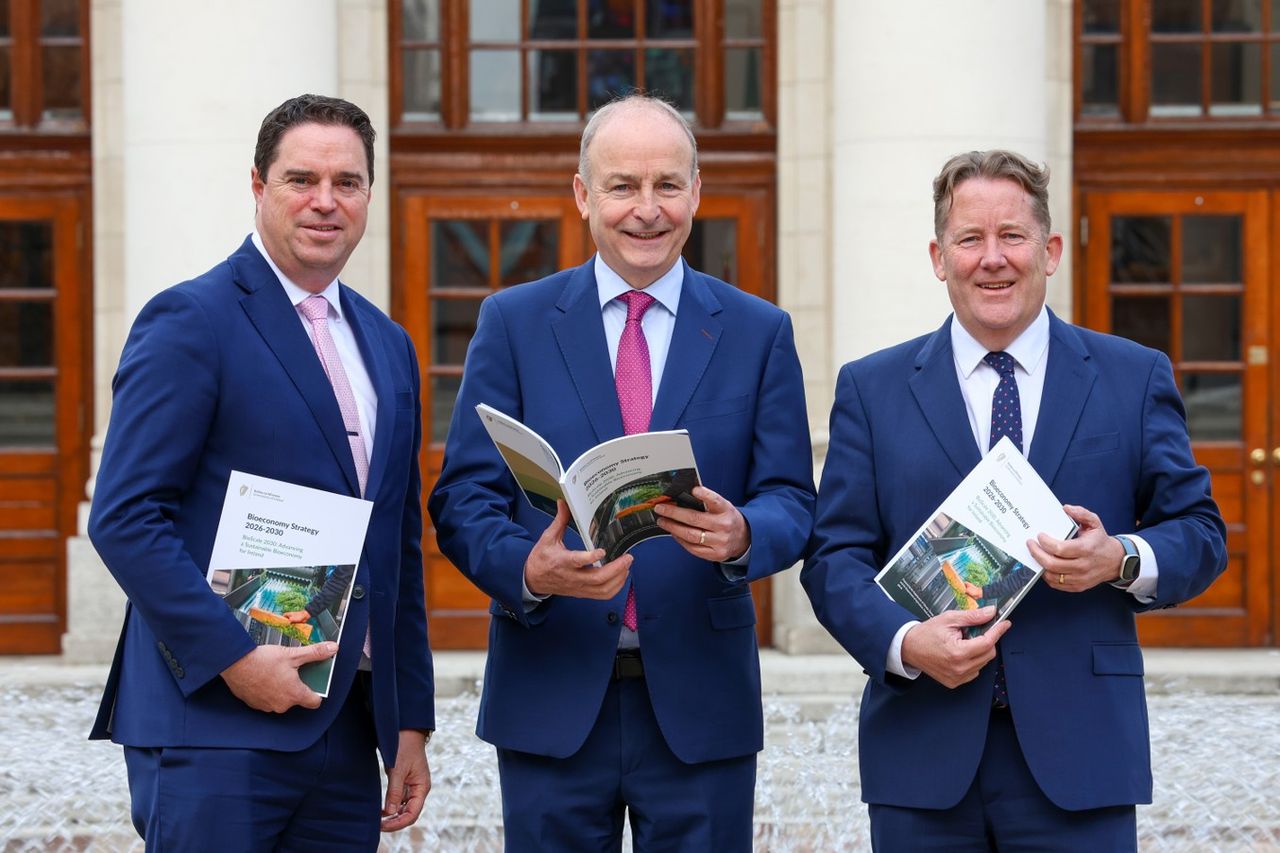
The bioeconomy is "vital to Ireland", helping us to "use our natural resources in a better, more sustainable way", Taoiseach Micheál Martin has told a major conference.
The Global Bioeconomy Summit is currently taking place in Dublin.
The Taoiseach was speaking at the event this morning (Wednesday, October 21) as Ireland’s first national bioeconomy strategy is being launched.
The strategy - BioScale 2030 - sets out a pathway to turn research and renewable biological resources into sustainable businesses, new markets and regional opportunities.
Innovation
Speaking this morning about bioeconomy development, Micheál Martin said: "It creates jobs, encourages innovation, and helps to reduce waste and dependence on fossil fuels.
"It's very clear to us that the bioeconomy is no longer an abstract concept or niche idea; but rather a mainstream, real economic, social and environmental opportunity, and imperative for us all.
"Importantly, in a world where for some it can seem attractive or easier to renege on climate change commitments, we urgently need such positive examples of the opportunity that arises from climate action."
The Taoiseach said bioeconomy development "offers hope, as well as practical opportunity" to replace fossil fuels with more sustainable renewable biological resources.
"The need to move away from a fossil fuel economy could not be more obvious," he said.
"This summer alone we witnessed record-breaking heatwaves, drought, wildfires and excess deaths across Europe.
"Our citizens and economies are also suffering from hugely inflated energy prices, exacerbated by our dependence on fossil fuels."
He said the security and availability of fossil fuels is now in question in the light of prolonged conflicts, involving oil and gas-producing nations.
"We now witness regular periodic crises, emanating from the use of fossil fuels," the Taoiseach said.
"Energy security, economic resilience and the climate crisis are all demanding a shift towards smarter, more sustainable use of our resources, and away from fossil fuel use.
"Bioeconomy development will help us to achieve all of these objectives."
Bioeconomy strategy
The new strategy identifies five strategic objectives that will create the conditions necessary for scaling Ireland’s bioeconomy.
These objectives focus on infrastructure and investment, market development, skills and innovation, climate action and circularity, and governance.
Together, they are intended to move bioeconomy activity beyond research and demonstration projects towards wider commercial deployment and long-term economic impact.
The strategy identifies five priority sectors where Ireland has strong resource advantages, existing capabilities and significant potential for sustainable growth.
These sectors are viewed as the main pathways through which the bioeconomy can deliver economic, environmental and social benefits.
These include the agri-bioeconomy and circular nutrients sector, and the bio-based construction sector.
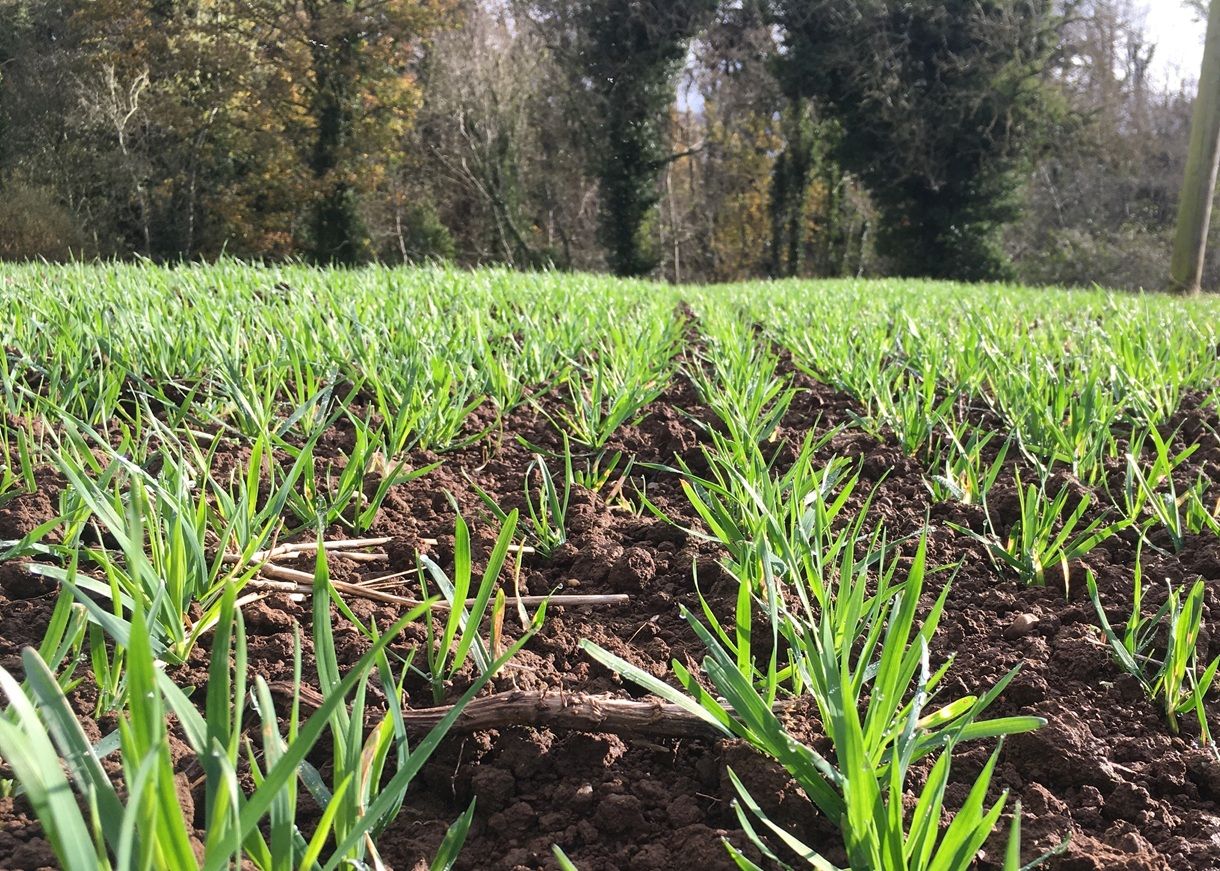
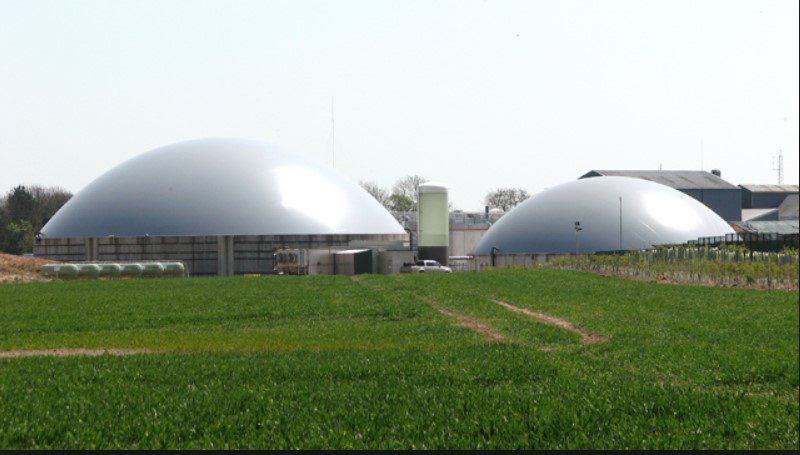
This focuses on creating greater value from agricultural biomass, residues and by-products through activities such as green biorefining, nutrient recovery, biomethane production and the development of bio-based fertilisers.
The bio-based construction sector explores opportunities to use forestry and crop biomass in lower-carbon construction materials, supporting carbon storage, reducing emissions and creating new supply chains across agriculture, forestry and construction.
Rural regeneration
The strategy outlines a vision that by 2030, Ireland’s bioeconomy will be a "core driver of economic prosperity, climate action, and rural regeneration".
The strategy outlines that the development of Ireland’s bioeconomy will be translated from its vision and mission into "coordinated action by alignment with key guiding principles" - one of these being 'food first' - that food and feed production remain priorities for biomass use.
"Bioeconomy development must support the availability of safe, nutritious and sustainable food supplies while balancing other uses of biological resources," according to the report.
However, it highlights that Ireland's globally-recognised agri-food sector and bioresource availability "provide a strategic opportunity to develop sustainable biomass value chains for biomanufacturing and wider bio-based industrial development".
Agri-bioeconomy
There will be a focus on the development of new agri-bioeconomy and circular nutrient value chains linked to Ireland’s agri-food system.
This relates to how agricultural biomass, residues and by-products can be used more productively to produce higher-value products including proteins, fibres, bio-based materials, bioenergy, biogenic carbon and bio-based fertilisers.
"Ireland has a strong foundation for development of the agri-bioeconomy," the strategy says.
"This can be seen in important early developments in this area through research initiatives for cereal, protein and oil crops, pilot green biorefinery and anaerobic digestion projects."
Actions
The strategy includes a list of actions to be delivered to support the key sectors, including agriculture.
One action is to encourage industry to utilise the network of pilot-scale testing and demonstration projects and facilities relevant to agri-biomass.
Other actions include exploring opportunities for the creation of producer groups under the next Common Agricultural Policy (CAP) 2028-2034.
This is in addition to examining the potential for using existing rural and community development structures and funding mechanisms, including LEADER where appropriate, to support community-led and place-based bioeconomy initiatives.
The strategy also commits to promoting public procurement andmarket development initiatives that encourage the uptake of sustainable bio-based agricultural products.
It also outlines a need to strengthen advisory services and knowledge transfer systems to support farmer participation in emerging bioeconomy value chains, including opportunities for young farmers to participate in relevant demonstration, training and knowledge-transfer activities.