MEP calls for proposed post-2027 CAP budget to be raised by €139bn

Irish MEP Nina Carberry has called for the proposed budget for the post-2027 Common Agricultural Policy (CAP) to be raised by €139 billion.
The Fine Gael MEP believes an increase of this amount would boost Ireland’s allocation of the funding by between 10% and 20%.
The Midlands North-West MEP is European People's Party (EPP) lead negotiator on CAP for the EU Parliament's Budget Committee.
She formally presented her proposals to the committee ahead of a key vote on CAP for 2028–2034 and Multiannual Financial Framework (MFF) files this September.
The EU has described these autumn committee votes as “critical steps in shaping the European Parliament's negotiating position for the post-2027 CAP budget and the upcoming MFF”.
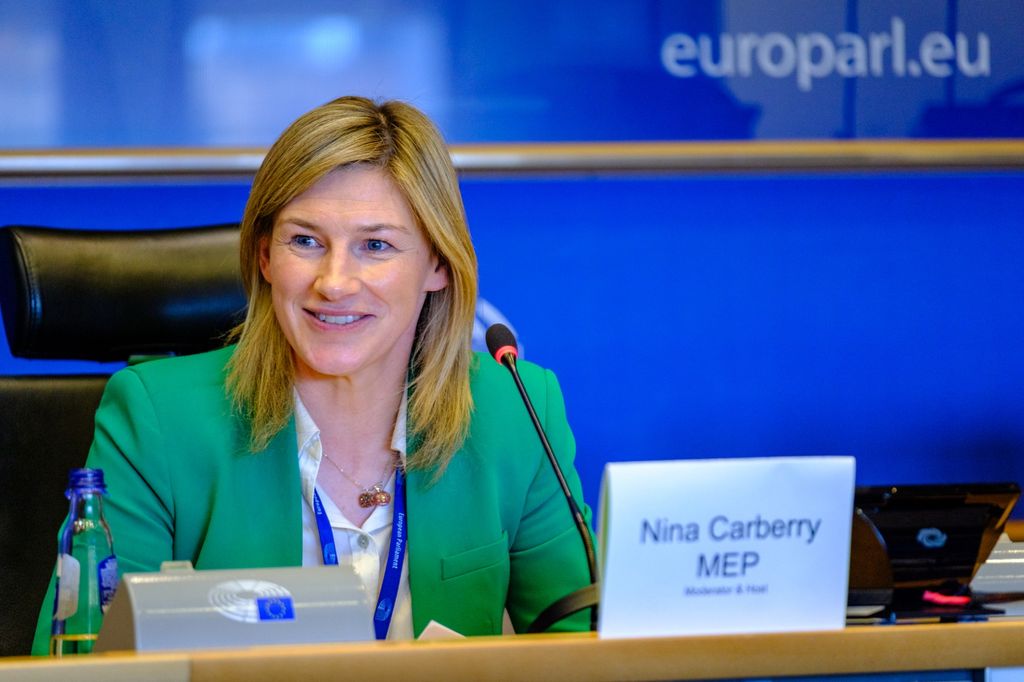
In her proposals, Carberry is seeking a larger overall fund, increased support for active farmers, a ringfenced LEADER programme and “clear” targets for generational renewal and cutting red tape.
She said: “At its heart, the CAP is a tool to subsidise food for consumers and underpin farm incomes.
"That’s why reversing the commission’s cuts will be vital if we are to tackle long-term food inflation, which the ESRI has said may hit 3.7% by the end of the year."
Carberry added that CAP also "means much more" for Irish communities.
"That’s why I am tabling amendments to ringfence the LEADER rural development programme, which has supported more than 6,800 rural projects across the country, delivering over €286 million in investment in the last decade," she said.
Carberry added that the Budget Committee must also provide a clear funding pathway for generational renewal, with the average farmer now aged 58 and only 7% of farmers under 35.
“With farmers spending up to nine days per year on CAP-related admin and paperwork, costing them more than €1,400 on average, I am pushing for quick implementation of the CAP simplification package,” she said.
Maria Walsh
Meanwhile, Fine Gael MEP Maria Walsh has said that the new CAP must prioritise young farmers by dedicating 10% of its funding to investment in generational renewal.
MEP Walsh is the European Parliament’s lead negotiator for Generational Renewal in Agriculture and recently submitted amendments to CAP for the 2028-2034 period.
The amendments call for ringfenced 10% funding for generational renewal and secure pension schemes for those at the end of their careers, rather than a blanket cut in direct payments.
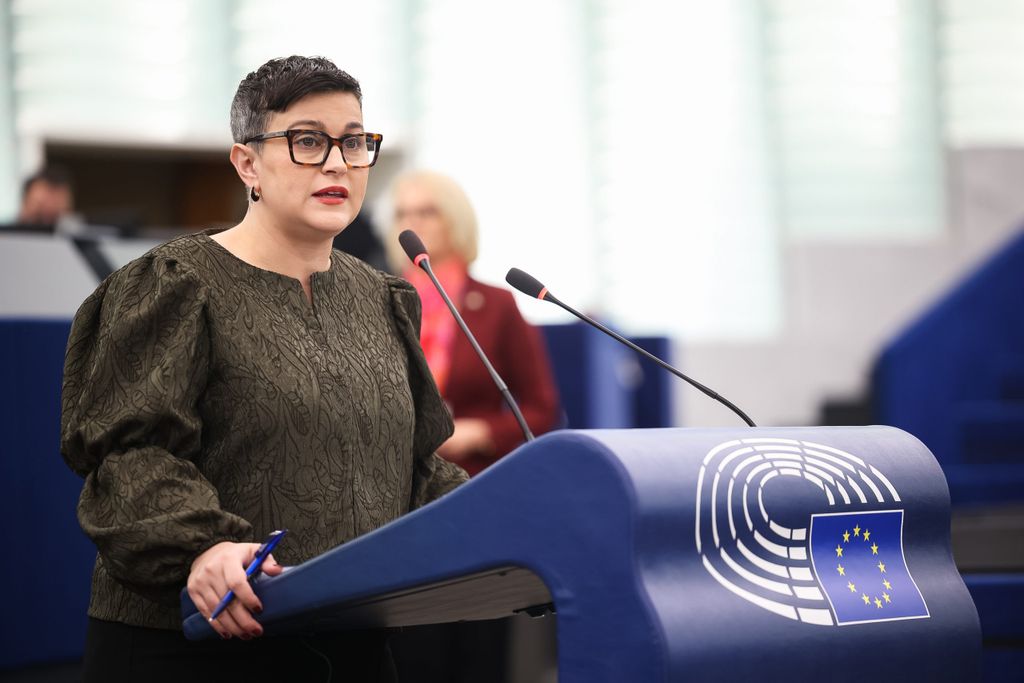
Walsh has also proposed a clear definition of an active farmer, alongside a package of supports to be included in national Young Farmer Starter Packs.
The Midlands-North-West MEP said: “My top priority is ensuring the next CAP delivers for young farmers.
"While we face an uphill battle with ongoing threats to the CAP budget, if we fail to support the next generation, the future of our farms and food production is at risk.
“Building on my Report on Generational Renewal published in May, I have specifically called for a minimum of 10% of the CAP budget to be ringfenced for a range of supports under national Young Farmer Starter Packs.
“The Young Farmer Starter Packs should include three mandatory measures.”
These suggested measures include young farmers receiving area-based income supports - payments which should not be subject to capping.
Secondly, MEP Walsh said they should receive a higher level of EU investment to help finance their businesses.
In addition, she called for the Starter Packs to include the €300,000 installation payment to aid young farmers in setting up their operations.
The MEP added: “Additional optional measures that should also be eligible for funding under the 10% CAP allocation include support for rural business start-ups, farm relief services, and access to young farmer training programmes.
“To ensure these supports reach those who need them most, income payments must be only paid to active farmers.
"This includes small-scale farmers, part-time farmers and family farms.
“It should not include investment funds, real estate companies, airports, railway operators, public authorities or any entity that is not actually involved in farming.”
According to Walsh, the new CAP must also tackle the barriers to entry for young farmers, including access to land, finance, knowledge and training.
She added that other challenges, including include gender inequalities and pension schemes for older farmers, should also be addressed.
The MEP called for the introduction of “incentives, rather than penalties”, to help with gradual retirement and “greater cooperation between experienced farmers and young farmers with innovative ideas”.
The Budget Committee is expected to vote in September, before the European Parliament enters the final stretch of negotiations on the EU’s next long-term budget later in the year.