New study links Lough Neagh pollution with rise in pig and poultry farms

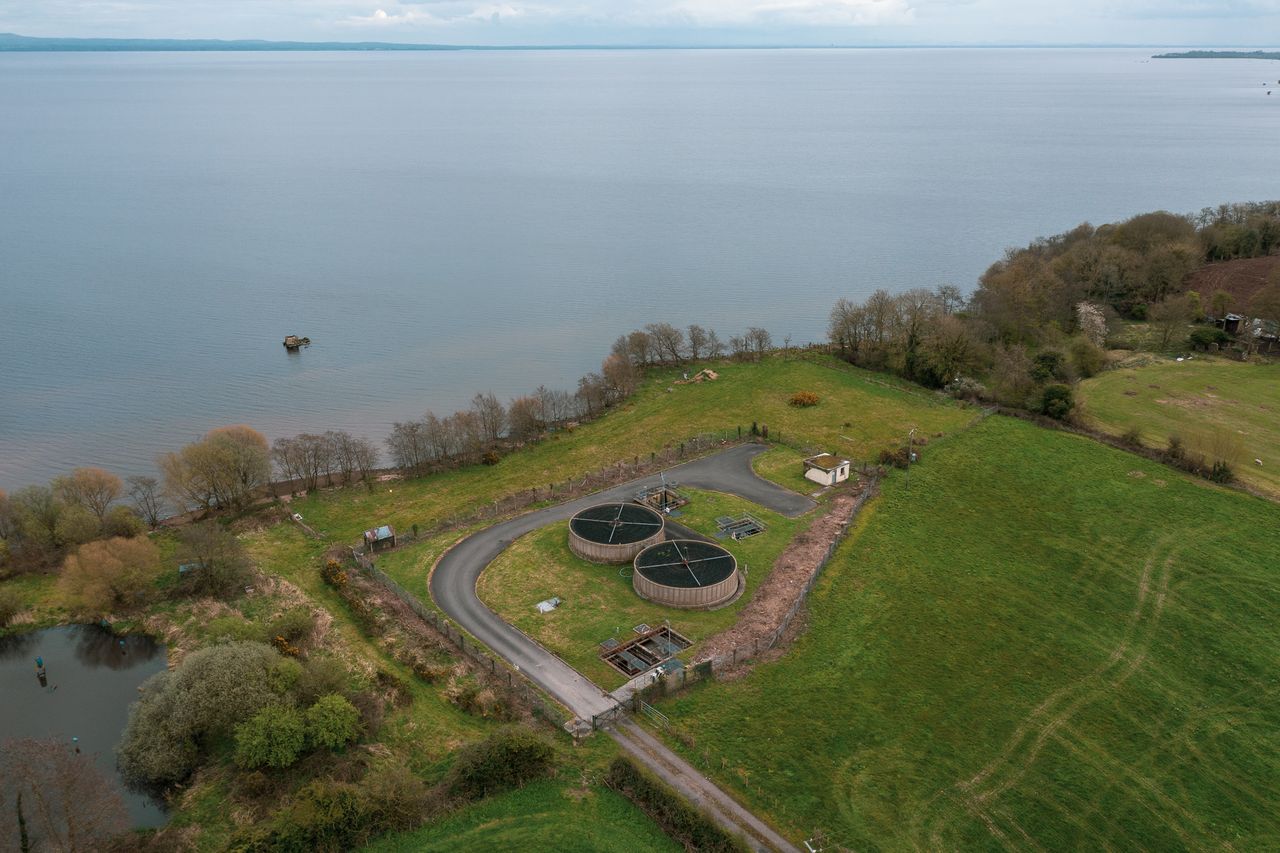
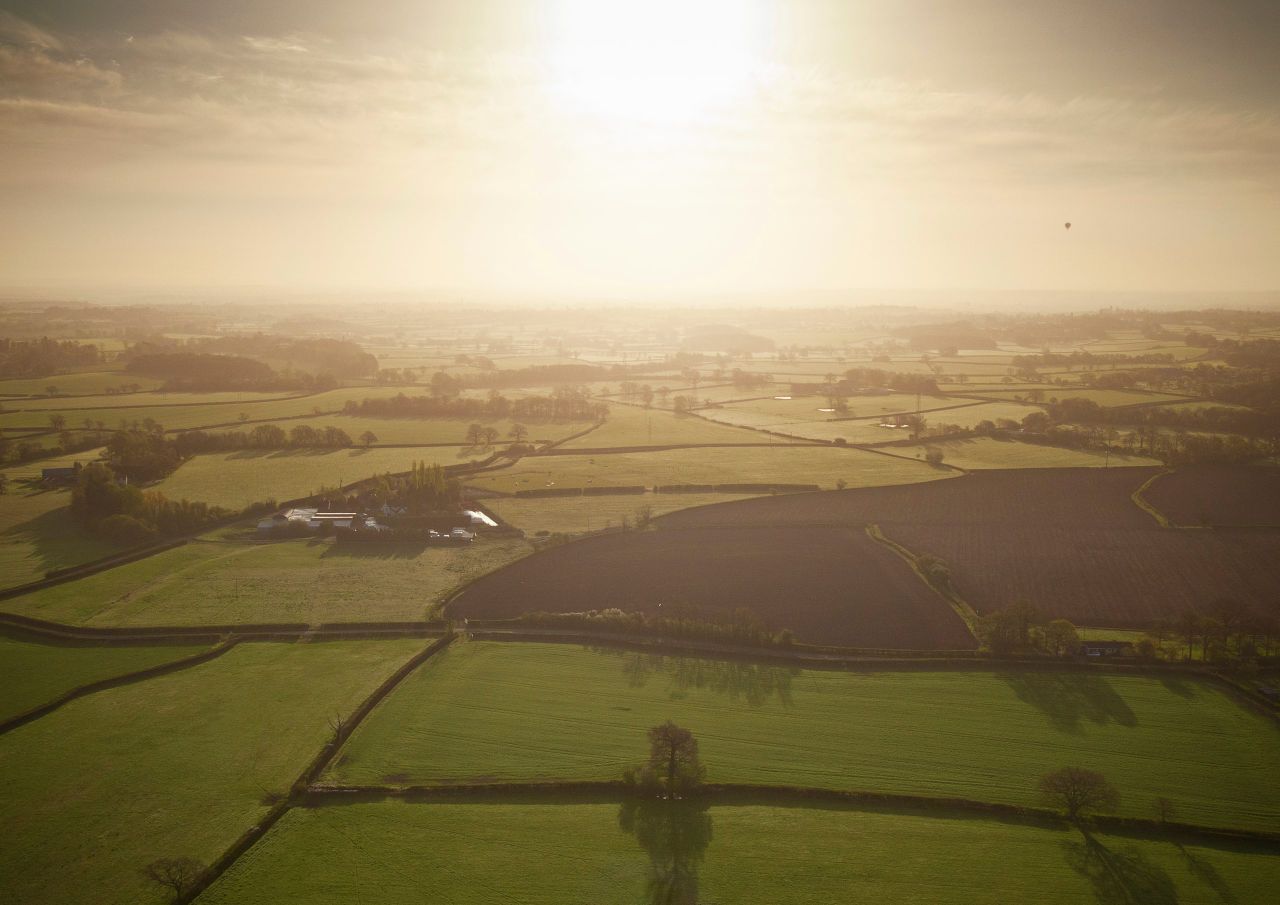
A new report has suggested that there is a connection between the expansion of Northern Ireland's pig and poultry production, the resulting manure, and rising nutrient pollution in Lough Neagh.
The study, published by Friends of the Earth NI and Materiality, links the growth of intensive pig and poultry farming over the past 13 years with the Department for Agriculture, Environment and Rural Affairs' (DAERA) 'Going for Growth' policy.
According to the report, the policy was introduced in 2013 with the aim of accelerating growth in farming, fishing and food and drink processing, but the researchers argue that the environmental consequences of increased livestock production was not taken into full consideration before the strategy was introduced.
The report estimates that there were 25.8 million poultry and almost 745,000 pigs in Northern Ireland in 2025.
In comparison to 2012, the year before Going for Growth was introduced, poultry numbers have reportedly increased by 40%, while the amount of poultry manure produced rose by 66%.
Pig numbers have increased by 50% over the same period, with its manure production rising by 48%.
Lough Neagh
The researchers noted that agriculture remains the largest source of excess nutrients entering Lough Neagh, accounting for more than 60% of the total nutrient load.
Poultry manure was estimated to have contributed to 63% of the increase in algae-forming phosphates in Northern Ireland since 2012, with pig manure also being responsible for 16% of the rise.
By comparison, the report stated that phosphates from cattle manure increased by 33%, while phosphate levels driven by sheep manure fell by 12%.
The report also found that 64% of poultry and 61% of pigs in Northern Ireland are raised within the Lough Neagh catchment.
Researchers noted that the soluble reactive phosphate (SRP) levels in the catchment have remained above the threshold associated with harmful algae bloom since 2013, with most rivers flowing into Lough Neagh now failing ecological standards due to phosphate pollution.
Pig and poultry sector
As part of the study, Friends of the Earth NI mapped pig and poultry farms, intensive livestock permits and supply chains linked to major processors, including Cranswick, Ready Egg, Karro (a subsidiary of Sofina), and Moy Park (a subsidiary of Pilgrim's Europe).
The report claimed that all manure excreted on the largest Northern Irish pig farms supplying Cranswick and Sofina is spread on land, while 21% of poultry litter from farms supplying Pilgrim's Europe is also applied to farmland.
While stressing that there is no suggestion of wrongdoing by any of the companies mentioned, the report highlighted that Moy Park set a goal to only spread 1% of poultry manure as per a document that the company had written in 2014, suggesting a lack of oversight from DAERA officials.
Going for Growth
The report argues that the expansion of pig and poultry production under the Going for Growth policy has outpaced the environmental safeguards needed to manage the resulting increase in manure.
It also points to gaps in pollution monitoring, particularly around nutrient management and the environmental impacts of intensive livestock production.
The research resurfaces comments made by then agriculture minister Michelle O'Neill, who said in 2014 that "Growing for Growth itself did not require a Strategic Environmental Assessment."
More recently, the study also highlighted how the current DAERA minister Andrew Muir acknowledged in October 2025 that mistakes had been made in the implementation of the policy.
Minister Muir said: "I would say, as minister of agriculture, environment and rural affairs, we got things wrong in the past, and I apologise for that … I want to fix the situation that we’re seeing around this.
Recommendations
The report also calls on the Northern Irish government to implement a number of recommendations brought forward by Friends of the Earth NI.
Among these is the enforcement of stop notices on all farms without intensive farming permits and a transition towards a less intensive model by supporting permitted farms to reduce their stock densities.
Friend of the Earth NI also encouraged the introduction of an independent environmental protection agency that is free from government interference and has the powers prosecute those who pollute the environment.