New EU review of nitrates rules backs manure N limit

A review of the EU Nitrates Directive, which governs farm manure limits and the nitrates derogation, has been published.
In the first official evaluation of the Nitrates Directive since it was adopted in 1991, the European Commission said that the current limit of 170kg of manure nitrogen (N) per hectare remains effective and scientifically sound.
It also said that derogations from that limit - like the 220kgN/ha limit for derogation farmers in Ireland - are a "tool for flexibility", but that they may also "affect the effectiveness" of the directive and therefore "have to be used carefully".
Last month, Agriland reported that the European Commission was preparing an assessment on simplifying aspects of the Nitrates Directive.
The newly published review has found that there are opportunities to simplify its implementation, reduce administrative burden and improve outcomes for both farmers and the environment.
The commission said it will work "in close cooperation" with member states to identify best practices and simplification potential in the implementation of the Nitrates Directive, without compromising results.
A particular focus will be placed on calendar farming practices, reducing administrative burden for small farms, and improving nutrient management at farm level, adapted to local circumstances.
However, it would appear from the contents of the review that nitrate limits will not be loosened in any way.
Derogation
The evaluation appears to leave the door open to the nitrates derogation as a continuing option under the directive.
However, the language used in the evaluation about the derogation could not be described as positive.
The commission's document acknowledged that derogations to the manure application limits have come with additional conditions, as well as higher engagement of farmers and authorities.
However, it also said that, while these factors have had some positive environmental effect, they have also "created expectations and entrenched the derogated farms in high nutrient-output farming that may have been damaging over time".
The report said that derogations have come under increased societal and legal scrutiny as there is "increasing concern" that the higher livestock concentration and manure production allowed by derogations have contributed to negative effects on water, soil, air quality and protected habitats.
The review noted that the process for member states to fully integrate the requirements to protect habitats when farming near Natura 2000 sites is "still a work in progress", and that it "may be appropriate to facilitate a practical implementation process, including for derogations".
The evaluation also defends the process for granting derogations, a process Irish farmers will have some familiarity with, following the extension of Ireland's derogation for three years.
This process involves not only approval from the European Commission, but also the approval from a committee of EU member state representatives - the Nitrates Committee.
The review said that this double layer of approval "reflects the sensitivity linked to the risk of market distortion and has the added benefit of improving transparency and peer review among member states".
Other measures
The evaluation outlined areas in which the Nitrates Directive can be aligned with other policy areas to benefit farmers.
The commission said that more efficient and circular nutrient management can deliver cleaner water while lowering costs for farmers.
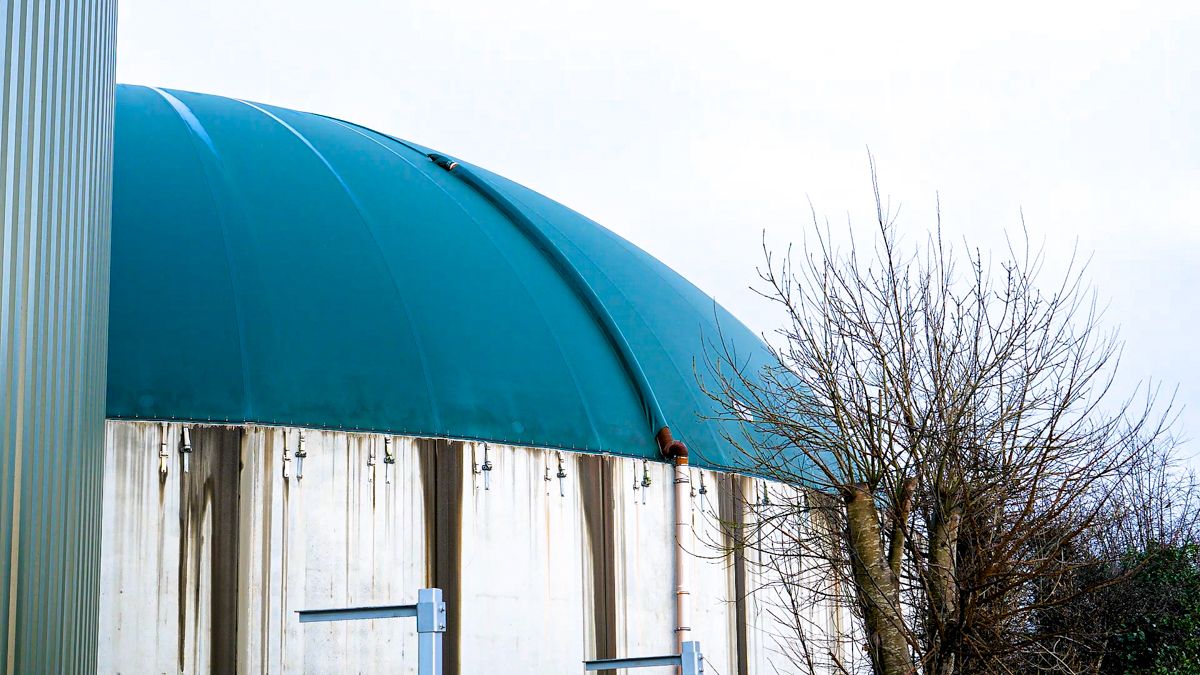
The commission cited recent announcements, in both the Fertiliser Action Plan and in the Livestock Strategy, that it is preparing the ground to extend the RENURE act for certain types of liquid digestates based on manure with appropriate environmental safeguards.
Biodigestates have high potential to contribute to an overall higher amount of available biofertilisers for use in Europe, the commission said.
An initial preliminary scientific assessment for manure-based fertiliser from digestate is due later this year.
Water quality
The evaluation said that the Nitrates Directive gives flexibility to member states to adapt measures to national and regional needs.
However, it said that, as water quality improvements remain uneven across the EU, and nutrient pollution is "still too high in several regions", the evaluation identifies the need to address areas with high concentration of livestock.
The commission said it will engage with member states, farmers, stakeholders and experts to follow up on the findings of the evaluation.