McEntee cites agriculture as govt marks 6 months to EU presidency

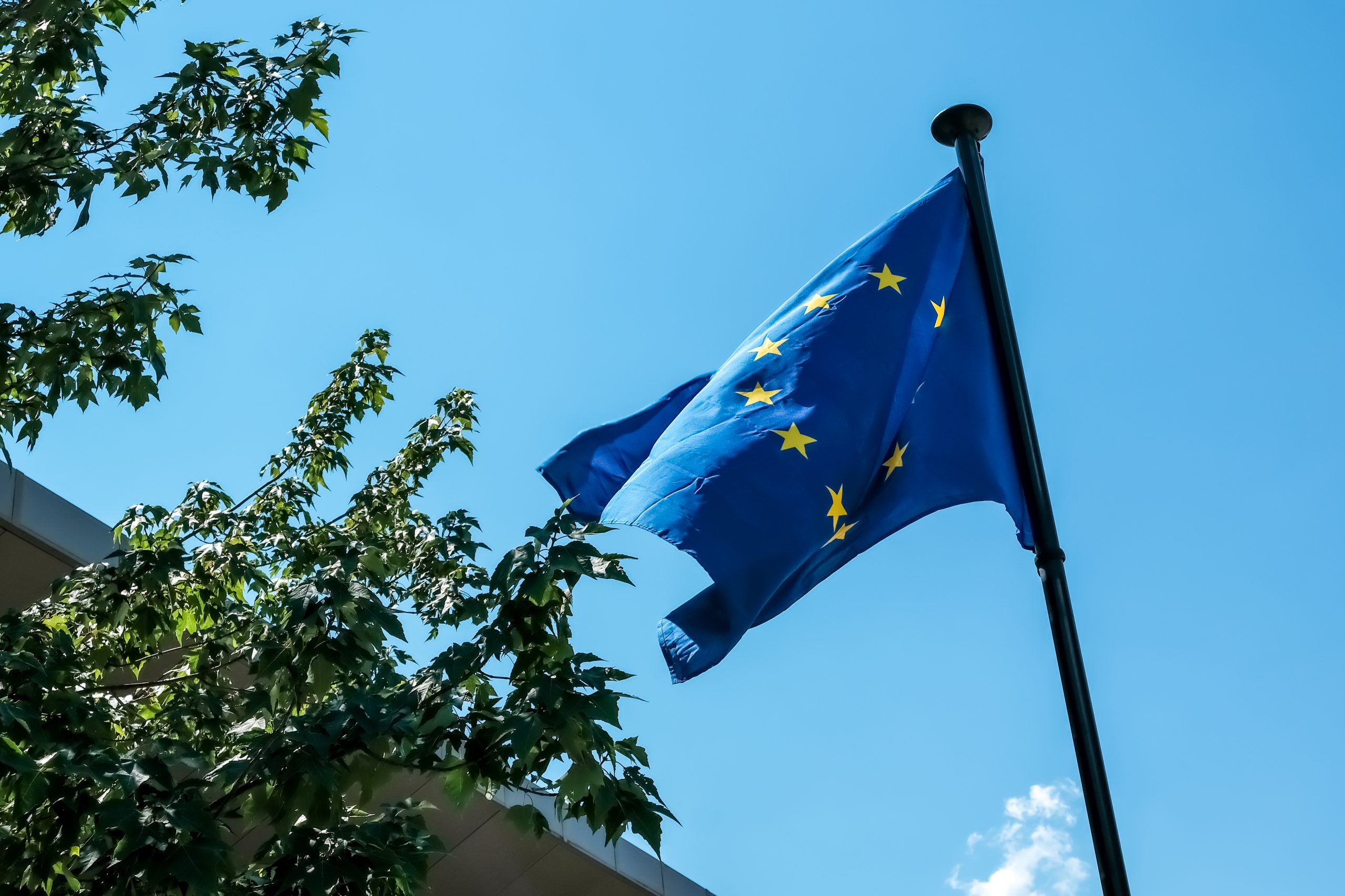
The government has marked six months to the beginning of Ireland's presidency of the Council of the EU, with Minister for Foreign Affairs and Trade Helen McEntee citing agriculture as a highlight of Ireland's coming term.
Ireland will take over the six-month rotating presidency of the council from July 1, taking over from Cyprus which begins its six-month term tomorrow (January 1, 2026).
The last six months of 2026, coinciding with Ireland's presidency, will be pivotal for EU agriculture; that period is likely to see the bulk of the work in agreeing and finalising the next Common Agricultural Policy (CAP) from 2027 onwards.
Commenting on the broader role Ireland will play in the council during its presidency, across various sectors and policy issues including agriculture, Minister McEntee said: "Our EU Presidency will be a genuine whole of government and whole of country effort. It belongs to everybody and it is really important that we hear from all sectors."
Minister McEntee said that the views received through public consultation will be "an invaluable input" to the development of Ireland's presidency policy programme, which will be developed over the coming months prior to publication next June.
That consultation has taken place over recent weeks. An open call for submissions on the development of Ireland’s presidency priorities and policy programme, which ran from November 5 until December 12, received 484 responses.
Significant events during Ireland's presidency will include a summit meeting of the European Political Community, which will be the largest event of its kind ever hosted in Ireland, together with an informal meeting of EU leaders in the European Council.
The Irish government will host more than 270 meetings, conferences and events in Ireland, involving representatives from European and non-European countries.
EU Presidency meetings in Ireland are expected to involve more than 30,000 participants.
Minister McEntee said: "Highlights of the 2026 meetings programme will include the largest ever gathering of heads of state and government in Ireland, and ministerial meetings on issues as diverse as housing, energy, transport, digital, trade, agriculture and foreign policy."
The minister also said she intends to "foster a national conversation on the meaning of Ireland’s EU membership against the background of today’s challenging international environment".
"Looking ahead to 2026, the EU Presidency is an important moment to take stock and to reflect on the advantages as well as the responsibilities of membership. I’m looking forward to engaging intensively on this discussion with people of all backgrounds across the country," she said.