Listen: How a Waterford farmer is maintaining a sub 60 SCC

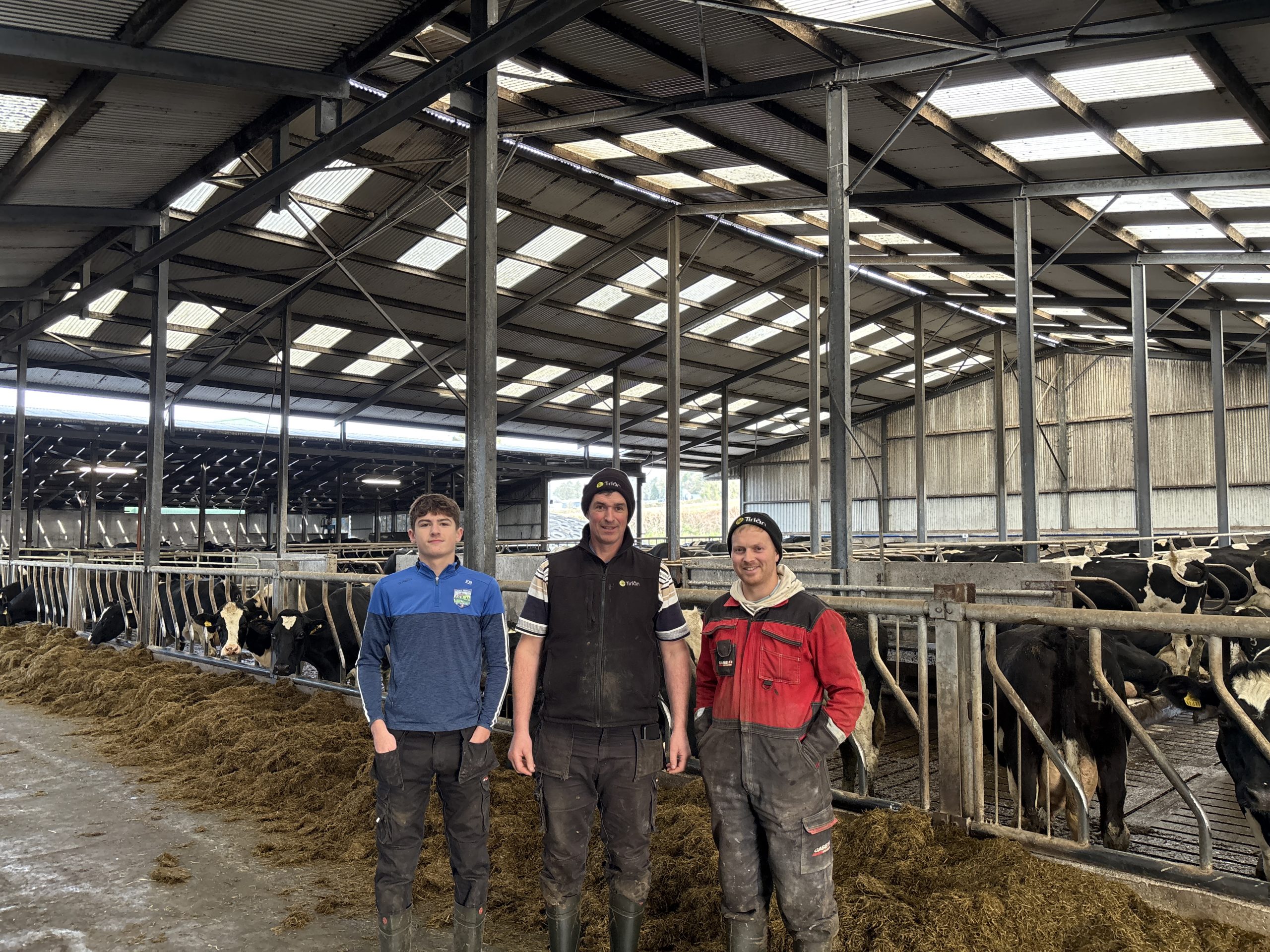
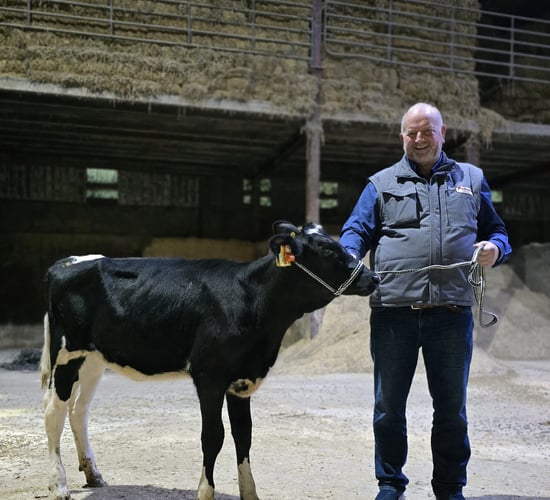
In episode four of Agriland's limited podcast 'The Dairy Trail', which aired earlier this week, Co. Waterford farmer John Byrne spoke about reducing somatic cell count (SCC).
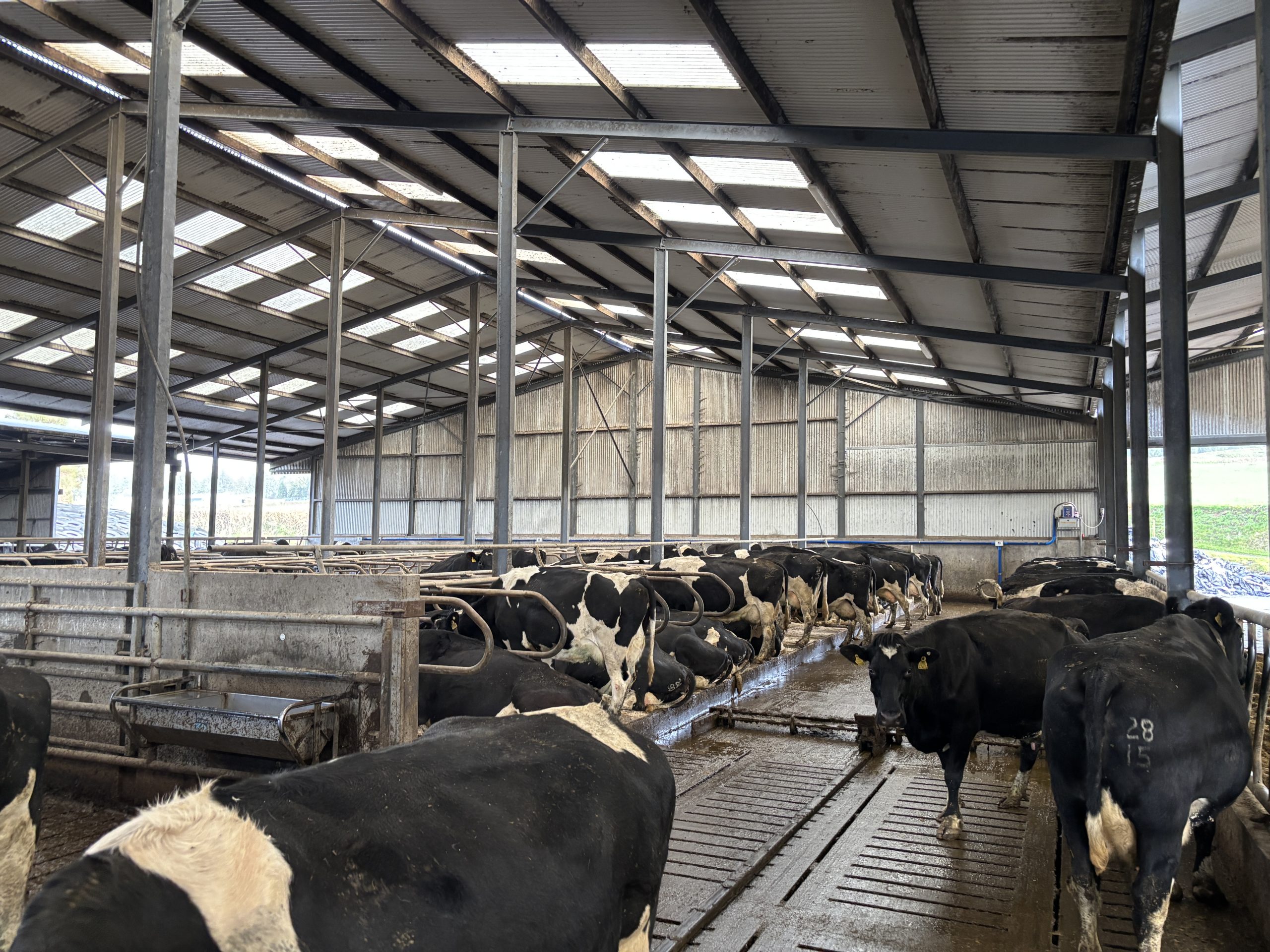
John is milking 220 cows on on a 135ac milking platform in Coolnasmear, Dungarvan, situated just below the Comeragh Mountains.
He has nailed the management of SCC in the herd, averaging 50,000-60,000 cells/ml a year.
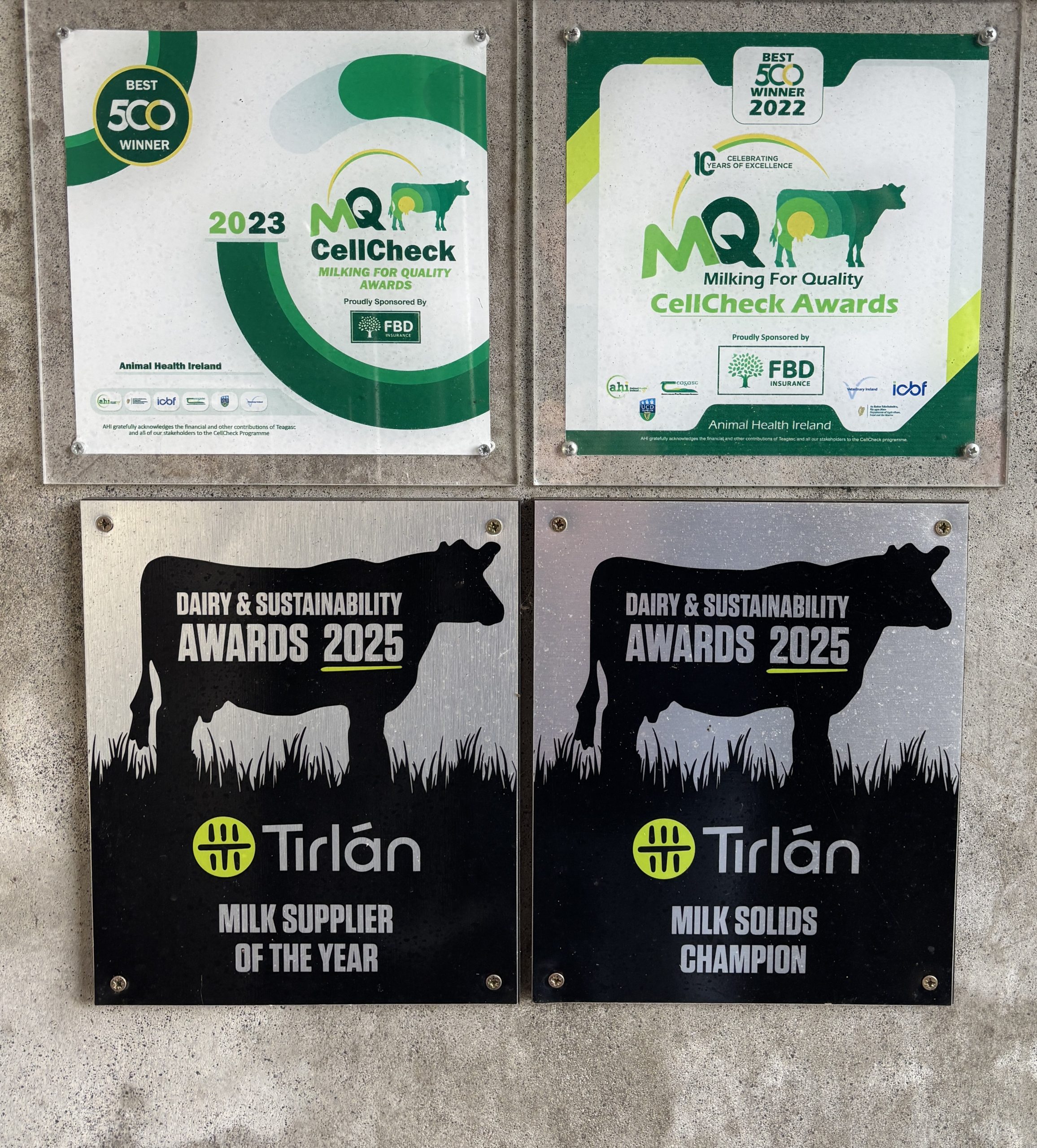
This year alone, he won another award at the Animal Health Ireland CellCheck awards, as well as winning a prize at the NDC and Kerrygold milk quality awards.
John's herd has produced 603kg/ milk solids (MS) per cow to date in 2025, however he is not finished milking just yet, as he typically milks a few through the Christmas period.
John said the herd is a cross between British Friesians and Holsteins, stating that he needs a 'strong type cow' as the farm is situated 750ft above sea level.
He operates a spring calving system, with the calving season kicking off in mid-January, and 80% of the herd calving down in the first six weeks there after.
He uses sexed semen for the replacements and breeds the rest of the herd with either Herefords or Angus.
SCC
John said a lot of work goes into maintaining a low SCC over the year by not taking his 'eye off the ball'.
The award winner said: "It's not any one thing, it's an accumulation of a lot of different things that lead to a good cell count."
John said by reducing stress on cows, feeding them properly, making sure the milking machine is up to standard, and of course upkeeping hygiene throughout year, and ensuring a good dry off routine are all essential.
He said being prepared for dry-off in advance plays a big roll in keeping SCC low.
He makes a list of which cows need to be dried first based on their calving date, giving most cows a minimum of 60 days dry, with first calvers getting at least 70 days dry.
Cows are drafted out and dried-off in batches once a week from the first week of November.
John said he never goes to once-a-day milking, stating it is either twice a day or nothing, and saying he has issues with rising cell counts when milking once a day in the past.
Any cows under 100,000cells/ml are put forward for selective dry cow therapy, all in-calf heifers also get teat seal.
John said once the cows are dried, they are taken off meal and put on straw.
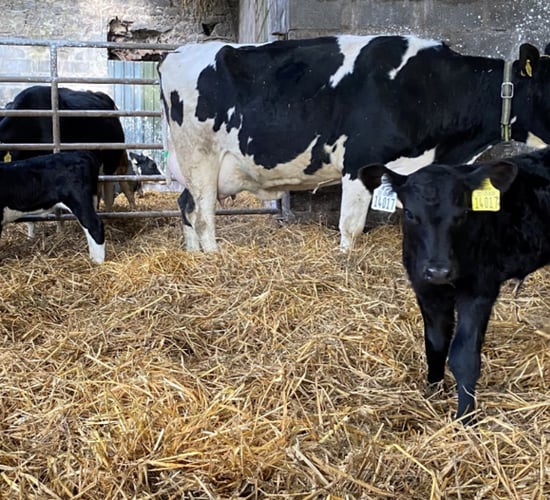
A week before calving, he moves the cows to a clean straw pen to prevent infection to the cow, or damage to the calf.
Throughout the year he is teat spraying post milking, saying it is vital for the whole teeth to be covered, it should not be a quick 'gesture' spray.
In high risk times such as post-calving, a lot of farmers draw cows to check for mastitis; however, John feels too much handling may be causing more problems than it is helping.
Therefore he does not draw them but instead keeps an eye on the filter sock, from which he can decide if the cows do need to be drawn at the next milking.
Despite all of these efforts and more, such as dry wiping and keeping cubicles right, John still had issues a couple of year ago with mastitis.
After much investigation, he discovered that potassium was coming back with silage.
This was because of the wet nature of his land, and slurry was getting out too late.
This was then locking up the calcium in cows, creating issues with subclinical milk fever, which in turn led to mastitis, as well as metritis and retained placentas.
Since then, he has being feeding a cation-anion balanced mineral with the winter diet, as well as straw and a calcium bolus at calving.
Farm system
In the podcast, John also speaks about the land of the farm and dealing with wet land in the shoulders of the year and trying to plant clover.
He speaks about the year in review in terms of grass growth and silage, as well as diving further into the breeding operations on the farm.
He dives further into the winter feeding diet, and how he is incorporating maize in the spring diet since the 2018 fodder crisis.
John also speaks about managing lameness on the farm and his hoof pairing protocols.
We hear about the infrastructure on the farm, in terms of the parlour, housing, slurry storage ahead of the new regulations, and adaption to technology such as collars.
So, take a listen to hear all about John's whole farm system and how he is achieving high solids while maintaining low cell counts.
Unfortunately, that marks the last episode of season three of 'The Dairy Trail' podcast, but stay tuned to Agriland for more podcasts bringing you the latest farming news.