Is January date for signing Mercosur deal delaying the inevitable?

A decision to postpone the signing of a trade agreement between the EU and South American countries which are part of the Mercosur bloc has now been delayed until January.
It had been expected that a decision would be made this week, with the deal going through before Christmas, however circumstances changed when Italy decided to seek further assurances regarding safeguards for EU farmers.
The Mercosur trade deal would see Mercosur countries such as Brazil and Uruguay remove import duties on 91% of EU goods, notably motor vehicles.
However, on the other side of the agreement, the Mercosur countries would get to sell their goods to the EU with fewer restrictions.
These include sugar, honey, soybeans, and, importantly to Ireland, meat, specifically beef. It would allow 99,000t carcass weight of beef from the Mercosur countries to enter the EU at a much reduced tariff rate of 7.5%.
The quantity of beef under this quota will be phased in over a five-year period.
The European Commission proposed additional safeguards after opposition from the farming industry in several countries including France and Ireland.
It would now trigger an investigation if prices within the EU were to drop by 8% or more and constant monitoring of the market must take place to ensure EU farmers are not adversely affected by the deal.
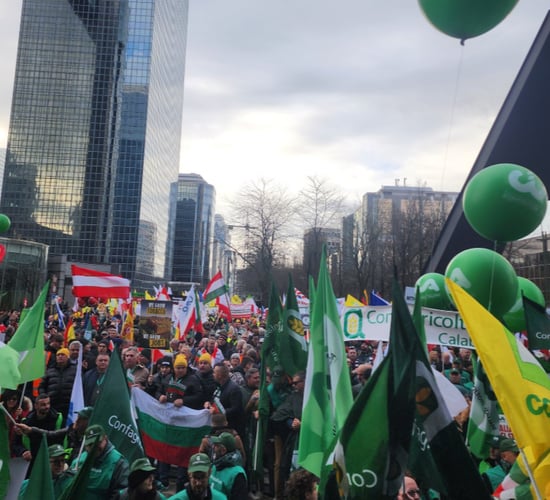
A major protest involving thousands of farmers from across the EU took place in Brussels yesterday over several issues including the Mercosur deal and the decrease in funding for the next Common Agricultural Policy (CAP).
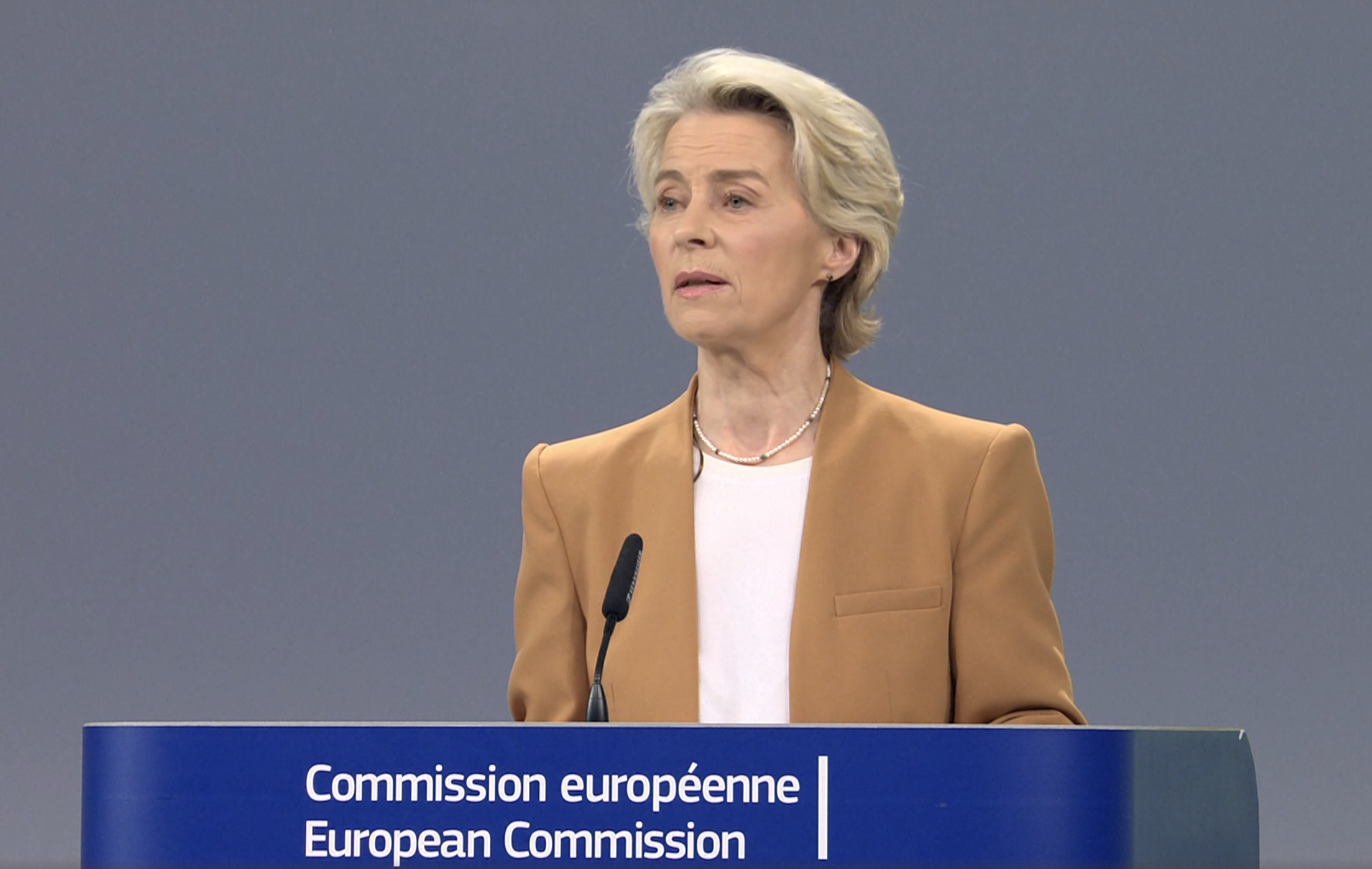
It would seem that Italy's stance of following France in seeking a delay in the decision, was enough to sway European Commission President Ursula von der Leyen from travelling to Brazil to sign the deal.
Without the endorsement of Italy, she would have travelled without a qualified voting majority and therefore would have been somewhat without a mandate from the EU to seal the deal as a result.
Brazil has agreed to allow the EU one more month to complete its checks and balances and ensure member states are satisfied that the deal will not adversely affect the market.
This is despite Brazilian president 'Lula' da Silva stating earlier this week that Brazil would not tolerate much further of a delay on the EU's side as it loses patience in closing the deal which has been in the making for almost 26 years.
Ursula von der Leyen said last evening: "This evening we have achieved a breakthrough to pave the way for a successful completion of the agreement in January.
"We need a few extra weeks to address some issues with member states. We have reached out to our Mercosur partners and agreed to postpone slightly the signature.
"This deal is of crucial importance for Europe – economically, diplomatically, and geopolitically. It opens new trade and economic opportunities for all our member states.
"With additional checks and safeguards, we have built in all necessary protections for our farmers and our consumers.
"In a year dominated by news of rising tariffs and new trade restrictions, the positive impact of this pact matters – not just for our two regions, but for the global economy," she added.
Macra
However, Macra has stated that the postponement of the vote on the EU–Mercosur trade agreement extends uncertainty for farmers, with young farmers being particularly vulnerable to prolonged indecision.
"While the delay allows for further consideration of the issues involved, it also leaves early-stage farm businesses without clarity on future market conditions," the organisation has stated.
"Young farmers making investment and production decisions need certainty, not continued ambiguity around trade policy.
"Concerns around regulatory standards, environmental requirements and the cumulative impact of trade agreements remain unresolved. These issues must be fully addressed before any agreement can be progressed."
Macra is calling on the government to use this period to defend the interests of Irish farmers at EU level, and to outline how young farmers will be protected under any future trade arrangement.
Macra president, Josephine O'Neill said: "While the decision to postpone the vote on the Mercosur Trade Deal is welcome, uncertainty surrounding the agreement still looms large for Irish beef and poultry farmers.
"Our elected representatives must now ensure that the significant concerns of young farmers are listened to and acted upon to ensure that the inevitable vote on the Mercosur Trade Deal is rejected."