Irrigation costs surge as 2026 drought hits Irish veg sector

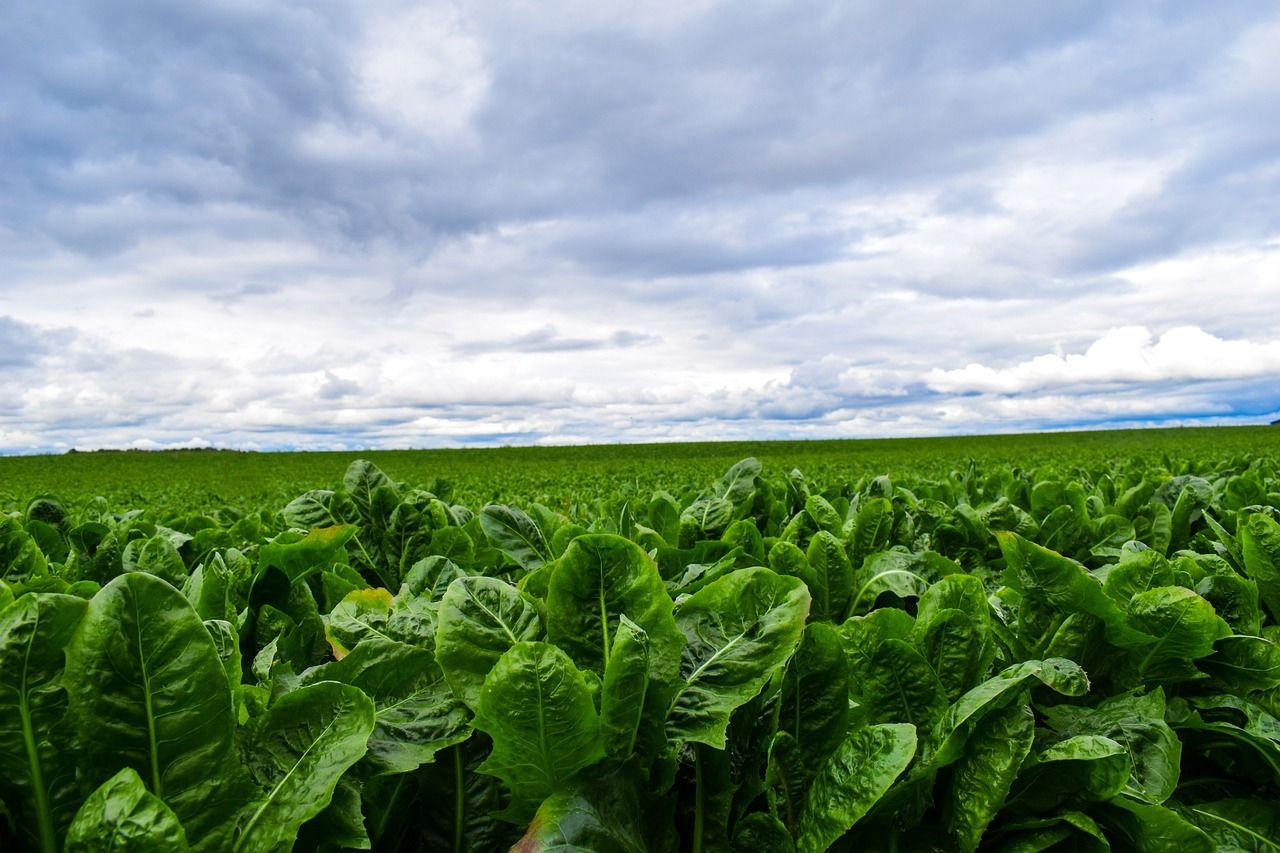
A severe, sharply concentrated drought through July and into August in Ireland placed exceptional pressure on outdoor field vegetable production, Teagasc has said.
Impacts varied enormously depending on one factor above all others: access to irrigation.
From the third week of August, the weather pattern broke down, rain returned across the country, and soil moisture has since recovered close to normal levels for the time of year.
Teagasc has today (Thursday, September 24) published a new report, ‘The 2026 Drought and Its Aftermath: Impact and Recovery in the Irish Outdoor Vegetable Sector’.
It provides an update and reviews what happened, where the sector now stands, and what this growing season implies for climate adaptation going forward.
Yield and quality losses
The key findings include that unirrigated crops saw yield and quality losses of 25% to 40%, while irrigated crops retained substantially more of their value.
Growers who could irrigate spent significantly more to do so, in some crops over €2,700 per hectare in water alone, before equipment and infrastructure costs.
Subsequent weather since late August has created uneven timing of recovery, meaning that surplus and shortage can occur at different points in the season, and even simultaneously across different crops, Teagasc said.
The clearest risk now is disrupted continuity of supply, not a simple lack of product.
Only 30 to 35% of the vegetable production area carries sufficient irrigation capacity, and capacity itself is not simply about access to water: it depends on equipment, infrastructure, labour, location and soil type together.
Even well-equipped growers found that capacity, built for two-to-three-week dry spells, was tested by a drought that ran eight to nine weeks.
Comparable drought and water restrictions affected growers in the UK and Europe this summer, findings the report notes are relevant to Ireland's reliance on imported produce.
Keeping crops going
Eoin Sweetman, specialist vegetable adviser with Teagasc's horticulture development department, said: “The real story this year is what it costs to keep crops going.
"Growers with access to irrigation were applying water four, five or even six times more than normal - in some crops, that's an extra €1,380 to €2,070 per hectare in irrigation costs alone.
"And that cost doesn't tell the whole story either.
"Even on irrigated ground, we saw higher grade-out rates, more variable size and quality that didn't meet specification, so growers were often paying more to produce less marketable yield, not less overall production."
'It was a rehearsal'
Dermot Callaghan, head of Teagasc's Horticulture Development Department, said 2026 wasn't an anomaly - "it was a rehearsal, and not just for Ireland".
"It seems clear that what counted as adequate irrigation capacity needs to shift in line with climate," Callaghan said.
"Unlike many in Europe, Ireland has plenty of water on an annual basis; what's missing is the infrastructure to manage it according to seasonal crop requirements.
"The work of closing that gap must start now, because the next event of this scale is no longer a risk to plan for.
"It is a certainty to prepare for."