Sponsored
How do you train a camera to spot lameness faster than the human eye?

Sponsored by
This was the challenge that developers at Nedap set out to solve.
Arnold Harbers, data analyst at Nedap, and Jur Eekelder, product specialist at Nedap, explain why Nedap felt vision technology could offer dairy farmers something.
Arnold said: "At Nedap, we have been involved in the dairy industry for the last 50 years, and we want to stay involved for the next 50 years at least.
"So, for us, we must stay at the cutting edge of technology. A couple of years ago, we felt that vision technology was mature enough to be used on dairy farms.
"A farmyard is a harsh environment, and with recent innovations, we felt that vision technology has a role to play.
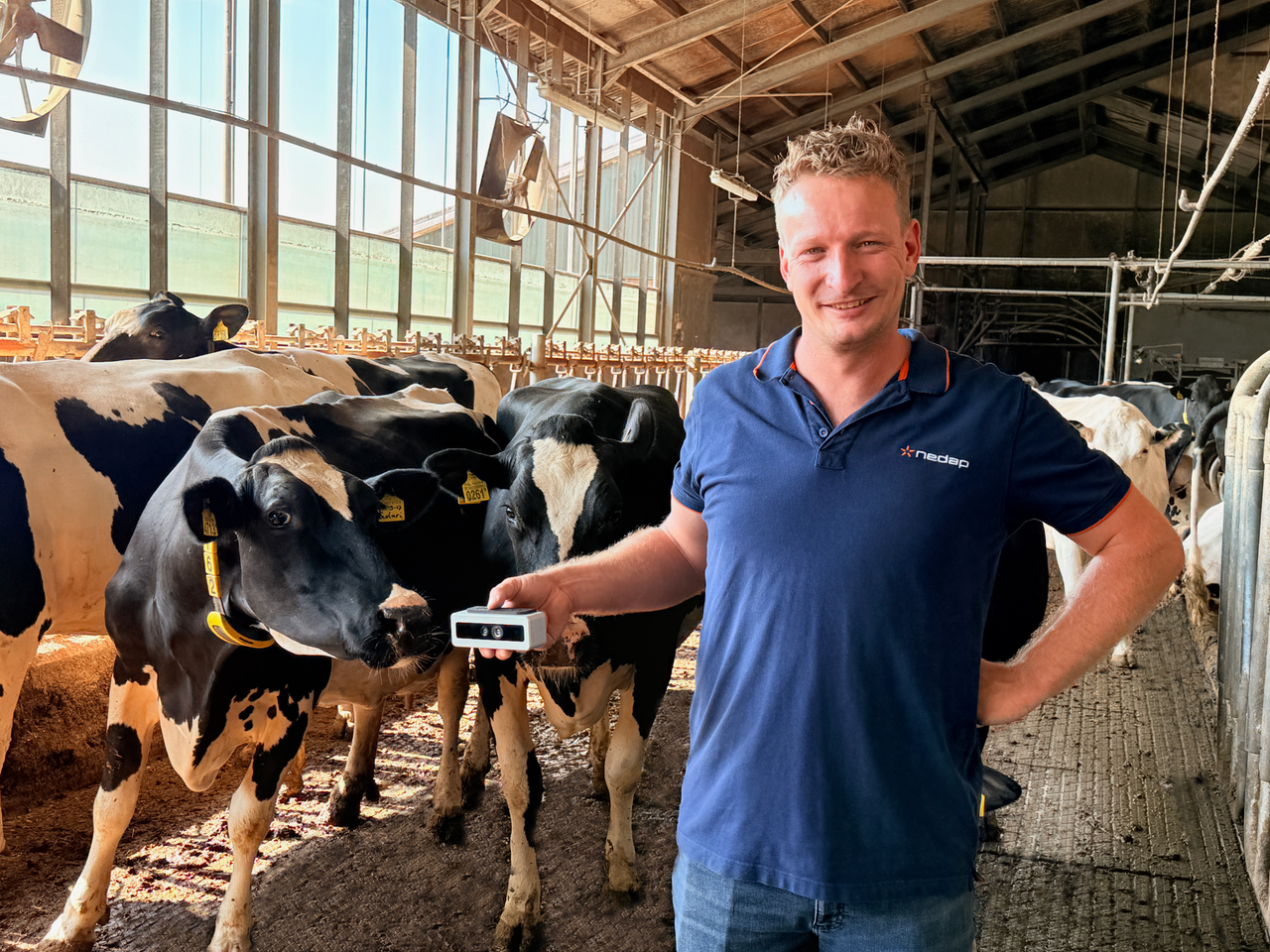
"Vision technology is a camera recording, and its computer software analysing all those recordings.
"We wanted to be the first to explore this technology. We figured that watching cows and locomotion monitoring is a good first use for this technology."
Why is lameness a priority on farms?
Lameness has a long-term impact on cows. Lame cows have reduced production, can miss heats, and suffer pain from the condition.
While the costs of a singular case of lameness can range from €200-€400, catching the problem early is crucial, to prevent the costs associated with lameness.
Cows that become chronically lame (often caused by internal foot damage, which can cause permanent deformation of the hoof due to prolonged suffering) are incredibly difficult to cure completely, causing recurrent lameness in subsequent lactations.
It is estimated that up to 20% of cows in a herd can be suffering from lameness at any given time.
Developing the technology
Nedap’s newest technology, SmartSight, gives each cow a locomotion score every time she passes the camera at milking time.
The data collected builds a picture of each cow’s locomotion.
Jur explained: "The challenge was ensuring that the data we display to farmers really highlights the cows that need treatment.
"If 20% of the herd show a bad locomotion score, which ones do you check first?"
The team at Nedap spent a significant amount of time trying to solve this problem and eventually hit on the fact that cows that showed a strong decline in locomotion required the most urgent attention.
These are the cows that you definitely can fix and prevent from becoming severely lame or even chronic.

When the locomotion of a cow deviates from her normal level, it generates an alert via the Nedap Now software and app.
Farmers played an integral role in developing this vision solution.
Five farms in Ireland, with over 1,500 cows, contributed data to the project.
The Nedap development team also used data from herds in Europe and the US.
"We wanted to give farmers the best experience possible. So, we collected valuable practical feedback from the trial farmers and learned how they used the technology.
"We refined the algorithms and functionality of SmartSight accordingly," Jur said.
Features such as trim lists, the option to snooze alerts, and the ability to view a cow’s locomotion history, and even the whole herd’s history and trends, have all been developed to make the product as simple and user-friendly as possible, while still providing actionable daily insights.
How does this impact cows on farms?
Early intervention is key when treating lameness and keeping cows healthy. Analysis of herds using Nedap SmartSight has clearly shown this.
"When we compare cows that have been monitored by SmartSight, grouped by lactation, older, chronically lame cows were difficult to cure fully," Jur continued.
"We also saw that heifers that were monitored by the vision technology were easy to treat, so chronic lameness was prevented.
"Therefore, as these cows age, they will have better locomotion and hoof health due to earlier intervention.
"We’ve seen that fewer young cows are culled due to lameness on these farms, because the issues are being presented to the farmer before they become chronic cases.
"And that is where the true value of SmartSight lies; treating cows before they become chronic and keeping cows in the herd."
The impact poor locomotion has on fertility is reduced too.
Decreased movement from lameness inhibits oestrous expression, and pain disrupts the hormone cycle.
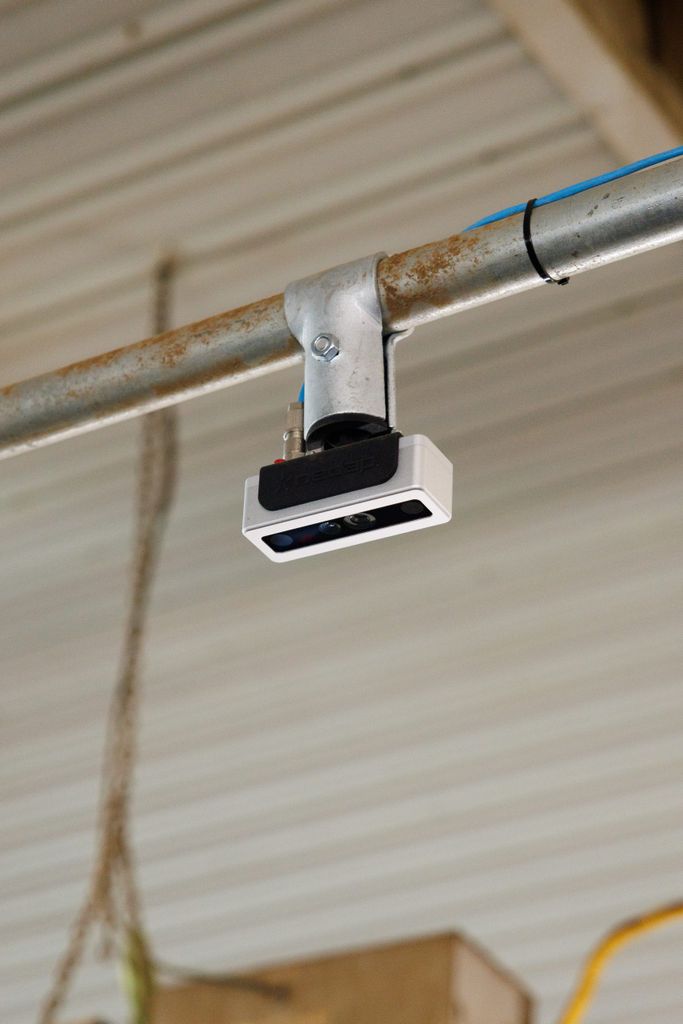
In Ireland, herds being monitored by SmartSight for one season have shown that empty rates double for cows that have had a locomotion issue over the course of their lactation.
Jur said: "This only reinforces that what we are trying to do is build a product ecosystem that benefits both cows and farmers.
"We want to give farmers products that all work together to give a valuable solution.
"We can integrate fertility data from our SmartTags with locomotion data from SmartSight, all managed on one software platform and app: Nedap Now."
Locomotion Monitoring is the first product release using vision technology from Nedap.
The team has been working on other uses for this technology.
Sponsored by