Feed For Growth: Your Partner For Calf Performance

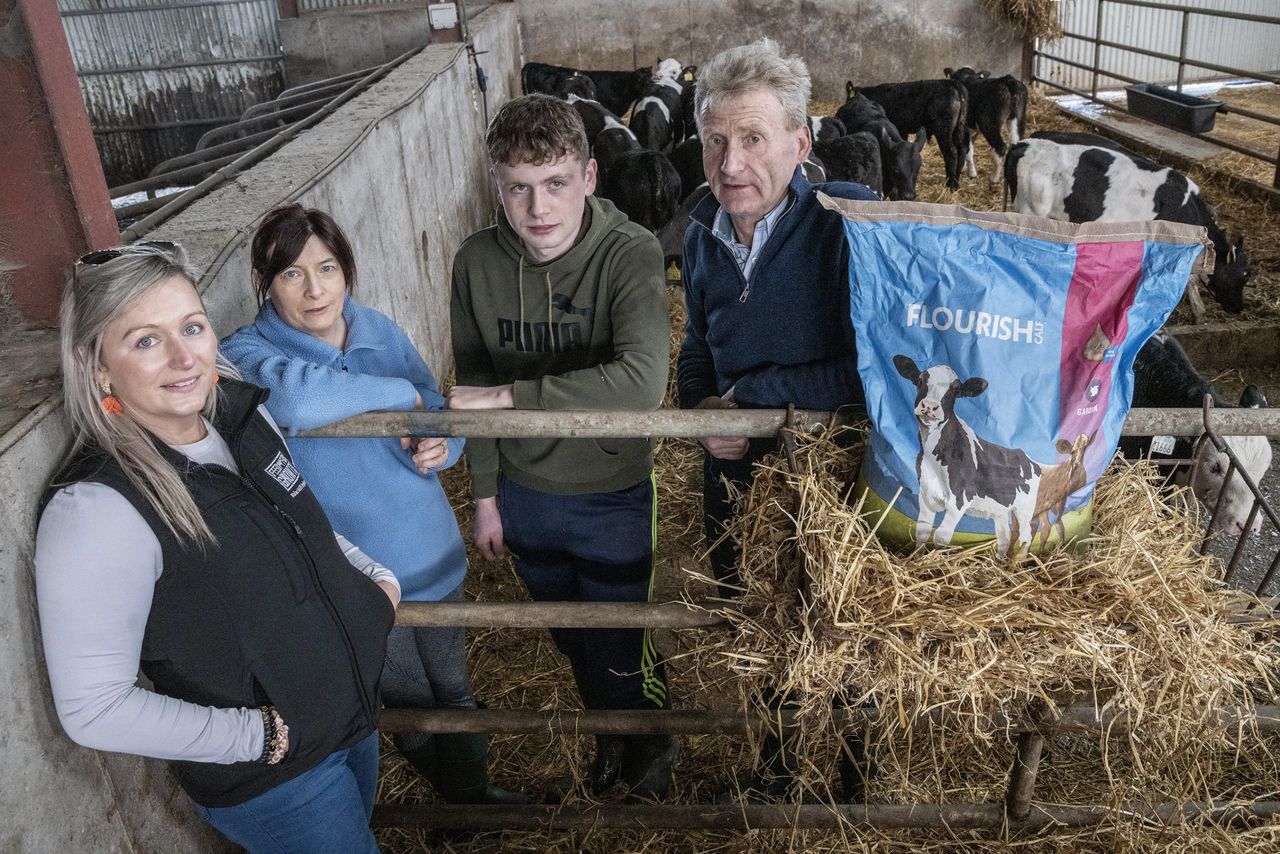
Mary manages the day-to-day calf rearing on the farm, while Gerard, who is currently studying Agricultural Science at Munster Technological University (MTU), also plays an active role.
Gerard has developed valuable practical experience in calf rearing through both his education and his work on neighbouring dairy farms.
Together, the family milk 120 cows on a 160ac platform, operating a split-calving system with 70% of cows calving in the spring and 30% in the autumn.
The earliest 20% of the herd is bred using sexed semen to produce replacement heifer calves, while Angus and Hereford bulls are used across the remainder of the herd.
Setting replacements up for 24-month calving
For JJ, selecting the first 20% of the herd to breed replacements from is a key management decision on the Nolan family farm.
Being born early gives these heifer calves the longest possible run-up before they need to be bred themselves, helping the farm stay on track to calve heifers at 24 months-of-age.
It is a target that has become the cornerstone of efficient and sustainable dairying, allowing heifers to enter the milking herd as efficiently as possible without compromising future performance.
For a system like JJ's, where the future of the herd depends on a relatively small group of early-born replacement heifers, giving those calves every possible advantage from day one is vital.
Getting calves off to a strong start
That advantage starts within hours of birth.
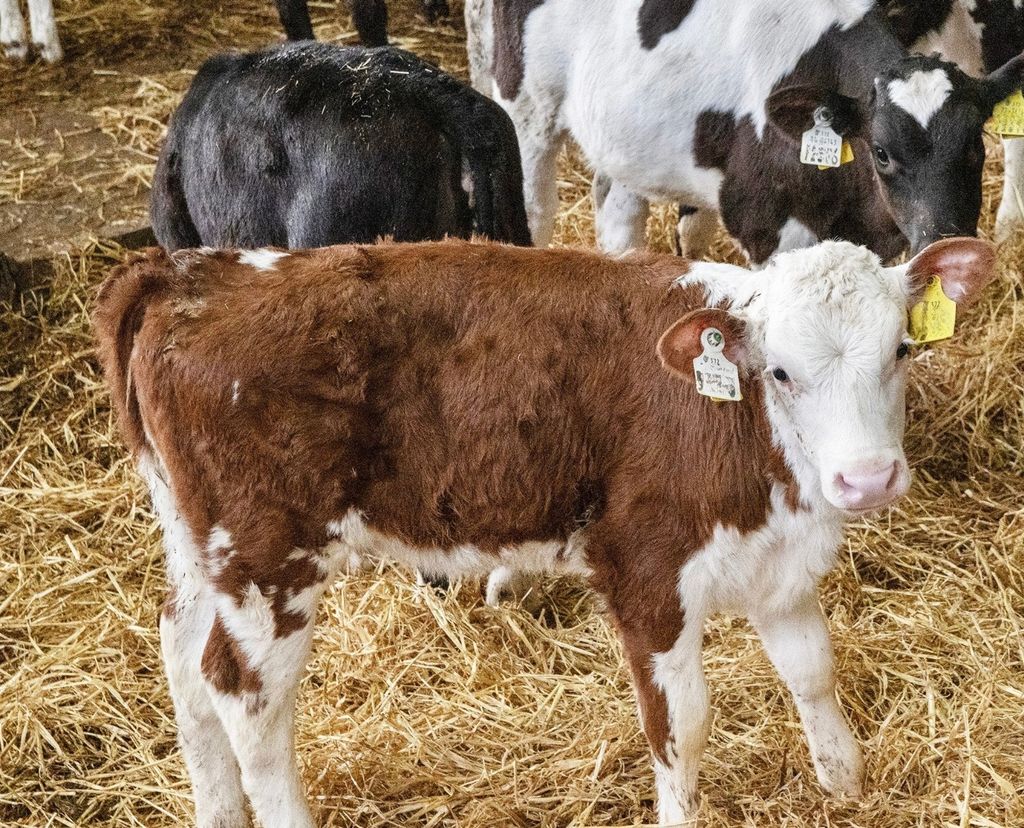
Every calf on the farm receives only its own dam's colostrum, with up to 10% of its birth weight fed shortly after birth, before being individually penned.
Transition milk follows from days three to five.
Once that critical early period is complete, the focus shifts to establishing calves on a consistent feeding programme that will support steady growth and help them reach their full potential as replacement heifers.
Modernising the calf-rearing system
The biggest change came in spring 2025, when the Nolans began looking at ways to make their calf-rearing system more efficient.
After researching automatic calf-feeding systems, the family turned to their Feed for Growth business manager, Sharon O'Donoghue, for advice.
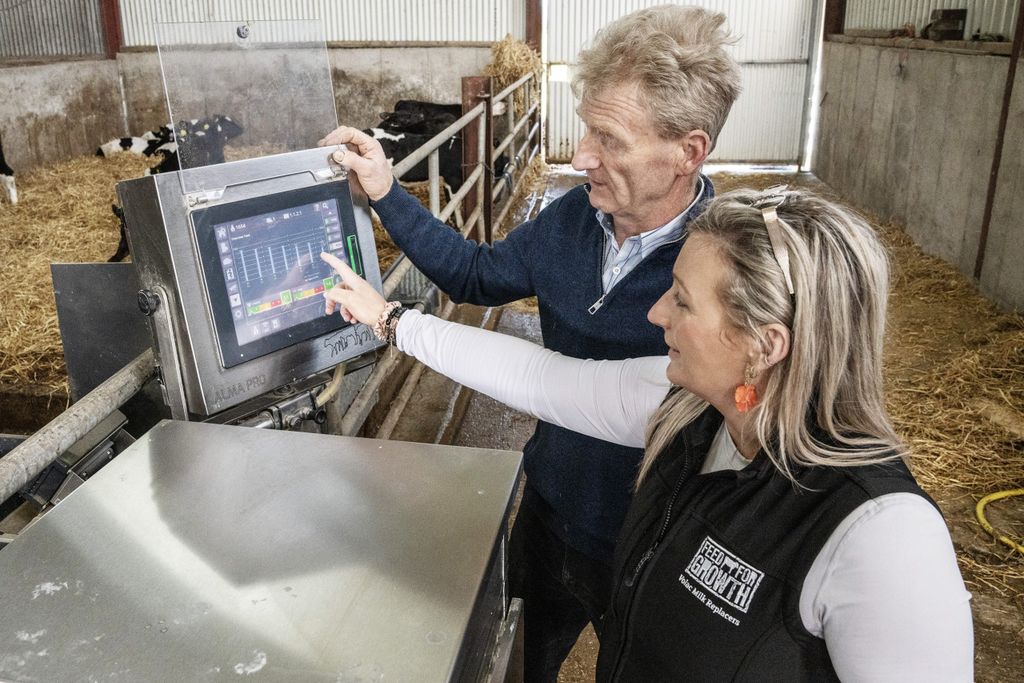
Sharon worked closely with the Nolans to understand their calf-rearing system and recommended the combination of the Urban Alma Pro Fit Plus automatic feeder and Flourish Calf Milk Replacer.
For the Nolan family, the move was not simply about changing how calves were fed.
It was about creating a system that would save time each day, deliver consistent nutrition to every calf and reduce hands on feeding practices during the busy calving season, allowing more time for checking the calves and other tasks.
Choosing the right feeding programme
With an automatic feeding system, consistency is essential, so choosing the right milk replacer was an important decision.
Sharon recommended Flourish Calf because of its high dairy ingredient content, including a 50% skim milk inclusion rate and 100% dairy protein, helping provide calves with a highly digestible source of nutrition from an early age.
Combined with 23% protein, 19% oil, Progress and butyrate to support gut development, the formulation is designed to encourage steady growth and help calves make the most of every feed.
For JJ and Mary, the priority was finding a milk replacer they could trust to support healthy, consistent growth while keeping replacement heifers on target to calve at 24 months.
On a farm where replacement heifers play an important role in the future of the herd, giving calves the right start from day one helps ensure they reach the right size and weight at the right time.
Strong performance from day one
Calves are introduced to the automatic feeder and Flourish Calf from seven days-of-age, starting on 6L a day across three feeds.
That allowance is gradually increased to 8L across four feeds, delivered at a 15% solids concentration, and maintained until calves are approximately 50 days-of-age, before being gradually weaned between 50 and 70 days-of-age.
The family are delighted with how well the calves have adapted to the new system.
They have been quick to start eating concentrate and increasing their water intake, both positive signs of rumen development that have contributed to strong, consistent overall growth.
They have also been impressed with how easily Flourish Calf fits into the daily routine.
It mixes quickly and consistently, with no issues around clumping or wastage, while calves have adapted readily to the feeding programme.
During the busy calving season, knowing every feed can be prepared quickly and consistently is one less thing to worry about.
Supporting better calf management
The Urban Alma Pro Fit Plus has become an important part of the Nolan family's calf-rearing programme.
By delivering regular and consistent feeds throughout the day and recording each calf's milk intake, it gives the family greater confidence that calves are feeding well while making it easier to identify any animal that may need extra attention.
Alongside the labour savings, the additional monitoring has provided valuable peace of mind during busy periods, helping the family maintain consistency across the entire calf-rearing system.
Looking to the future
For the Nolans, every management decision is made with the future of the herd in mind.
From breeding replacement heifers from the earliest calving cows to investing in a modern calf-rearing system, the focus is on producing healthy, well-grown heifers capable of joining the milking herd at 24 months.
With the support of Feed for Growth and a calf-rearing programme that combines the Urban Alma Pro Fit Plus automatic feeder with Flourish Calf Milk Replacer, the Nolan family are confident they are giving the next generation of their herd the strongest possible foundation.
The 'Feed for Growth: Your Partner for Calf Performance' is a collaboration between Agriland and Feed For Growth (Volac Milk Replacers Ireland).