Sponsored Article
Irish dairy’s green advantage

Sponsored Article

Irish dairy has built its strong global reputation on quality, sustainability, reliability and our unique grass-fed credentials.
Our success in export markets depends not only on finding new buyers, but on protecting the strong and hard-fought position we occupy on the global stage.
Today’s consumers want proof that the food they consume is both nutritious and responsibly produced.
When it comes to making purchasing decisions, they seek out assurances of environmental care and high animal welfare standards.
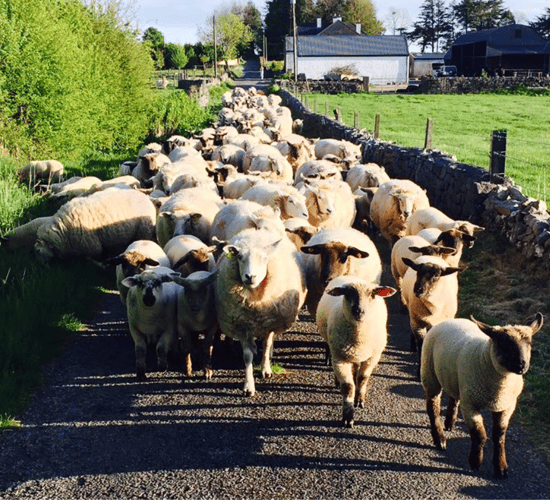
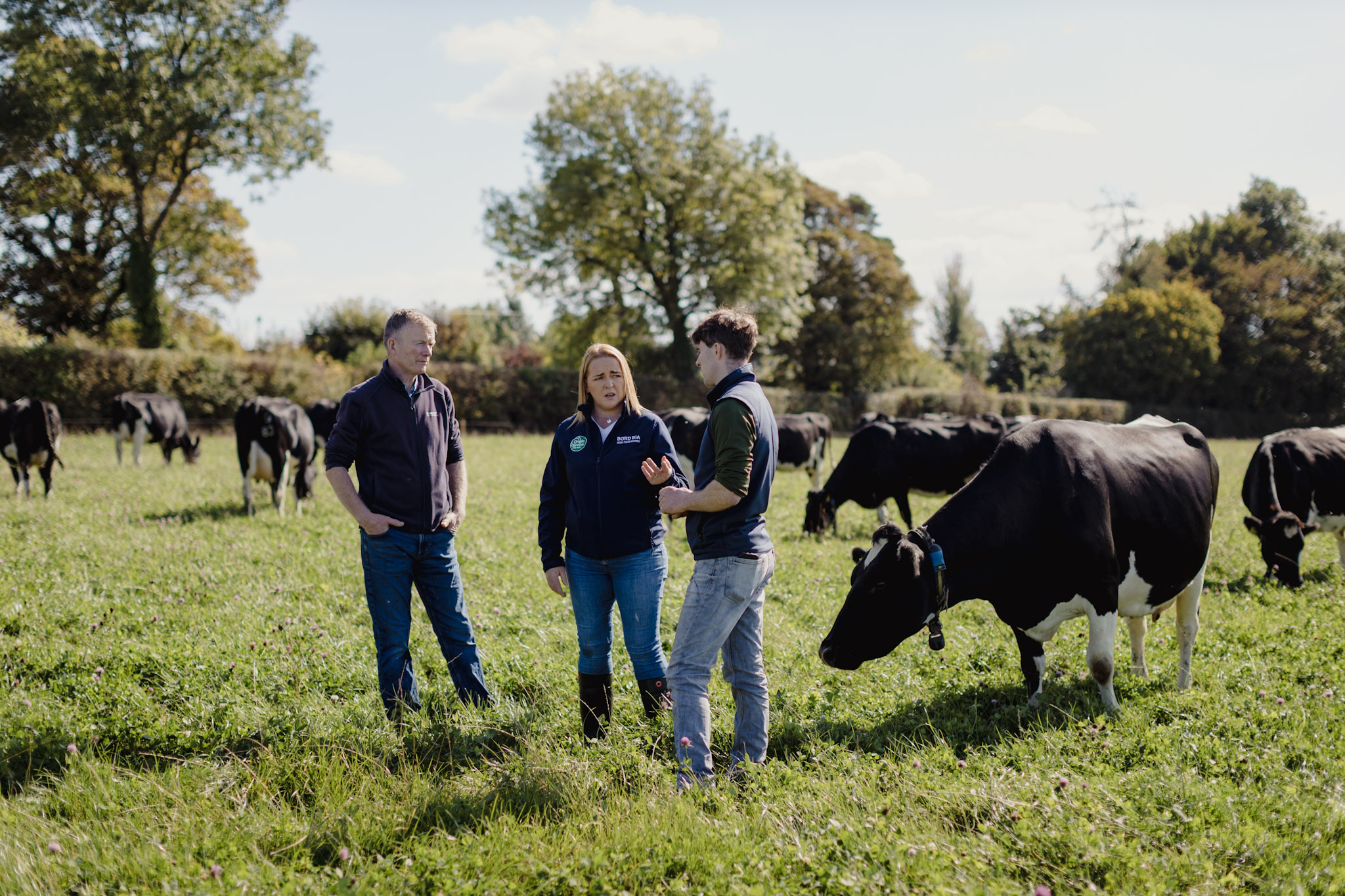
Grass-fed milk production sits at the heart of what makes Irish dairy unique, benefiting farmers, cows, consumers, and the environment.
Grass-fed is not just how we farm – it’s how we stand out.
Market demand
Grass-fed dairy satisfies market demand across four main areas:
- Health benefits: Grass-fed dairy has higher levels of beneficial nutrients compared to indoor-based dairy, supporting healthy lifestyles;
- Improved animal welfare: Irish dairy cows can lead more ‘natural’ lives out on pasture. Healthier cows also contribute to better quality milk;
- Improved environmental sustainability: Ireland has one of the lowest dairy carbon footprints in the EU, largely due to our pasture-based production systems, which typically have lower carbon footprints than mixed or indoor systems.
- Consumers will pay a premium for grass-fed dairy: Half of consumers globally said that grass-fed would influence their choice of dairy. According to Bord Bia research, 19% of dairy consumers will pay a premium for grass fed-dairy.
The Bord Bia Grass-Fed Standard
Bord Bia, in collaboration with the wider Irish dairy industry, developed the Grass-Fed Standard in 2020.
As the world’s first independently verified grass-fed certification, the Bord Bia Grass-Fed Standard provides proof that Irish dairy is verified grass-fed.
The Grass-Fed Standard asks no requirements of farmers other than to be a member of the SDAS.
The data is collected through the sustainability survey conducted by farmers as part of their audit.
The percentage of grass in the herd’s diet is calculated on a fresh weight basis and includes grass-based forage.
Milk processors that wish to use the grass-fed logo are audited against the standard every 12 months and must comply with these requirements:
- Sourced from farms that are members of the Bord Bia Sustainable Dairy Assurance Scheme (SDAS);
- Each individual herd must achieve at least 90% grass-fed diet over a three-year period;
- The combined milk pool must achieve a weighted average of at least 94.5% grass-fed (herds producing more milk count more towards this average);
- Cows must be permitted to graze outdoors on grass for at least the national average grazing days, plus or minus 30 days (to allow for challenging grass growth conditions).
Message from Ornua
Grass-fed success in the US market
Consumers worldwide increasingly see grass-fed dairy as the ‘gold standard’ for quality and authenticity.
This is particularly prominent in markets like the US, where Kerrygold is the second most popular butter in the market.
Irish grass-fed milk gives Kerrygold its golden, creamy texture, which consumers actively seek out as they cannot find it elsewhere in the butter category.
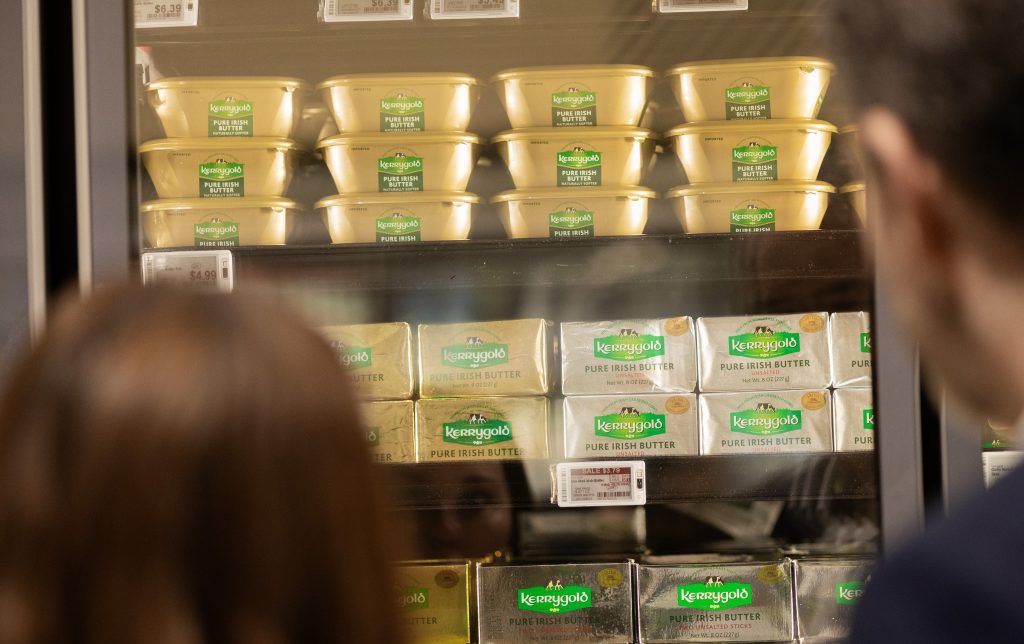
From one pallet of butter in 1999, to the number one imported butter brand and fastest growing in the market, Kerrygold’s strength is the result of decades of strategic marketing investment, strong long-term retail partnerships, and consistent delivery of a consumer experience that is unmatched.
It is the model for best-in-class production from paddock to parlour to plate, underpinned by robust standards designed to protect and enhance the foundations of Ireland’s unique value proposition: grass-fed.
Protecting our natural advantage
Grass-fed is more than a production method, it is Ireland’s competitive differentiator.
It connects farming heritage and efficiency with the modern consumer’s appetite for taste, quality, and sustainability.
As global competition intensifies, protecting and communicating the value of Ireland’s grass-fed system will be vital to sustaining our reputation, our premium position in world markets, and our ability to realise value for producers.
Sponsored Article