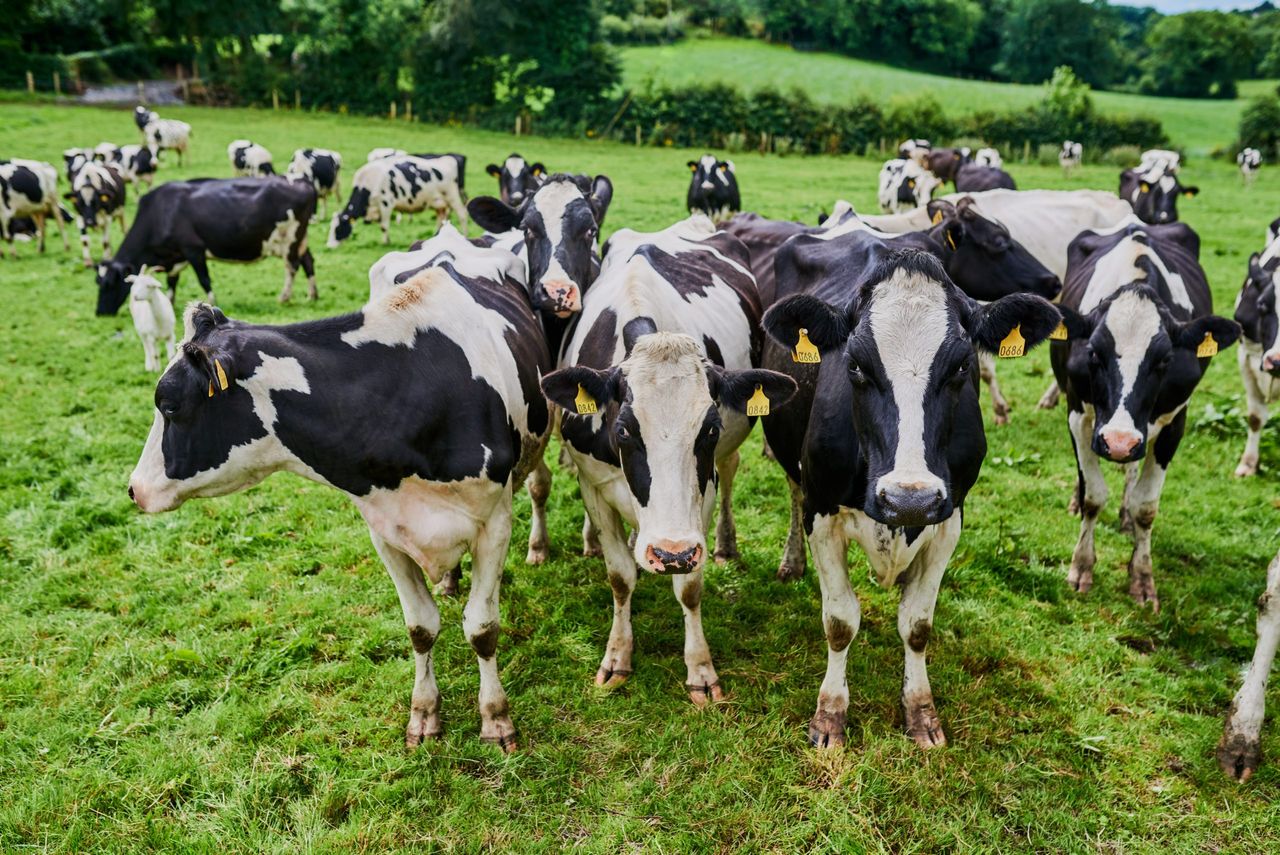
How organic dairying is working for this Clare farmer

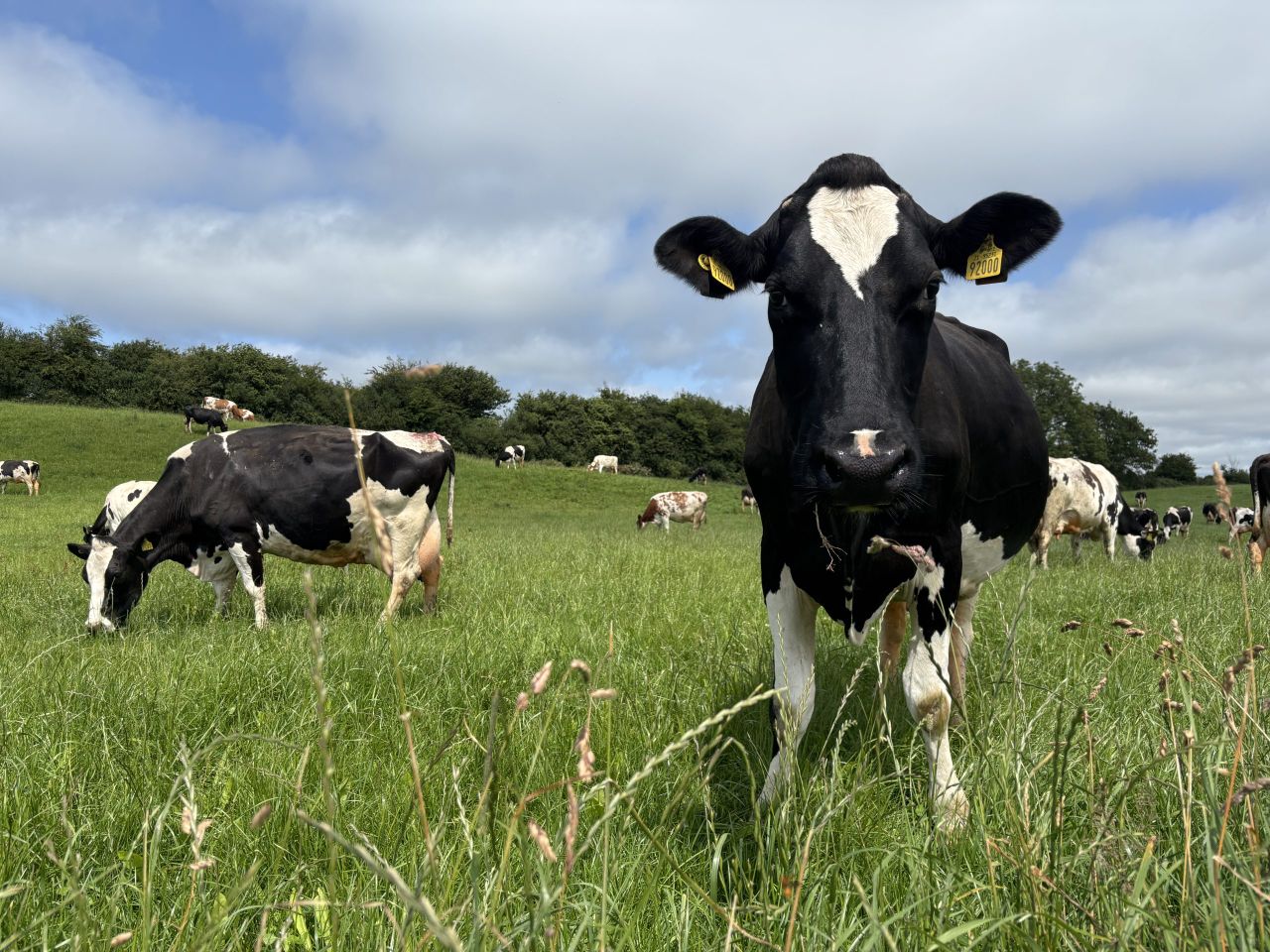
The Hennessy family of Cappamore, Bearfield, Co. Clare, are milking 86 cows on a a fully organic dairy system.
Eoin, Traci, and Joe made the decision to convert to organic back in 2022, and gained their full organic symbol in January of this year after a 24-month transition period.
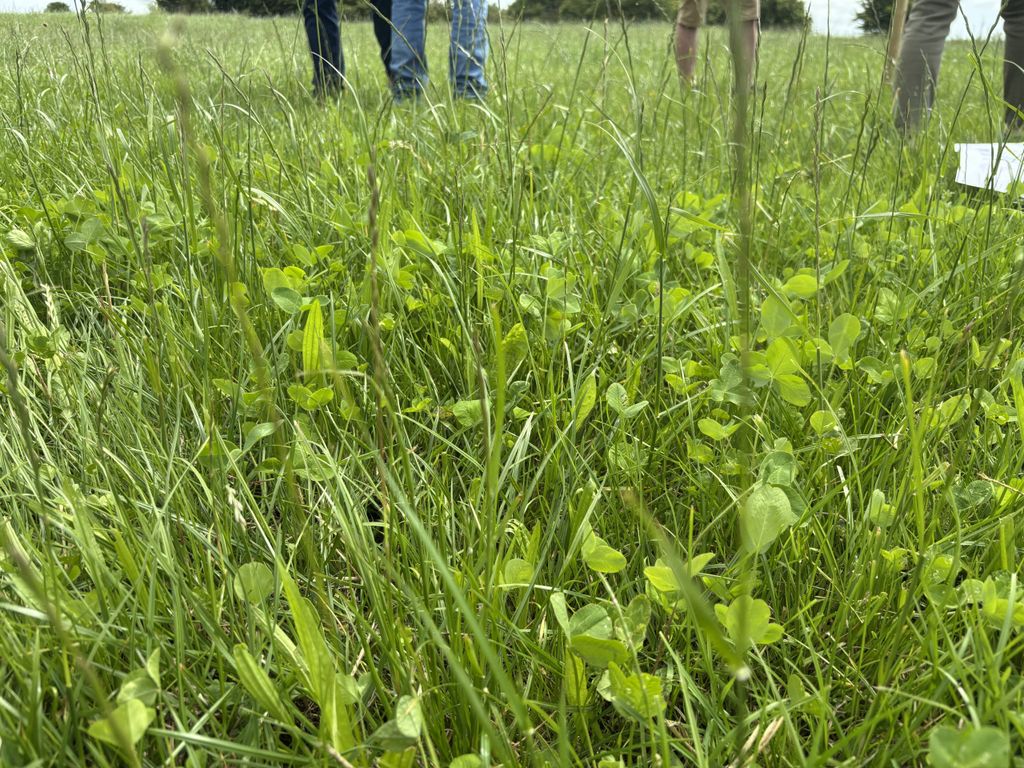
The family has being making strides in sustainability since 2018, with Eoin stating they started out with red clover back then and were also early adopters of multispecies pastures.
However, the ultimate decision to transition to a fully organic farm system can be traced back to pressure on the milking block.
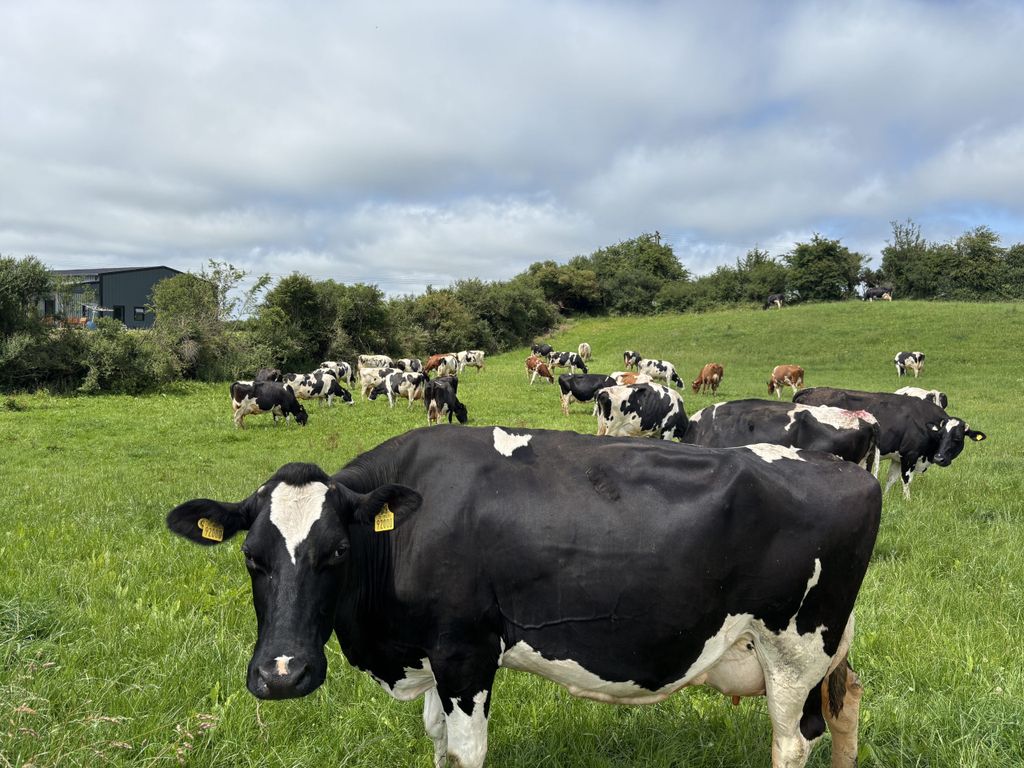
With only 15ha around the parlour, the Hennessy's feed bills were higher than the average, with concentrates and silage being used to buffer feed as compensation for the 5.06LU/ha stocking rate.
Since transitioning, the Hennessy's have witnessed a significant increase in price paid for milk, with national averages for organic milk sitting at 72c/L in the first six months of 2026.
Despite having to source and purchase organic feeds, the premium milk price has improved the farm's financials in a short span of time, making their operation far more viable.
Farm performance
The farm operates a 70/30 autumn/spring calving pattern, although they are moving toward 100% autumn calving rather than calving for six months of the year.
The herd is comprised of Holstein Friesians, weighing an average 700kg.
They are producing approximately 8,459L/cow at 4.19% butterfat and 3.54% protein, equating to 674kg of milk solids (MS) per cow, which is being supplied to Aurivo co-op, one of the three organic processors in Ireland.
According to the Irish Cattle Breeding Federation (ICBF), the average herd was producing 441kg/MS in 2025, while the top 20% of herds were producing 493kg/MS.
That shows the Hennessys are producing well above average, eliminating any chatter that organic farming impacts production.
Despite having clover and multispecies on the farm with a number of years and chemical fertiliser heavily reduced, Eoin still stated that he had to forget everything he knew about grass growth, as organic management is completely different.
The biggest change was managing the farm with zero chemical nitrogen (N).
Slurry
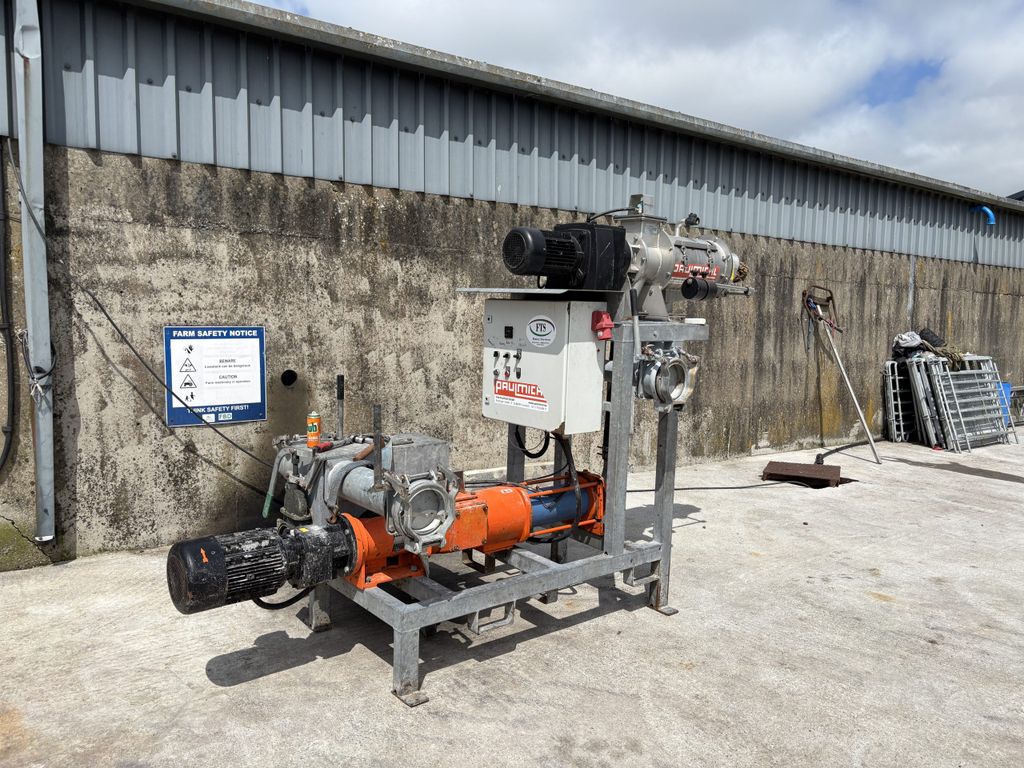
The Hennessys purchased a second-hand Paulmichl slurry separator in 2023 from FTS dairy services in Co. Kilkenny in a bid to optimise their slurry usage.
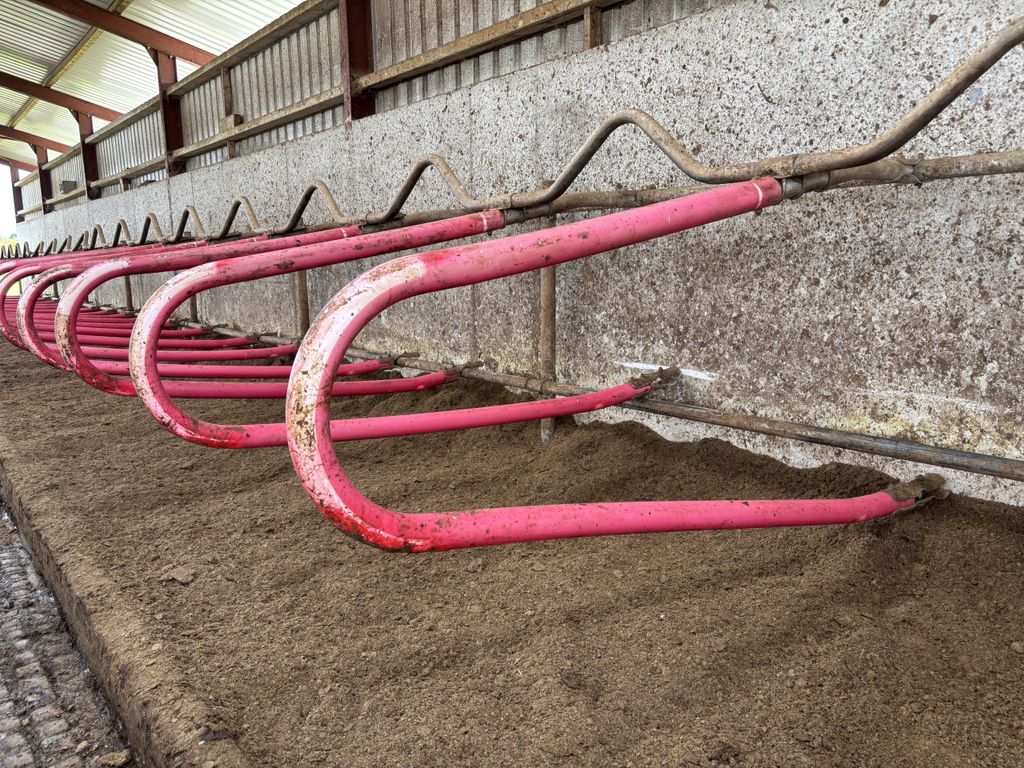
The liquids are spread on their grassland, while the solids are composted and used as organic bedding, a requirement for organic farmers.
When slurry is separated, there is a higher proportion of N left in the liquids, with between 15-17 units in every 1,000g, compared to the typical nine units in traditional slurry.
Eoin said they spread 2,000g of the diluted liquids on the silage block ahead of St. Patrick's Day.
Once the first cut is taken they wait two weeks for the clover to green up and make use of its natural ability, before hitting the paddock with 1,500g of the liquid.
After the second cut, they often spread a light cover of 1,200g, but at this stage clover content has increased and nitrogen is being fixed.
The liquidated slurry is only spread after third cuts if there is some left over in the yard.
Meanwhile, the grazing block gets 1,500g after the first rotation, and is only topped up from then on if needed.
Eoin admitted that their grazing pastures are not as dark green as conventional farms but said what they have 'suits us fine'.
Another factor to consider with slurry separating is that the majority of phosphorus (P) and potassium (K) do end up in the solid material.
However, the Hennessy's soil fertility is in a good state where it does not require much nutrients, they do spread any solid material not used for bedding on silage ground to replace the nutrients taken off.
Winter cover
Another challenge for the Hennessys with fully organic farming is finding the optimal winter cover.
Considering they have no urea to push on grass growth in the early spring, Eoin said they left heavier covers for the winter to ensure there was enough grass in the spring.
However, with the way the weather was this year, cows did not get out until April 1, at which stage clover had been crowded out. It has only started to recover now, which is far from ideal for an organic farm.
When it comes to reseeding and staying on top of clover and multispecies, the Hennessys have to graze pastures as tight as possible and as early as possible to stunt grass as the crop cannot be sprayed off.
They then over-sow onto the pasture and luckily do not have large weed burdens.
Diet
Over the last 12 months, the Hennessys have had to buy in 284t of organic feed at an average price of €559/t, this includes organic maize meal, organic soybean meal, organic rapeseed meal, and organic grain/legume mix.
The grain/legume mix is grown on contract by three organic tillage farmers in the Wicklow region, while 60 bales of organic straw is also bought in.
Despite only having 15ha on the milking block, the Hennessys farm has a total of 77ha, 62ha of which are in out-blocks used for heifer rearing and silage.
The main silage block is 80ac of red clover paddocks and is cut four times in the year, all going well. Additional paddocks taken bring their total silage cut up to approximately 400ac.
The Hennessys cut as early as possible while keeping a strong focus on quality.
Despite the challenging weather conditions, they got the first cut done on April 27 this year, and their second cut done just over three weeks ago.
They will be aiming to get the third cut in just over two weeks time and a final cut in late August/early September.
The first cut has not yet being tested, but last year's fourth cut came in at 82% dry matter digestibility (DMD), 18.8% crude protein, a metabolisable energy (ME) of 11.9MJ/kg DM, all at 32% DM, albeit Eoin reckons DM was closer to 28%.
Eoin said when they do not have enough grass to feed the herd, they switch their focus to replicating what should be in front of them, which means striving for as close to quality as possible.