Govt urged to align livestock VAT and farmer flat rates

The government has been urged align the livestock VAT rate with the farmer flat-rate addition in the upcoming budget by Aontú TD for Mayo Paul Lawless.
Speaking today (September 29), Deputy Lawless said: “This week, officials confirmed to us at the Oireachtas Agriculture Committee that the government has the power to fix the VAT anomaly being experienced by farmers.
“Since January, the flat-rate addition paid to unregistered farmers has been 4.5%, while VAT on livestock sold through marts stays at 4.8%.
“It's the first time since the scheme began in 1990 that the flat rate has fallen below the livestock rate.”
According to the Mayo TD, farmers selling through marts are losing the difference on every animal they sell, which he described as “not acceptable”.
The Irish Co-operative Organisation Society (ICOS) has said Budget 2026 created a negative anomaly regarding non-VAT registered farmers selling their livestock in the marts which does not occur if the transaction is completed privately between two unregistered parties.
Many farmers are not VAT registered, and when they sell their livestock through the mart, these farmers are being deducted 0.3% in VAT, which is the difference between the livestock VAT rate of 4.8% and the flat-rate addition VAT rate of 4.5%.
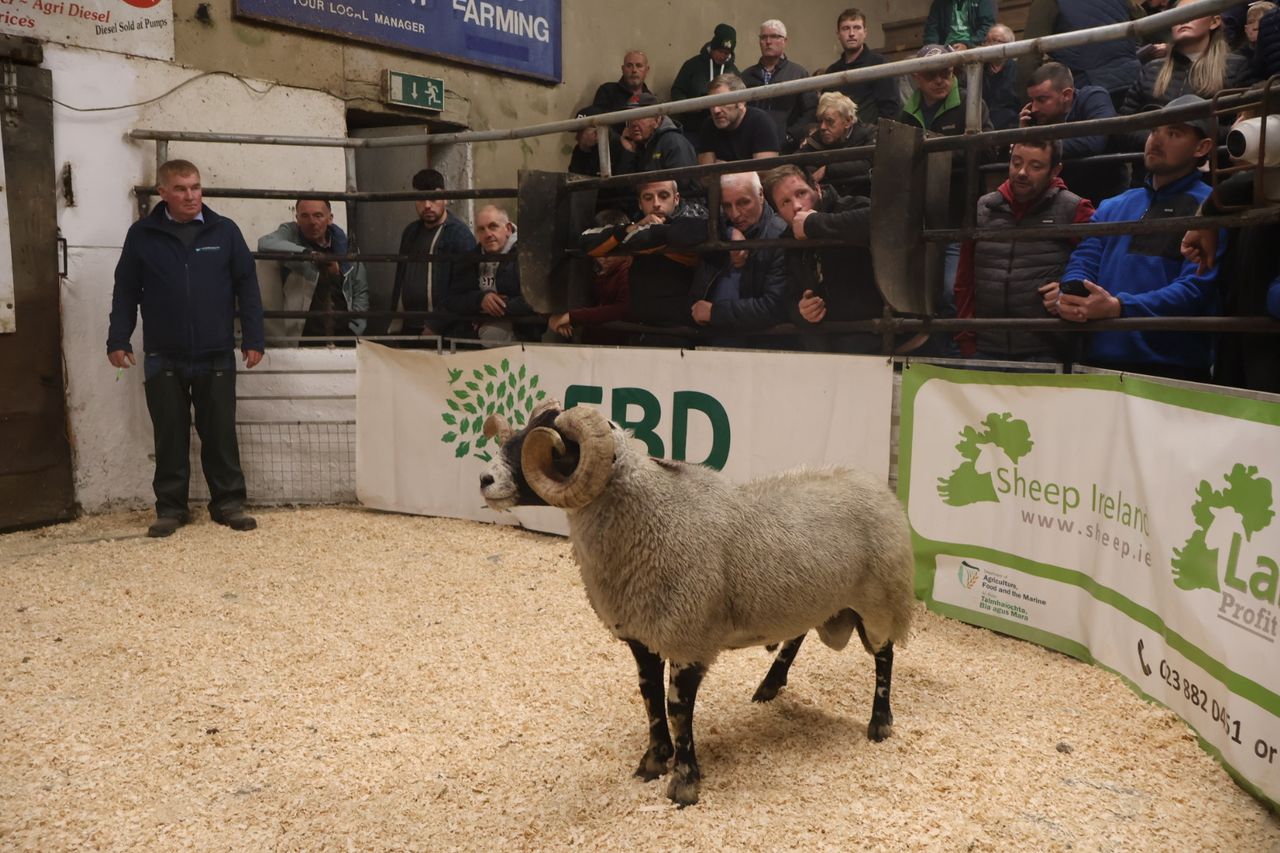
Mart
Deputy Lawless said: “A farmer spends 18 months rearing an animal.
“He pays VAT on the feed, the fertiliser, the diesel and the vet, and he can't claim a cent of it back.
“When he brings that animal to the mart, the docket comes back short.”
The TD said that this situation is the same on every animal, every sale, all year.
He added: “And the first thing he does is look at the mart and ask, 'What are ye taking off me now?'
“The mart isn't taking it. The state is.”
Deputy Lawless highlighted that ICOS told the committee that mart throughput is down 8-9%.
“When a farmer can sell privately and avoid the deduction, some will.
“Our local marts give farmers a fair price and guaranteed payment, and they're the heart of rural towns across Mayo.
“They're being put at a disadvantage by a quirk in the tax system," the Aontú TD said.
Livestock rate
Deputy Lawless added that EU rules limit what can be done with the flat rate.
However, he outlined that the livestock rate is a "matter for the government", and can be cut as long as it stays under 5%.
He said: “The solution is in the government's own hands.
“ICOS estimates that aligning the two rates would cost between €5 million and €8 million.
“That's a very small price for a fair deal at the mart, especially when last year's cut to the flat rate from 5.1% to 4.5% took €61.5 million out of farmers' pockets.”
The Aontú TD said that he is calling on the Minister for Finance, Simon Harris, to align the livestock rate with the flat rate in the forthcoming budget, and to keep them aligned.
“Farmers can't afford to keep paying for an anomaly the government has the power to fix,” Deputy Lawless said.
Sinn Féin
Separately, Sinn Fein's spokesperson on Agriculture and Food, Martin Kenny called on the government to adjust the livestock rate of VAT down in the forthcoming budget so that it is equal to or less than the flat rate of VAT.
The Sligo-Leitrim TD said: “This issue of the flat rate of VAT was discussed at the Joint Oireachtas Committee on Agriculture yesterday (September 23) where we had members of the department of Finance, Revenue and representatives from livestock mart organisations attending.
“In last year’s budget the government reduced the flat rate of VAT from 5.1% to 4.5% which according to a parliamentary question I asked, stated that this change in the flat rate of VAT will cost Irish farmers over €60 million this year.
“This has caused a lot of anger among farmers who have traditionally seen either no VAT charged or a small rebate of VAT given when they sell livestock in the mart."
He added that farmers have been "unfairly" penalised financially this year as a result of the government’s budget decisions last year, which he said needs to be rectified in Budget 27.