2026 Crops Forum: Tips on soil nutrients, varieties and finances

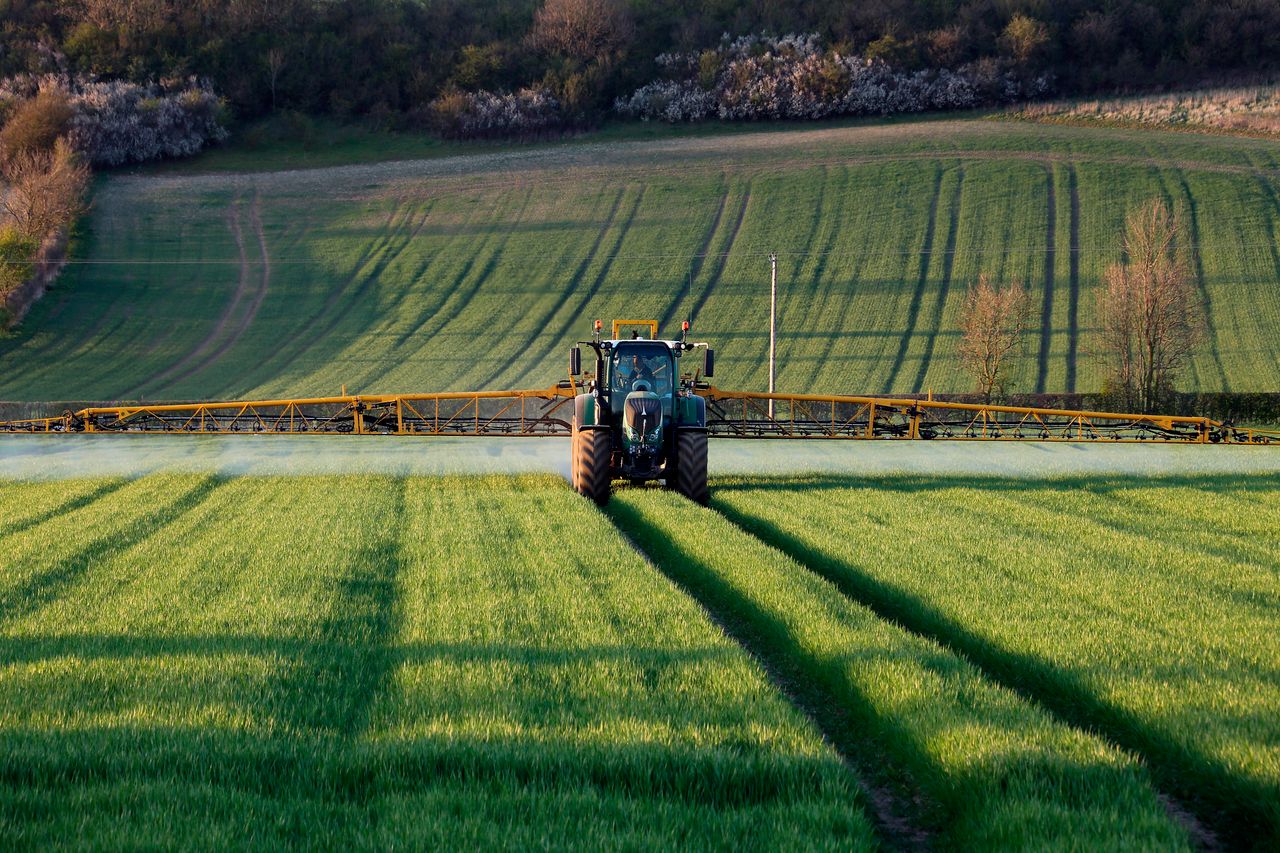
The 2026 Teagasc Crops Forum provided a unique opportunity for tillage farmers and specialists to come together.
It followed what has been one of the most challenging seasons for Irish crop production in living memory.
The event marked the launch of the Soil Cycle Project, a collaborative initiative focused on improving the use of livestock slurries in growing tillage crops, particularly winter cereals.
This project aims to increase nutrient use efficiency and provide growers with practical guidance on how best to utilise organic manures within cereal production systems.
Teagasc crops specialist and project leader, Ciaran Collins said the project will help farmers better understand how and when to apply slurry to growing crops in order to "maximise the nutrient value and financial return from these valuable organic resources".
Kilkenny farmer Andy O’Donnell is one of the participating farmers in the project.
He highlighted the value of slurries to his farm and the confidence he is getting by participation in the project.
O'Donnell said: “The project set-up is excellent, not only for participating farmers but also for neighbouring growers who can see first-hand how organic manures can be successfully incorporated into a tillage system.”
Variety choice
The forum also heard from Cara MacAodhain of the Department of Agriculture, Food and the Marine, who presented details of the recommended cereal variety lists for 2027.
Alongside agronomic performance data, MacAodhain outlined findings on yellow rust resistance in winter wheat varieties, stating:
“The results continue to show that selecting varieties with poor yellow rust resistance leads to more challenging crop management and can ultimately result in yield losses."
The importance of variety choice was further highlighted by Dr. Louise McNamara, entomologist at Teagasc Crops Research Centre in Oak Park, who presented research on Barley Yellow Dwarf Virus (BYDV) tolerance in recently introduced cereal varieties.
According to Dr, McNamara, the tolerance traits are performing well under Irish conditions.
She commented: “The data from Oak Park indicates that BYDV tolerance is providing growers with an important tool in managing the virus.
“However, early-sown crops are still likely to require insecticide intervention in most seasons to adequately manage risk.”
The finances of tillage
Courtesy of the forum, a key focus was placed on the financial challenges facing the tillage sector and how growers can improve profitability in an increasingly challenging economic environment.
Teagasc economist Trevor Donnellan outlined trends in farm profitability across the sector.
While family farm income per hectare was broadly similar across farms of different sizes, there were notable differences in how that income was generated.
He also highlighted that machinery costs have risen by 47% on tillage farms between 2020 and 2025, which is posing a significant cost to the industry.
Research on production systems was presented by Teagasc researcher Jack Jameson, who compared the financial performance of conventional tillage systems with lower-cost, non-inversion cultivation systems.