Alternative forage production to be trialled in 3-year study

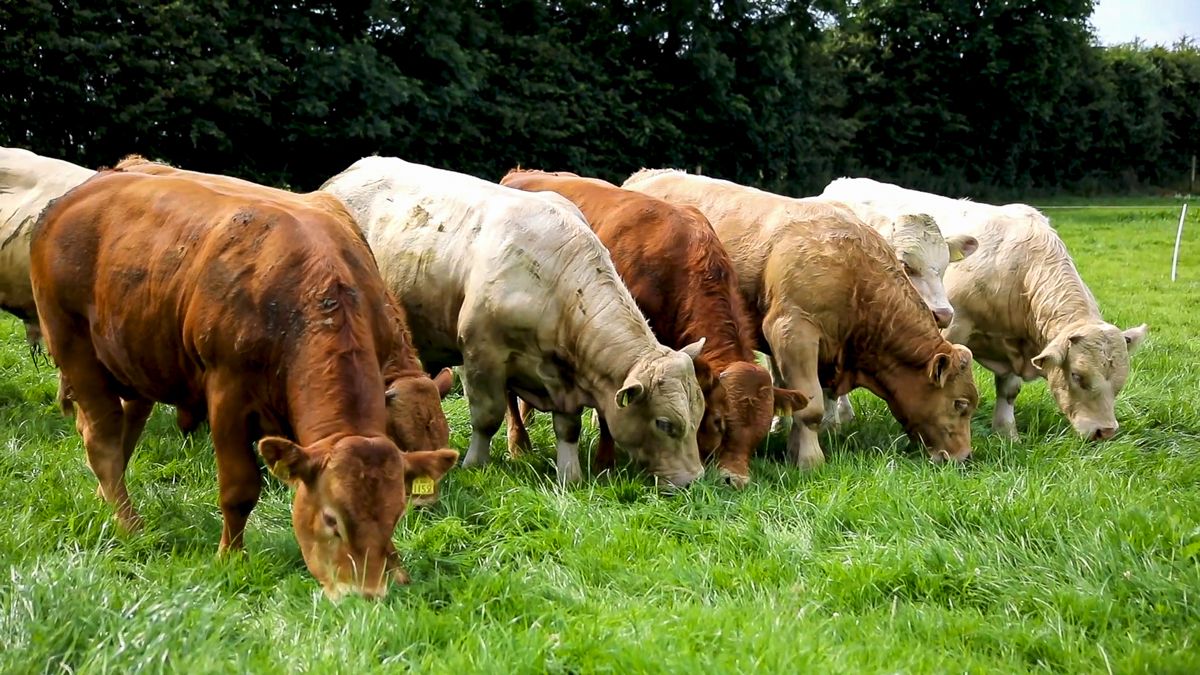
The potential role of alternative forages within livestock production systems is the subject of a research study by Agri-Food and Biosciences’ Institute (AFBI).
The work will centre on eight farms across Northern Ireland.
The three-year study, Forage-S, will look at how a mix of grasses and alternative forages perform under different weather and environmental conditions found on Northern Ireland farms, compared to perennial ryegrass monocultures.
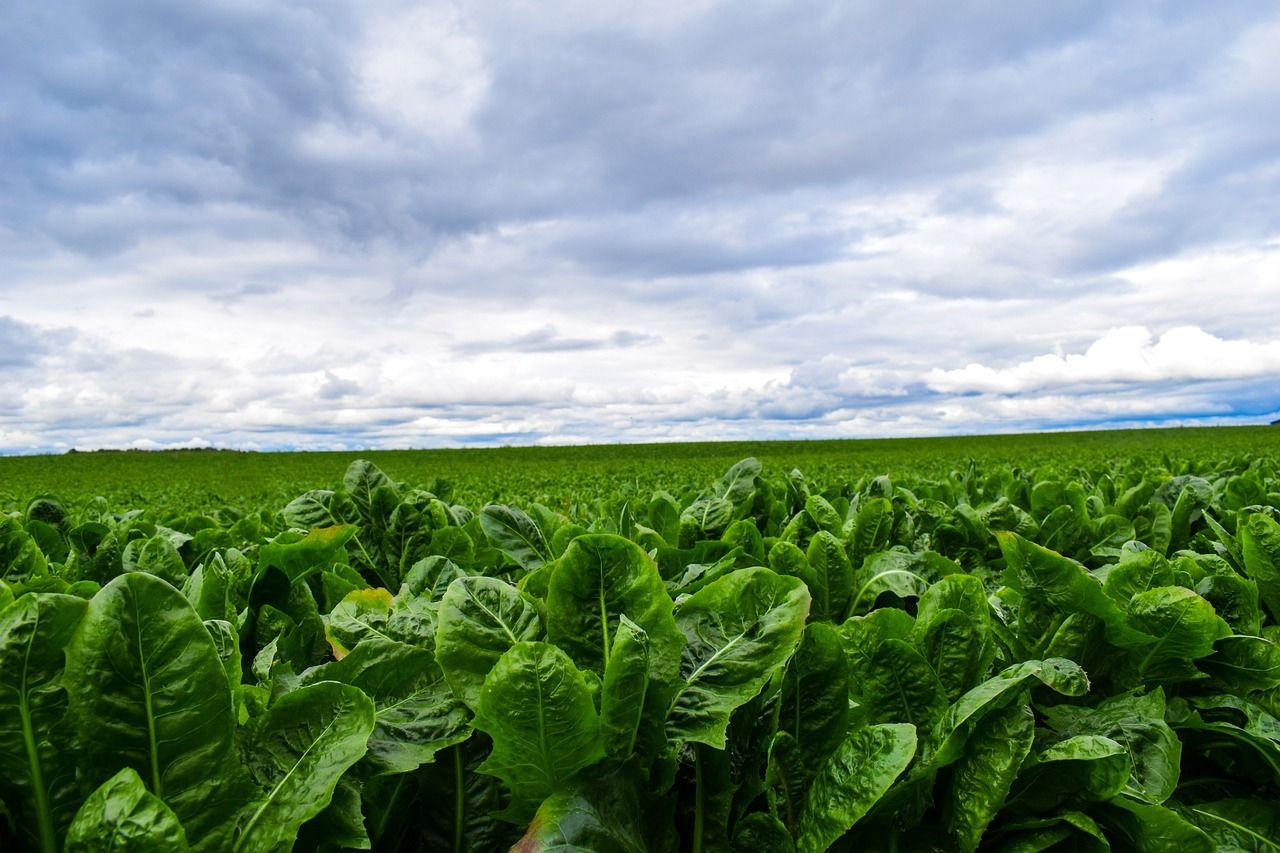
The alternative forages include legumes such as white and red clover and herbs such as chicory and plantain.
The project, which is being run in collaboration with the College of Agriculture, Food & Rural Enterprise (CAFRE) and AgriSearch, will investigate how soil type, weather and field management affect sward establishment and productivity over the lifetime of the project.
Forage-S will involve a diverse range of farms, including upland and lowland sites in in counties Fermanagh, Derry, Antrim and Down, AFBI Hillsborough’s research farm, and CAFRE’s Greenmount site and Hill Farm Centre at Glenwherry, Co. Antrim.
The other sites have been selected for their specific location, soil type and weather conditions.
Funded by the Department of Agriculture, Environment and Rural Affairs (DAERA), the project is led by Dr. David Patterson and Dr Aurélie Aubry from AFBI Hillsborough.
It also involves scientists from AFBI’s Newforge and Crossnacreevy research sites.
Dr. Patterson commented: “Forage-S aims to provide empirical evidence of alternative forages establishment, biomass yield, herbage quality and persistency in contrasting Northern Ireland soil/climatic environments.
“The work will be undertaken in a fully replicated study over three years, comparing sward productivity on eight farms spread across Northern Ireland."
According to the scientist, the data from the farms will be integrated into a simulation platform, using the AFBI GrazeGro growth prediction model, to provide "geographically explicit predictions" of alternative forage production.
It will also predict herbage quality of the various sward types and their associated uncertainty.
Dr. Patterson has confirmed that the results will be presented to farmers, in collaboration with CAFRE and AgriSearch, to help them make better decisions about managing their grassland in different farming situations across Northern Ireland.
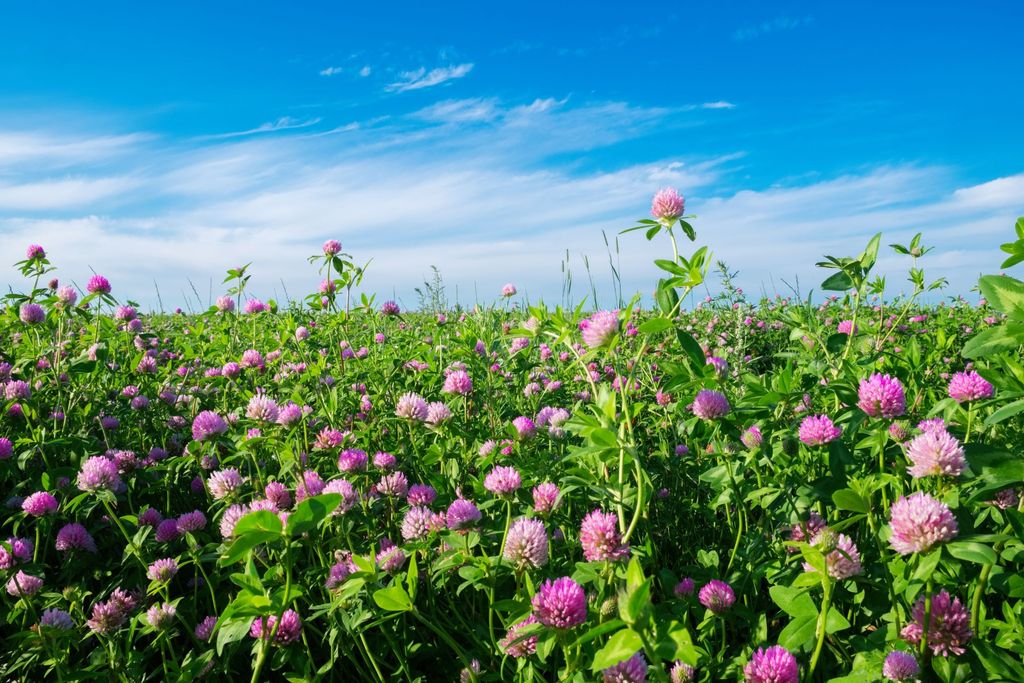
Recent years have also seen a growing interest in grassland famers establishing crops of red clover.
Dr. Patterson said: “Red clover can fix up to 200kg of nitrogen per hectare from the air on an annual basis.
"Crops have the potential to produce up to 15t of dry matter per hectare, again ion a dry matter basis.
“High animal intakes and comparable levels of animal performance can be achieved while the growth profile of red clover will act to improve soil structure.
"This level of clover output is achieved on the back of up to four silage cuts in the same season.”
Dr. Patterson noted the lack of persistency of red clover as one of the downsides associated with the crop.
“It can be difficult to ensile, crops are problematic from a grazing perspective and a four-year break is needed between crops of red clover that are established in the same field.
“Four years is the optimal period over which a red clover sward will deliver productive yields
"After that it is a case of moving on to new ground," he said.