Global conference in Dublin hears demand for wood to rise by a third
Demand for wood products globally is set to increase significantly over the next 25 years, a conference in Dublin has heard.
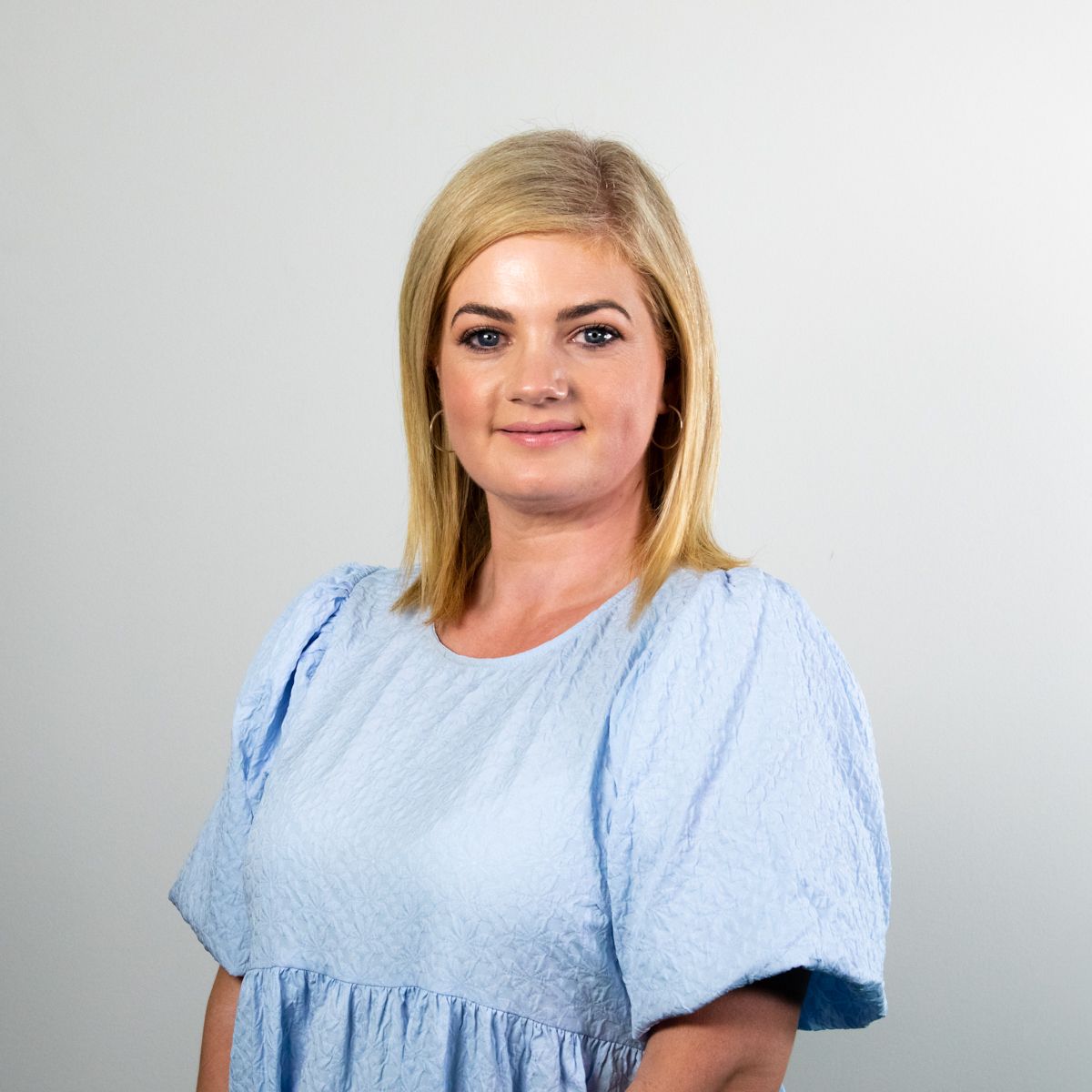
Minister of State at the Department of Agriculture, Food and the Marine with responsibility for forestry, farm safety and horticulture, Niall Collins, opened the International Softwood Conference in Malahide, Co. Dublin today (Thursday, October 29).
The annual meeting brings together representatives from the forest sector from across the world to discuss the challenges and opportunities of the sector.
The conference is organised jointly by the European Timber Trade Federation (ETTF) and the European Organisation of Sawmills (EOS) and is being held in Ireland for the first time.
Minister Collins stated: “This conference recognises the importance of softwoods in providing renewable and sustainably grown timber for construction.
"Sustainable forest management is at the cornerstone of Ireland’s forest sector and softwoods are a driver of this sustainable forest management.”
Forestry
Ireland's forest sector processed over 5,000,000m³ of timber in 2025.
The timber comes from state forests and from over 24,500 forest owners providing rural employment.
Exports of Irish coniferous timber totalled €184.3 million in 2025.
Minister Collins continued: “The sectors represented at this week’s conference play an important role in providing timber which has the capacity to significantly decarbonise the building environment and supports international trade that delivers a wide range of products across the world through the pallet and wood packaging sector.
"There is growing demand for softwood timber and this presents important market opportunities for the Irish timber sector and forest owners.”
The United Nations State of Worlds Forest Report in 2026 presented at the recent FAO Committee on Forestry in Rome states that global demand for wood products is projected to increase by roughly one-third by 2050, particularly in emerging economies.