Irish sheep farmers urged to prioritise spring vaccinations for bluetongue


The Irish sheep sector will be facing into a major bluetongue challenge next year, according to one leading veterinarian.
Phillipa Page, a former president of the Sheep Veterinary Society, highlighted the matter in her address to the AgriSearch Flock Focus 2026 event in Co. Tyrone.
She explained: “Bluetongue 3 was identified in flocks across the south-west of England during the early summer of this year.
“During the period July to September, the disease spread up the west coast of England into Wales and by September it had reached the south-west of Scotland.
“It is these Scottish flocks that pose a real threat to the Irish sheep industry in 2027.”
The Cotswolds-based veterinarian confirmed that bluetongue-infected midges can easily make their easy across the Irish Sea once numbers start to increase next summer.
She continued: “Timely vaccination is the only way to deal with a bluetongue outbreak.
"And this means vaccinating sheep in the spring period prior to midge populations taking off.”

Experience in Britain during 2026 confirms that waiting until the disease has actually arisen is too late, when it comes to taking a vaccinating approach, the vet said.
Page outlined: “At that stage, the damage has already been done.
"Treating the physical disease is an extremely expensive option, as many flock-owners in the south-west of England found out to their cost earlier this year with vet bills amounting to multiples of thousands of pounds per month.”
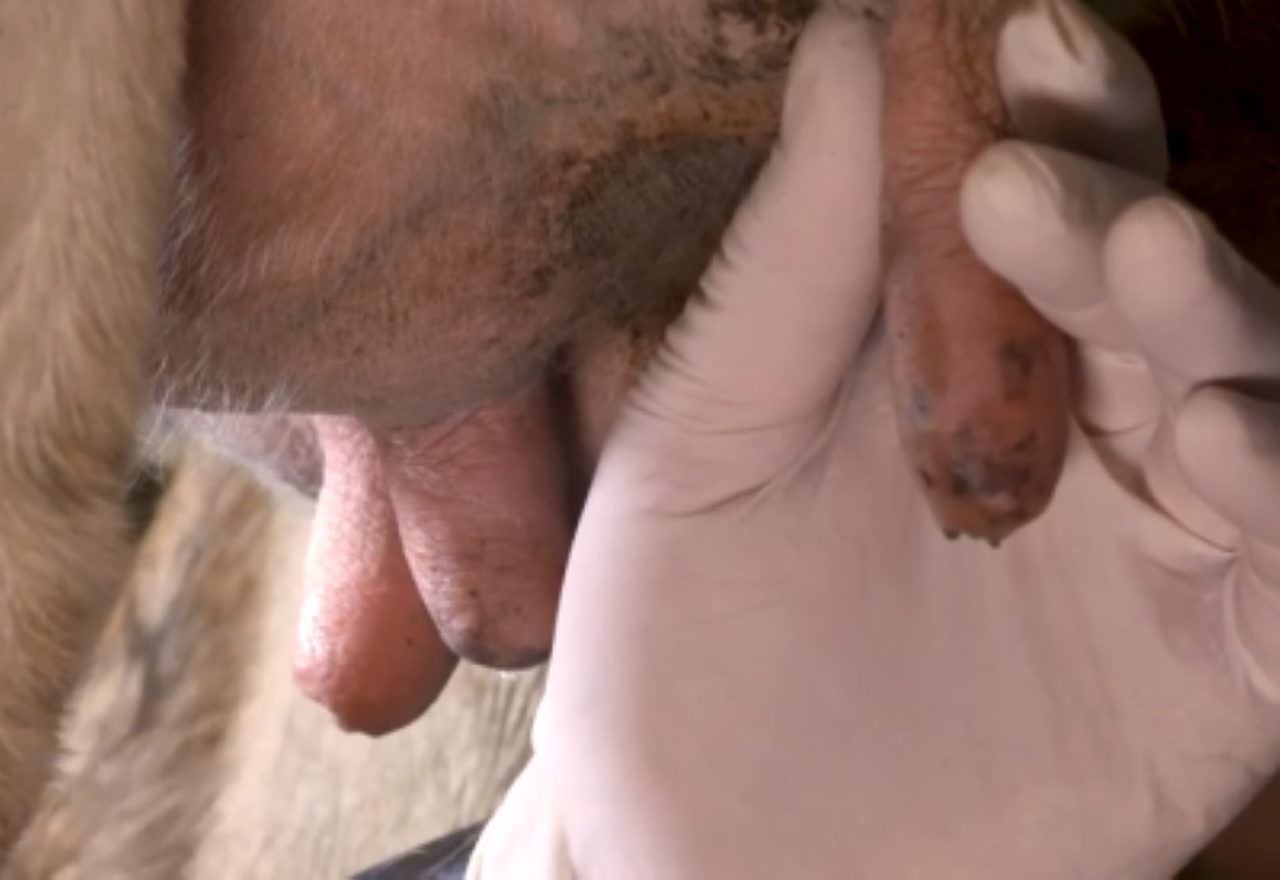
Significantly, ram infertility has now been recognised as an important symptom of bluetongue.
She said: “On average, this issue will arise amongst 50% of rams within infected flocks.
“So we will see how this issue impacts on UK lamb numbers next spring.”
The veterinarian’s key message from the AgriSearch event was that bluetongue vaccination should be made a flock management priority in 2027.
Climate change impact
More generally, there is a growing concern that climate change is allowing midges and other disease vectors to overwinter throughout the UK and Ireland.
Heavy winter frosts, which would normally kill-off these pathogens, are fast becoming a thing of the past.
As a result, animal bedding becomes a very suitable ‘home’ for these disease-carrying organisms.
This now means that certain diseases are becoming year-round threats to the sheep sector.
All of this is developing at a time when increasing pressure is coming on the use of antimicrobials and other veterinary medicines.