EU beef production forecast to fall by 2.2% in 2026

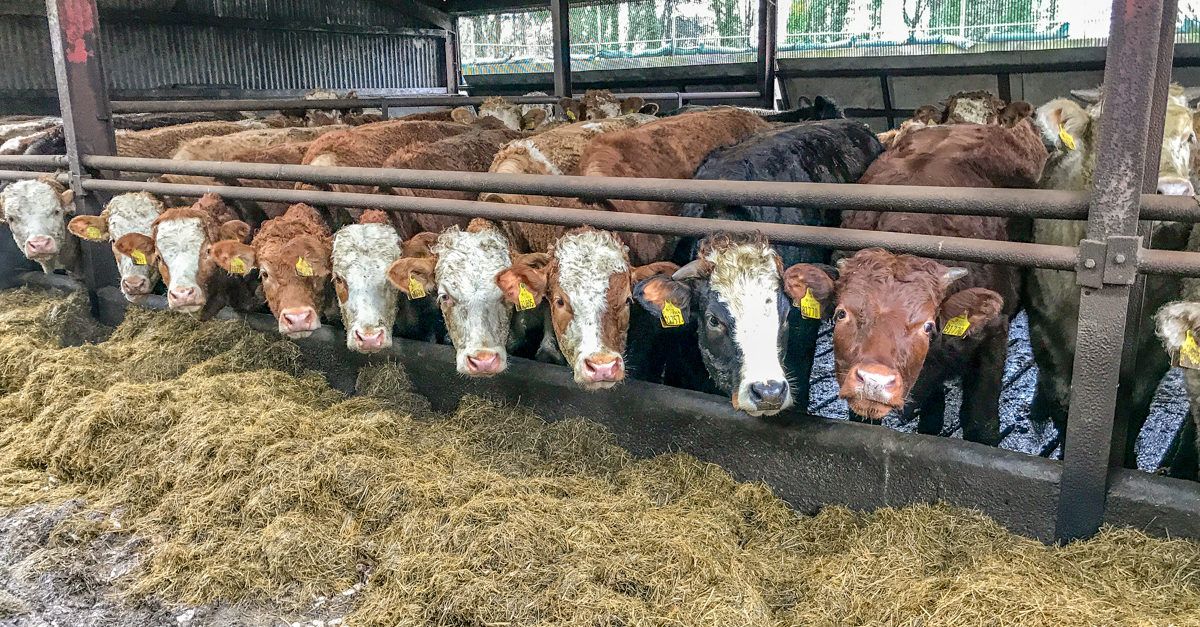
The European Commission is now forecasting that beef production across the EU is facing a 2.2% year-on-year derease in 2026.
In its updated short term outlook, the commission pointed to "continued herd adjustments and structural pressures in the sector" as the reasons for the decline.
Extreme heat and drought reduced grassland productivity and increased feed costs for livestock farmers over the summer.
"Farmers also had to spend more on mitigation measures, including cooling systems and water management, raising overall production costs," the report said.
Beef
The commission expects beef exports to fall by 2% this year, but the reopening of the Turkish market has provided some support, with shipments to Turkey rising by 53%.
Beef imports into the EU are projected to increase by 5%, due to a frontloading of Brazilian supplies.
The EU suspended imports of Brazilian beef and poultry from September 3, 2026, due to concerns over Brazil's compliance with EU requirements on the use of antimicrobials.
As previously reported by Agriland, 27,440t of beef worth €194 million was brought into Ireland between January and August 2026.
This compares with imports of 24,182t during the same period in 2025, which were valued at €166 million.
This represents a year-on-year increase of 3,258t or 13% in terms of volume or a jump of €28 million or 17% in value.
Meat
The report also outlined how EU pigmeat production is expected to increase slightly, by 0.5% year-on-year in 2026.
Total exports are projected to decline by 0.5%, as a 32% reduction in sales to China will only be partly offset by strong growth in exports to South Korea (+53%).
African swine fever (ASF) outbreaks are also affecting trade patterns and market confidence.
The EU sheep and goat sector remains under pressure, with production projected to decline by 4.4% compared to 2025 levels. Live exports are expected to fall by 3%, while meat exports could increase by 5%, supported by demand from Algeria and the UK.
Production in the poultry sector is projected to rise by 3.3% year-on-year.
Imports are set to grow by 17.1%, driven mainly by increased shipments from Brazil (+55%) and Ukraine (+23%). Exports are expected to increase by 1%.
Dairy
While the summer droughts and heatwaves put pressure on dairy farms with increased input costs, EU milk supply was up 3.4% year-on-year until June.
The commission said the "current stable market situation" suggests that EU milk production will not decrease sharply in the remaining months of 2026.
This will result in a significant year-on-year increase in 2026 of 1.8%, the second significant year-on-year increase in a row.
Cheese exports could increase by 3%, while whey powder exports could reach a similar level as 2025.
"EU exports of butter and skimmed milk powder (SMP) could increase in 2026 (+20% and +10%), amid higher EU supply and competitive SMP prices.
"On the other hand, whole milk powder (WMP) production will likely further decline in 2026 (-3.1%), although exports may stabilise (+1%) after the decline of 2025," the report said.
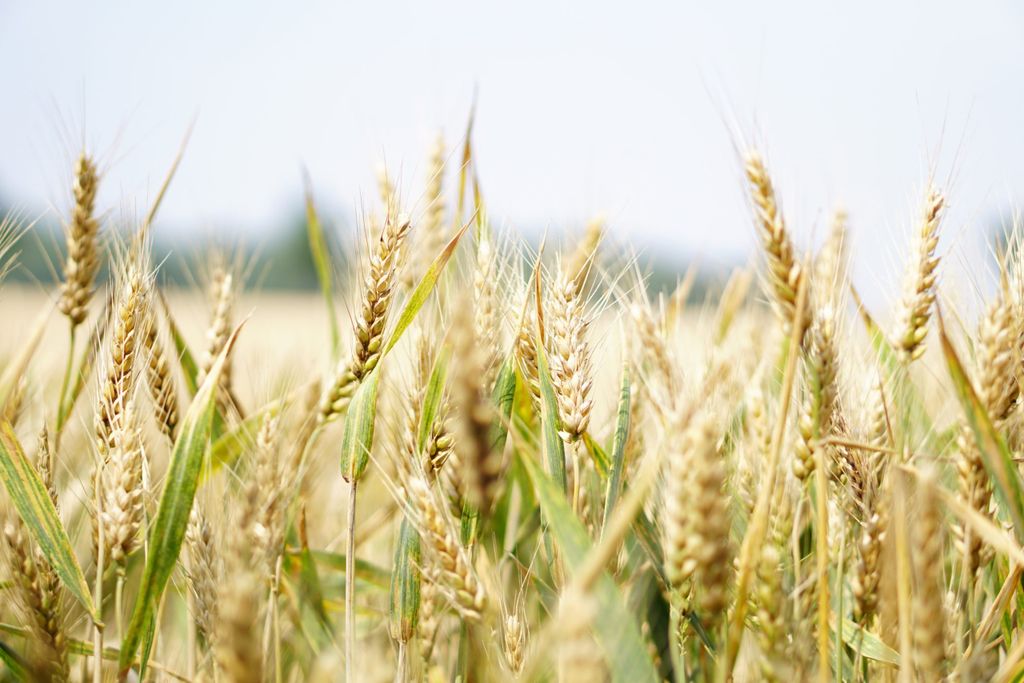
EU cereal production in 2026/2027 is estimated at 262 million tonnes, down 9.6% year-on-year and 4.7% below the five-year average.
Maize has borne the burnt of the impact of extreme heatwaves and drought with EU production expected to fall 20% below the 5-year average to 48.5 million tonnes.
As a result, imports of maize in 2026/2027 are projected to increase to 25 million tonne, up 5.7 million tonne from the 2025/2026 level.
Overall, net exports of cereals in 2026/2027 are projected at 10.2 million tonnes, compared to 18.1 million t in 2025/2026.
EU oilseed production in 2026/2027 is estimated at 31.3 million t, or 0.3% below 2025/26, but 1.8% above 5-year average.