Beef and veal exports to Turkey boost EU agri-food trade


The EU agri-food sector increased its positive trade balance in the first eight months of 2026, with a cumulative surplus of €34.7 billion, €4.1 billion higher than the same period in 2025.
Cumulative exports for January–August totalled €157.7 billion, broadly stable year-on-year.
This was as value increases across several product categories offset lower exports of olive oil, pig meat and cocoa products.
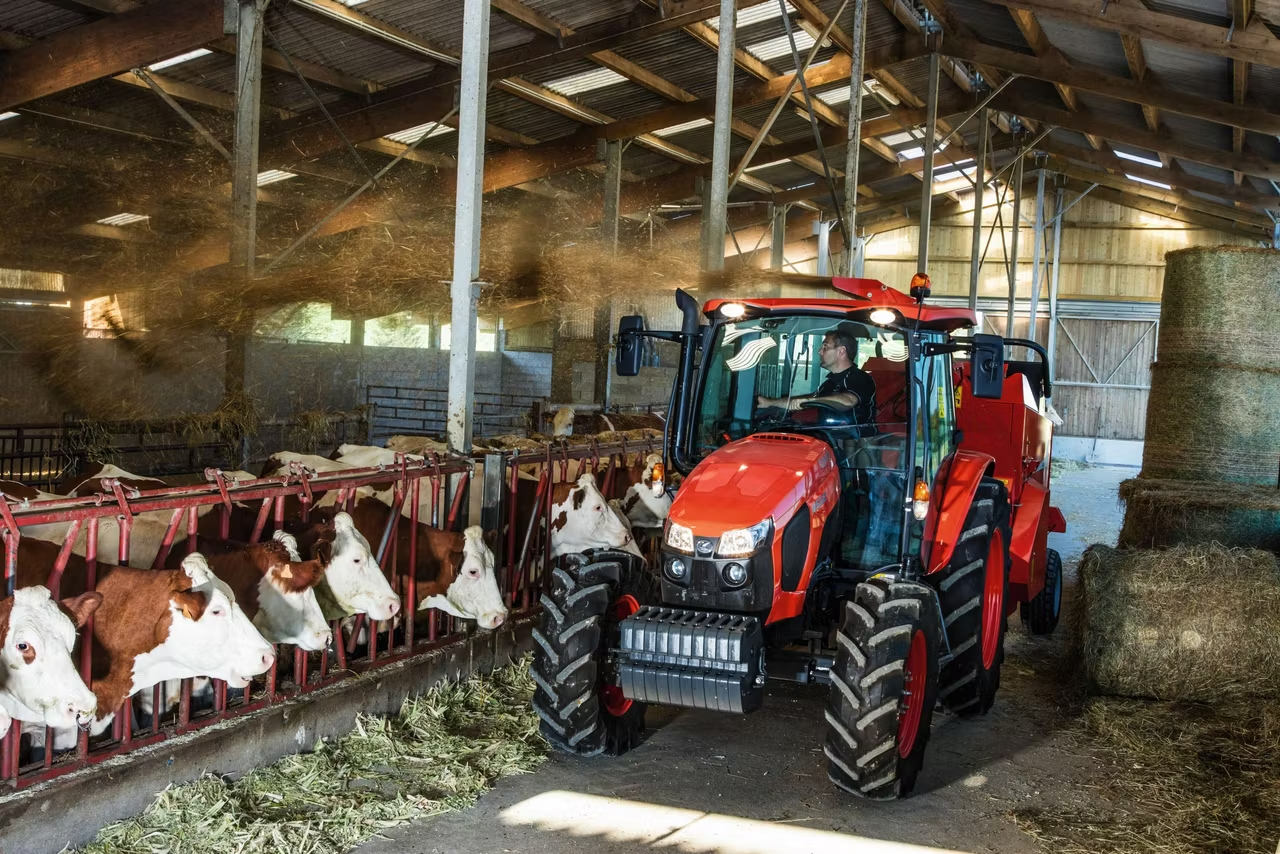
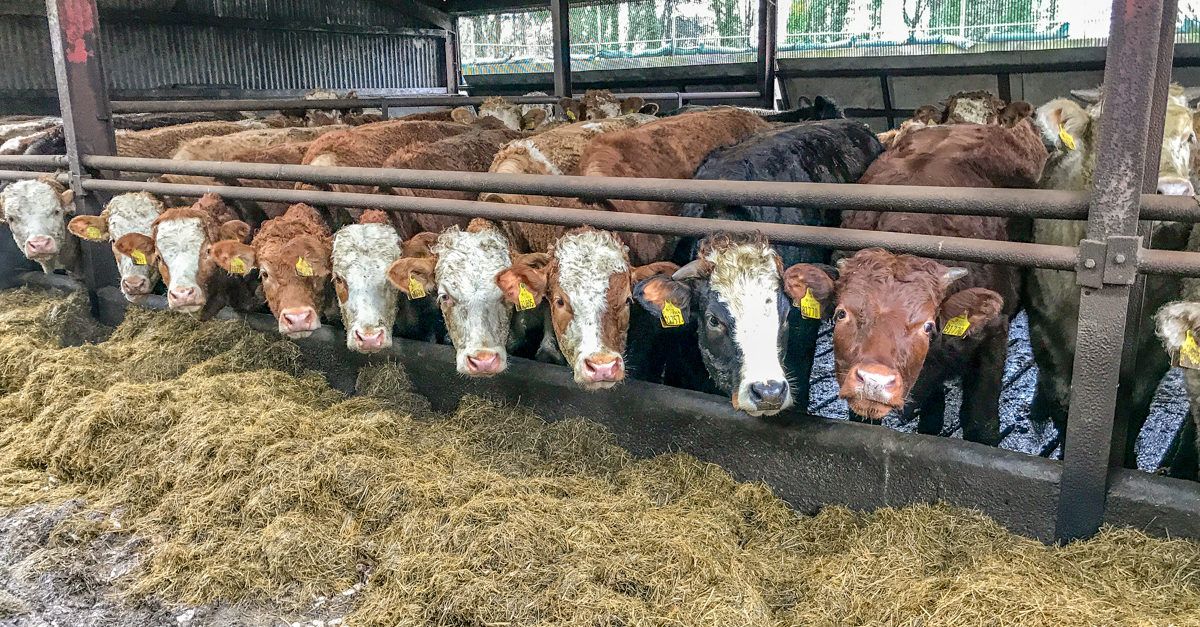
Exports to Turkey increased by €320 million (+8%), mainly due to beef and veal shipments, while exports to India rose by €253 million (+29%), driven largely by sunflower oil.
Exports to Gulf countries recovered to average levels in August following earlier disruption.
Among product categories, worldwide exports of spirits and liqueurs rose by €583 million (+11%).
By contrast, exports of coffee, tea, cocoa and spices fell by €1.4 billion (-16%).
Cumulative imports stood at €122.9 billion, down €4.5 billion (4%) year-on-year.
The decrease was due largely to a fall in import values from major cocoa-producing countries as cocoa prices continue to fall.
Imports from Cote d’Ivoire decreased by €1.4 billion (-22%), while those from Cameroon and Nigeria fell by 46% and 47%, respectively.
Among product categories, imports of coffee, tea, cocoa and spices fell by €5.5 billion (-19%).
By contrast, imports of fruit and nuts increased by €825 million (+4%), while imports of non-edible products for technical use and margarine and other oils and fats also recorded increases.
August EU agri-food exports and imports
In terms of the latest available data, in August 2026, the EU exported €19 billion agri-food products, 11% less than in the previous month and 7% above August 2025.
The EU imported agri-food products worth €13.9 billion in August, down 9% from the previous month and 3% below last year.
Cumulative 2026 imports declined by 4% year-on-year, driven by lower prices of cocoa products.
Imports also contracted for cereals (particularly wheat and rice), as well as for dairy products.
The largest increases in imports were for fruit and nuts, and non edible products.