Fodder beet harvest 'half-way through' in Co. Kilkenny


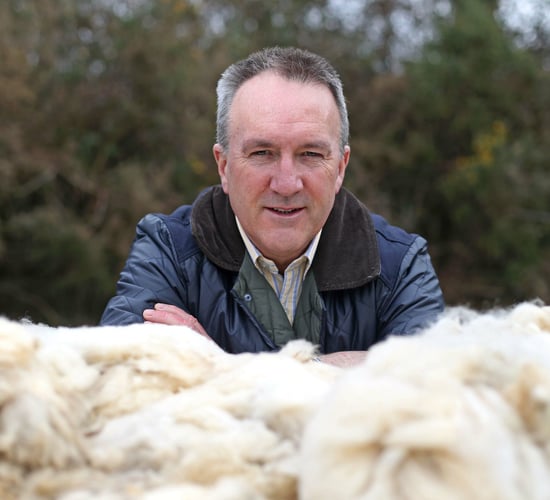
Late harvested fodder beet crops are yielding well, according to Co. Kilkenny grower and contractor, Edward Delahunty.
He told Agriland: “Fodder beet and maize crops grown in 2025 have performed well. They got both the heat and moisture they needed, when required.
“And there remains a strong demand for alternative forages within the dairy and beef sectors.
Delahunty said they bale a significant proportion of their maize, "for which there is a strong demand", using a static baling system.
“The bales are approximately 900kg in weight. Our maize this year averaged 30% dry matter and 30% starch.
“The bales sell from the yard at €90 each. Demand remains very strong."
Delahunty also outlined how the fodder beet harvest is progressing.
“Our fodder beet crops performed particularly well in 2025. We are half-way through the harvest at the present time," he said.
Teagasc is confirming that fodder beet crops lifted over recent days are averaging 35t/ac with some yielding up to 40t.
Markets for alternative forages
Looking ahead, Delahunty is strongly urging growers of alternative forages to have a strong market for the maize and fodder beet crops they plant out in 2026.
He explained: “Dairy incomes in particular are likely to come under pressure over the coming months.
“So it’s important that tillage farmers growing alternative forages have customers identified from the get go.
“The days of growing any crop on a speculative basis are over.”
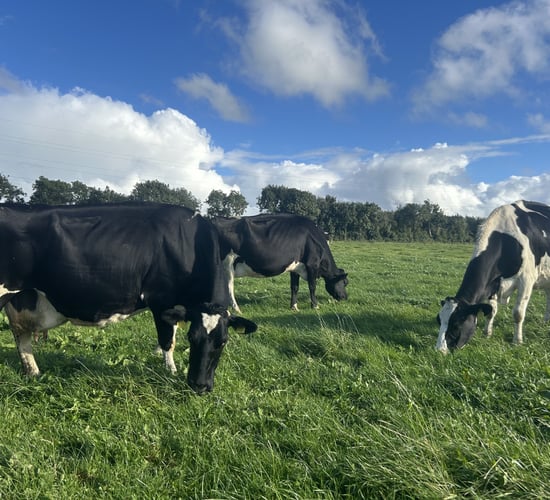
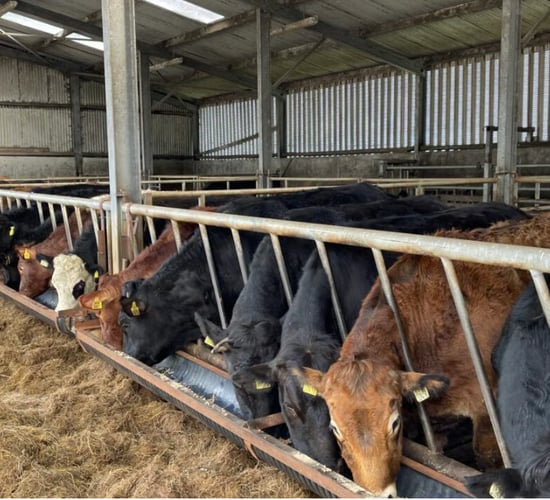
There is a general consensus, however that dairy and beef farmers using both maize and beet are identifying key performance benefits from the inclusion of these forage sources in animal rations.
This level of recognition may well serve to maintain a strong interest in both crops, from both a growing and utilisation perspective.
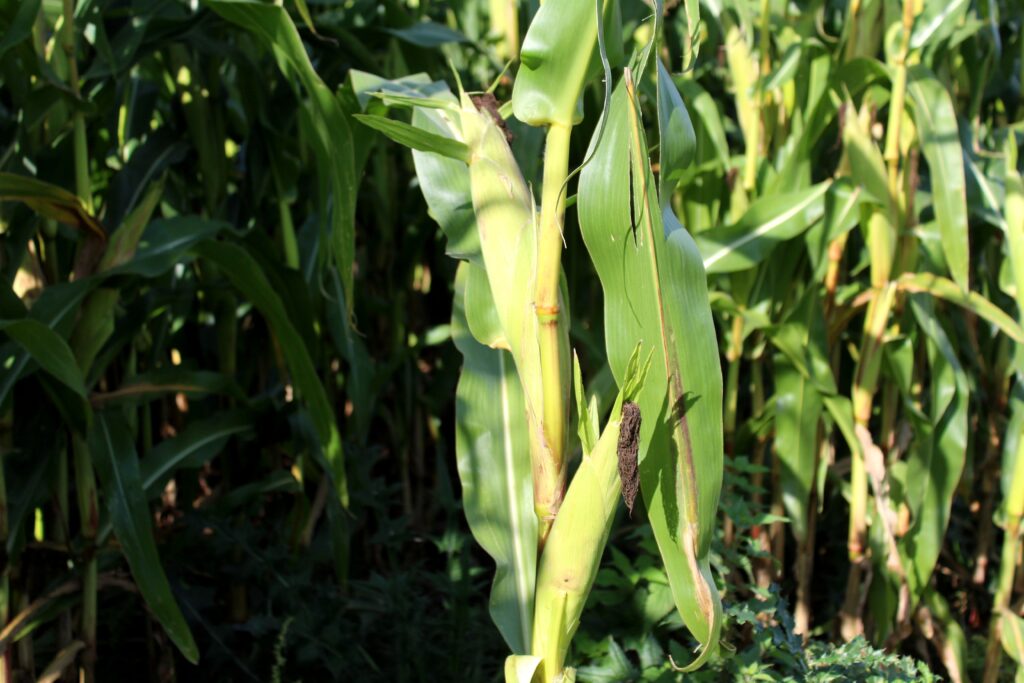
Adding to the cause of forage maize is the continuing availability of new varieties that are particularly suited to Ireland’s climate and soil conditions.
As a consequence, many crops can now be harvested in September, as opposed to late October.
Earlier harvest dates more fully complement the sowing dates followed on tillage farms when it comes to the planting of winter cereals.
At a fundamental level, both forage maize and fodder beet act to boost overall dry matter incomes that can be achieved with livestock rations.
And this factor alone is key to driving milk output and daily growth rates.
Winter cereals
Meanwhile, Delahunty has also confirmed that all winter cereal crops are looking very well at the present time.
“The wheat and barley received a tremendous start,” he stated.
“Spraying for weeds in some of the crops will be a priority over the coming days."