Farm Survey: 'Sharp' increase in number of viable farms in 2025


Due to the general rise in farm incomes in 2025, the proportion of viable farms "increased sharply" last year, according to Teagasc.
Data in the Teagasc National Farm Survey, published today (Monday, July 6), indicates that 54% of the farm populationrepresented by the survey was classed as being economically viable last year.
A farm business is defined as being economically viable if family farm income is sufficient to remunerate family labour at the minimum wage in 2025 (which is assumed here to be an annual figure of €24,300 per labour unit) and provide a 5% return on the capital invested in non-land assets.
It follows that farms with relatively modest incomes can be viable if the labour input and capital investment is low, Teagasc said.
Similarly, farms with seemingly large incomes may not be viable if there is a substantial labour input and/or significant capital invested in machinery and livestock.
Farms that are considered to not be economically viable, but which have an off-farm employment income source within the household (i.e. either the farmer or spouse are employed off-farm) are considered to be economically sustainable.
Farm households are considered to be economically vulnerable if they are operating non-viable farm businesses and neither the farmer nor spouse has an off-farm job.
Rise in farm incomes
Due to the general rise in farm incomes in 2025, the proportion of viable farms increased sharply in 2025, up 11 percentage points.
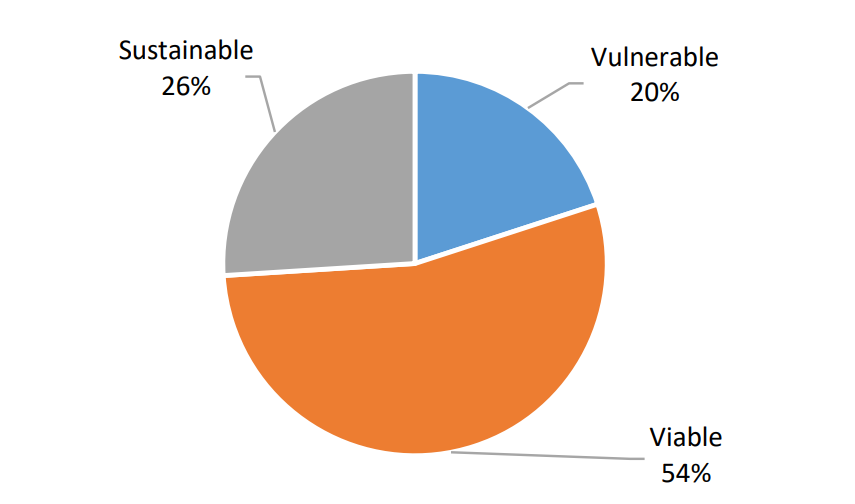
Reflecting the movement of farms into the viable category, the proportion of farms categorised as sustainable (due to the presence of income from off-farm employment) decreased to 26% on average.
The proportion of vulnerable farms decreased to 20%.
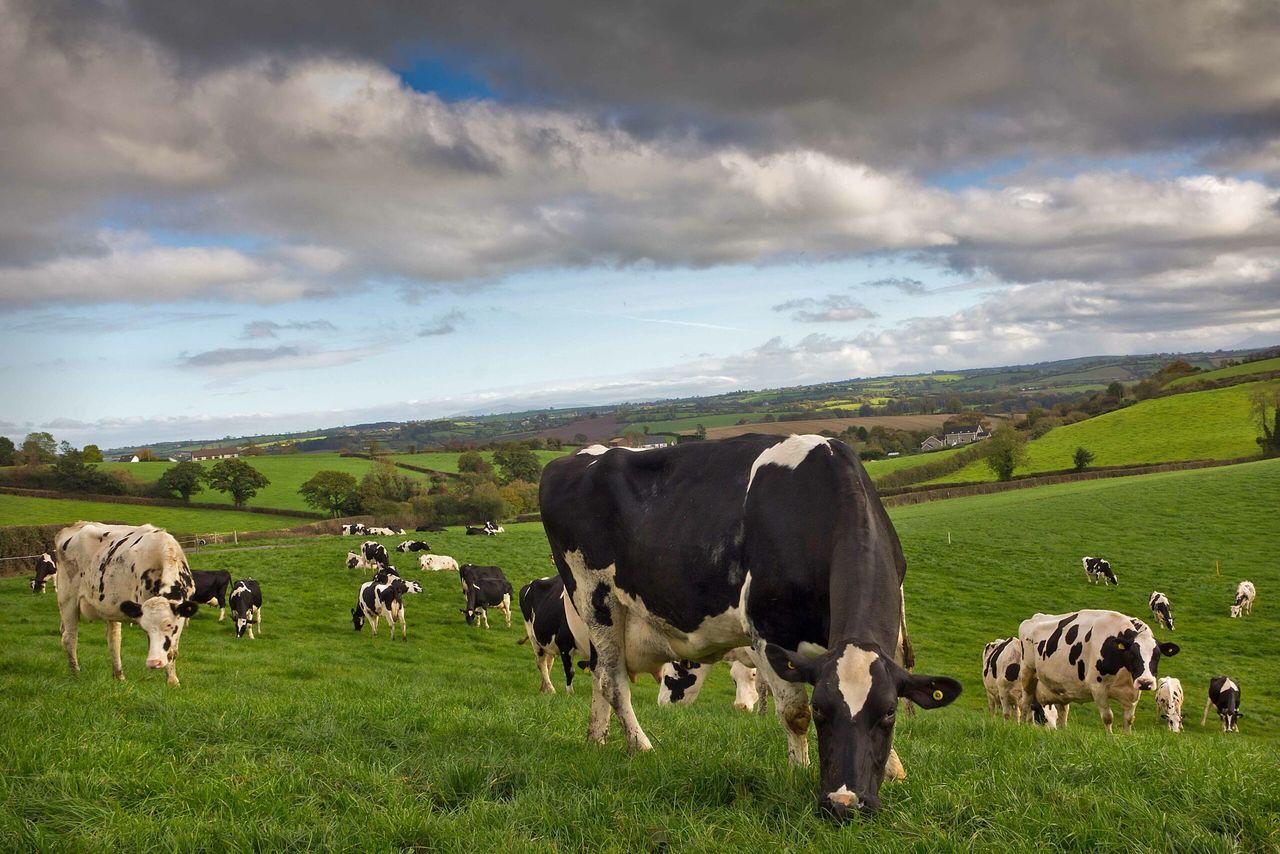
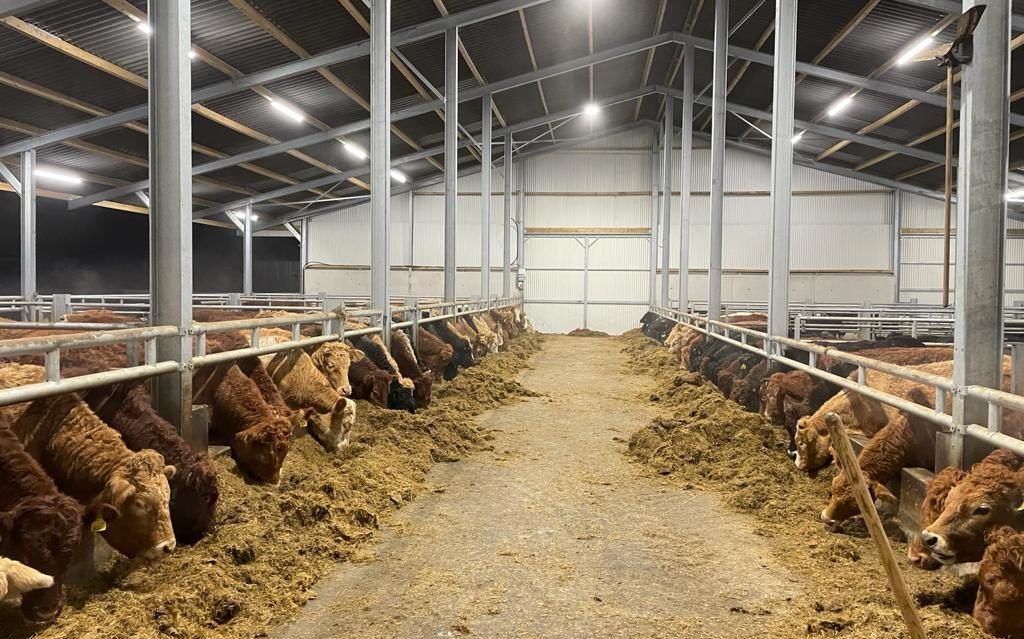
The data indicates that there were just over 13,700 viable dairy farm businesses in Ireland in 2025, with just over 7,800 cattle rearing farms and close to 15,800 cattle other farms considered viable.
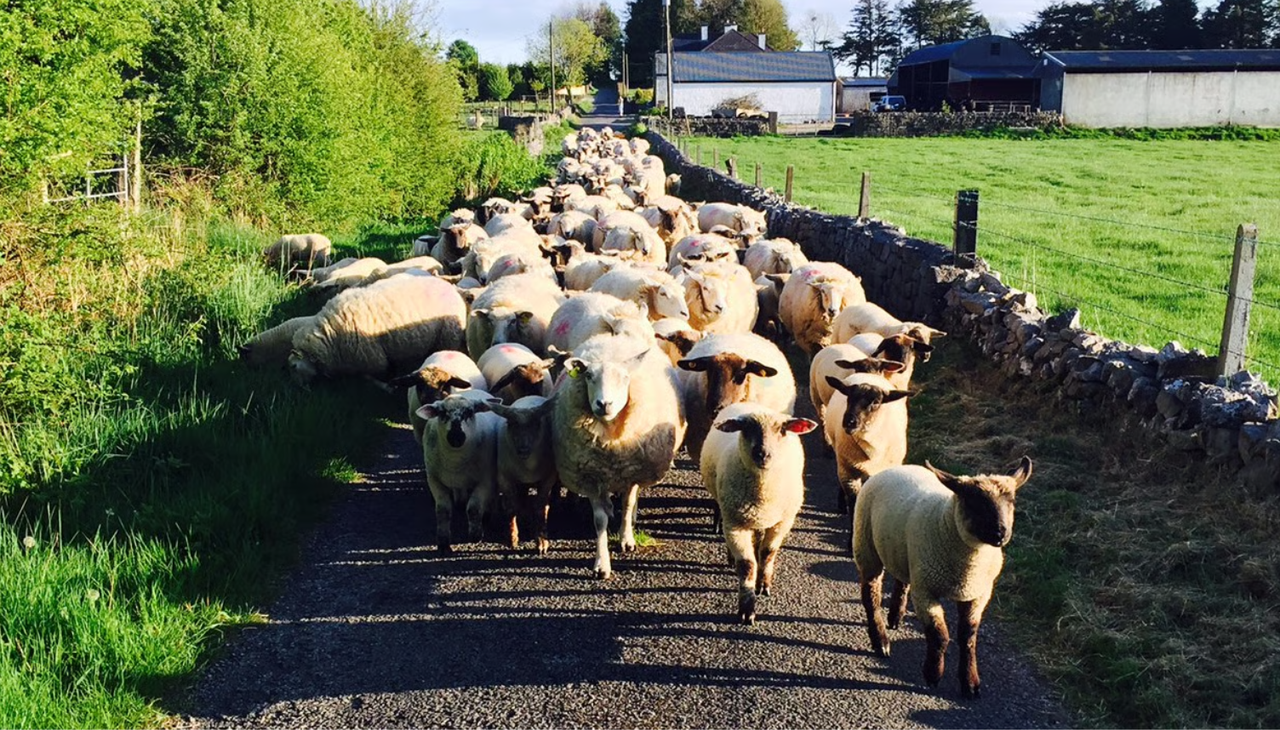
The number of viable sheep farms remained relatively stable at about 5,600 in 2025, with just over 4,000 tillage farms similarly considered viable.
Overall, close to 48,000 of the 88,000 or so farms represented by the National Farm Survey were considered viable in 2025.
Variation across systems
The viability of Irish farms varies across systems, with a sharp contrast between the share of dairy farms categorised as viable compared to other farm types.
In 2025, 91% of dairy farms were found to be viable, reflective ofthe sharp improvement in dairy farm incomes in 2025.
The proportion of dairy farm households deemed to be sustainable, due to the presence of an off-farm income source within the household, decreased as a result to 6% from 9% in 2024.
Similarly, the proportion of dairy farms considered vulnerabledecreased from 9% in 2024 to 4% in 2025.
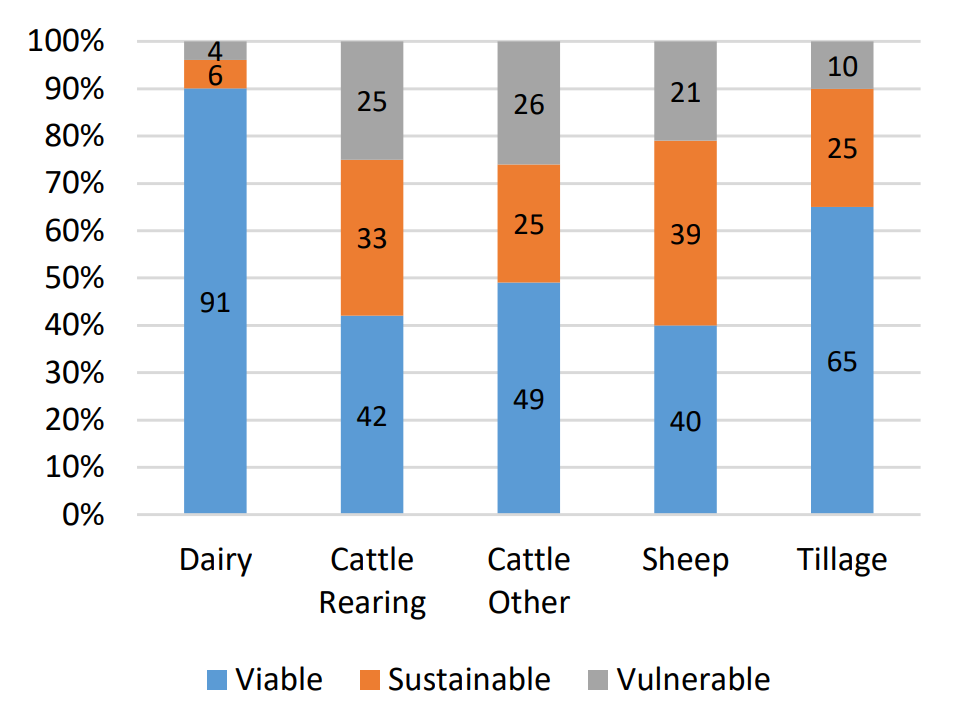
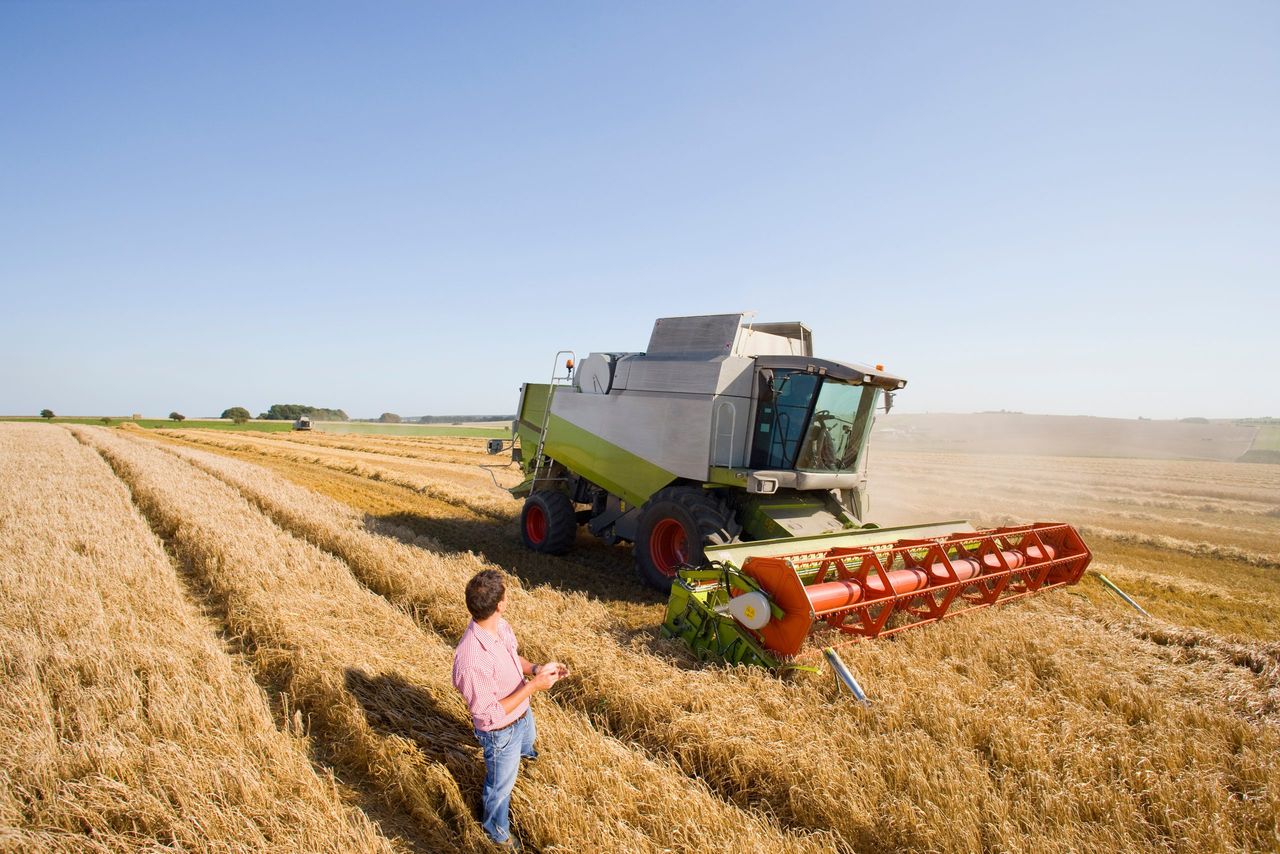
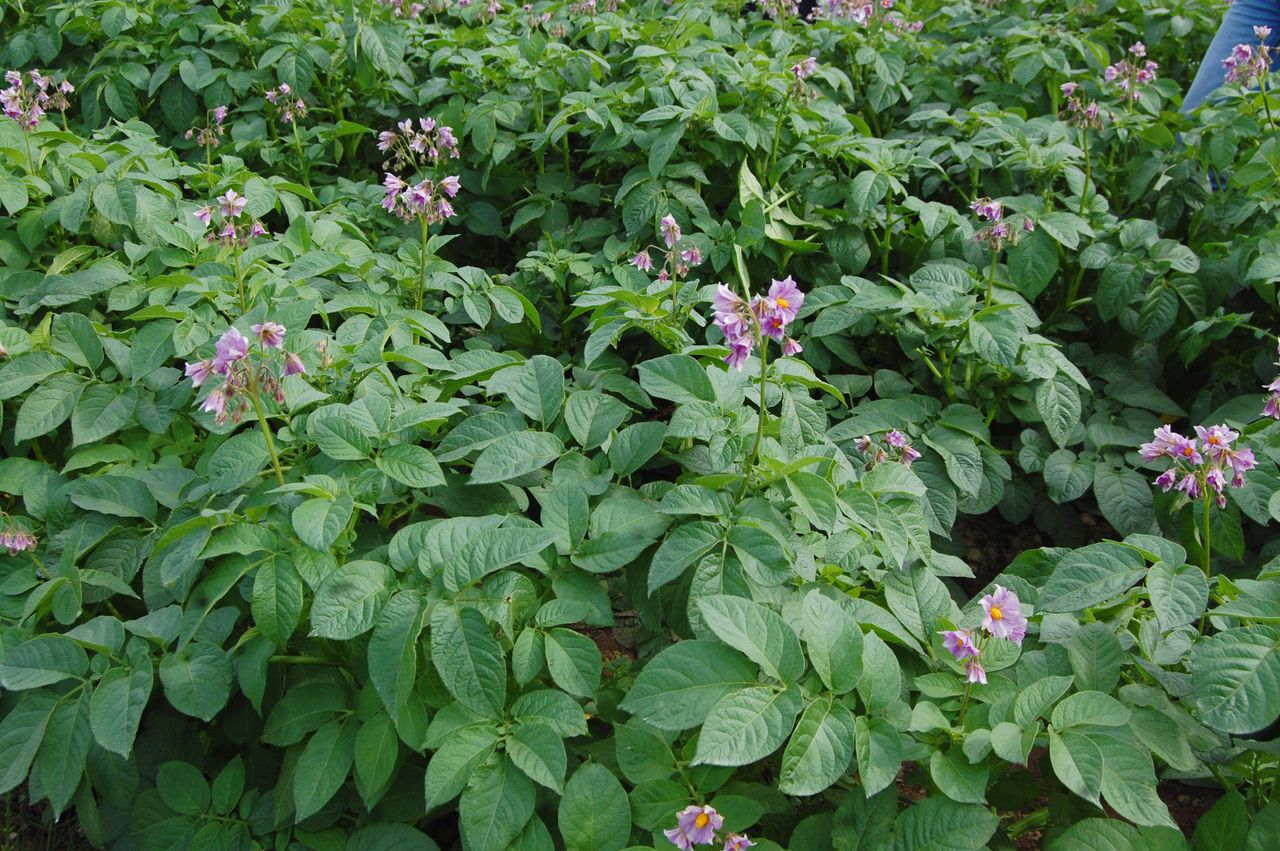
Almost two-thirds of tillage farms were considered viable in 2025, up from 58% the previous year.
The proportion of tillage farms in the sustainable category remained stable at 25%.
The share of tillage farms categorised as vulnerable declined from 16% to 10% compared to the previous year.
Cattle farms
On cattle rearing farms, 42% were deemed to be viable in 2025.
The proportion of cattle rearing farms considered sustainable in 2025 was 33%, while the proportion classified as vulnerable in 2025 decreased to 25%.
Almost half of cattle other farms were viable in 2025. There was a reduction in the proportion of cattle other farms deemed to be sustainable in 2025, at 25%.
The proportion of cattle other farms categorised as vulnerable in 2025 was down to 26%.
The change in sheep farm incomes in 2025 was quite small relative to the other farm systems.
The proportion of viable sheep farms remained relatively stable in 2025 compared to the previous year at 40%, with the proportion deemed to be sustainable increased to 39%.
As a result, the proportion classified as vulnerable declined to 21%.
Regions
Teagasc said that overall, 76% of the farms in the vulnerable category were in receipt of a pension within the household.
At a regional level, about two-thirds of farms in the east and midlands were classified as viable in 2025.
The share was a little lower in the south at 60%.
The comparative figure in the north and west was 44%.