Farm Survey: Incomes up across the board in 2025

A new report today (Monday, July 6) reveals that farm incomes increased across all major farm systems in Ireland in 2025, continuing the upward trend seen across the sector.
Incomes continued to recover from the difficult year experienced in 2023, according to the preliminary results of Teagasc's National Farm Survey for last year.
Income growth was driven by continued improvement in farm output prices, with particularly strong income gains recorded on cattle rearing, cattle other and dairy farms.
Farm income
As a result, over half of the farms in the survey in 2025 were considered economically viable, a sharp improvement on the previous year, Teagasc said.
While incomes improved in all farm systems, substantial differences remain between the incomes achieved in dairy farming relative to other farm systems.
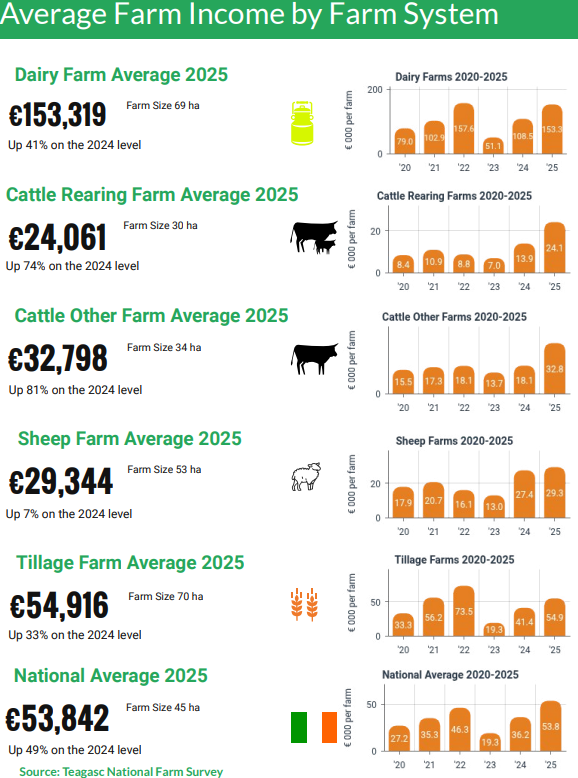
Across all farm systems, the average family farm income rose to just over €53,800 in 2025, an increase of 49% compared to the previous year.
Dairy farms
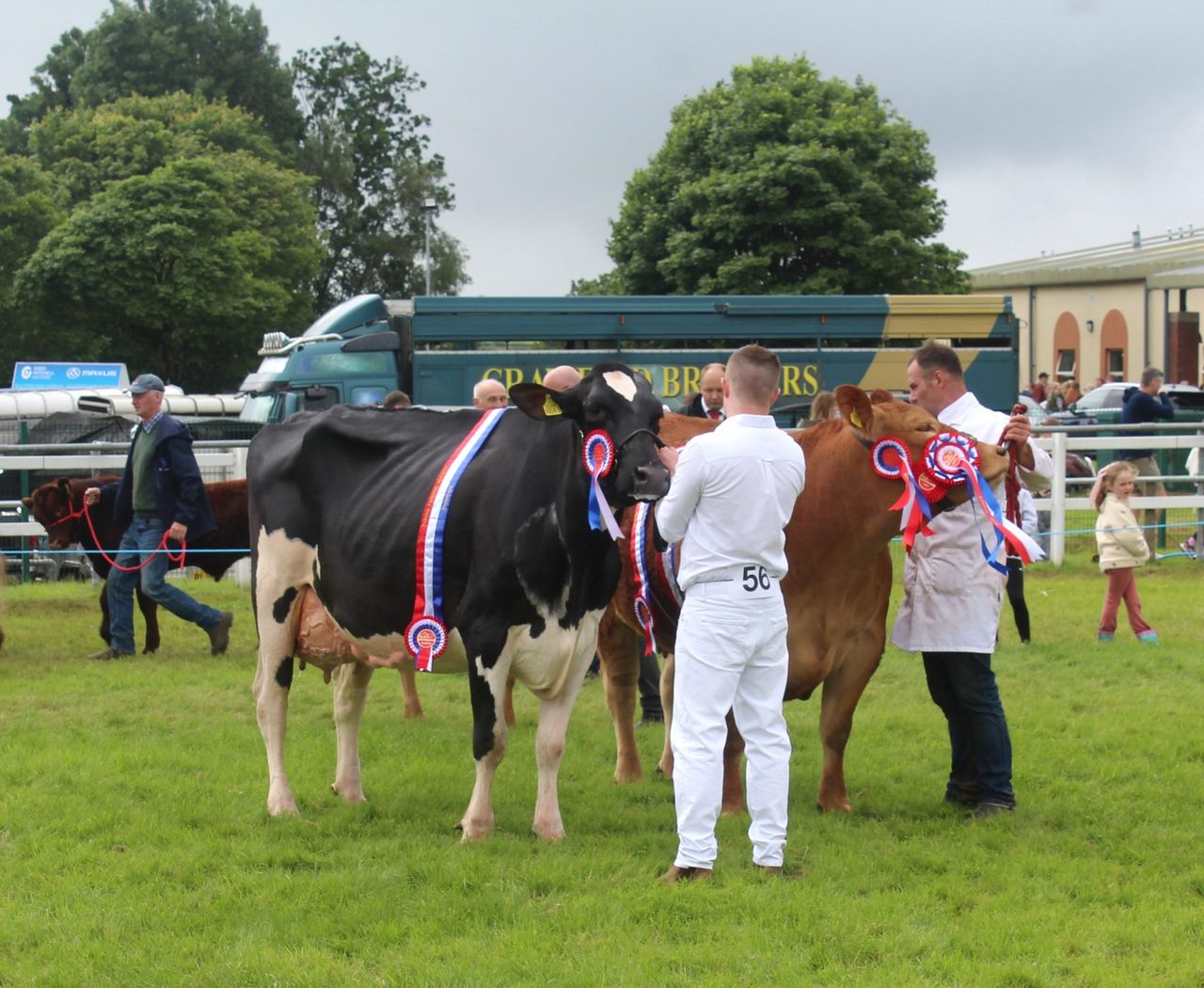
Dairy incomes increased by 41% in 2025 to an average of €153,300.
This increase followed the marked recovery already achieved in 2024 following a very difficult year in 2023.
The improvement in 2025 was driven primarily by stronger milk prices, increased milk output and higher revenues from the sale of calves and cull cows which contributed to an increase in gross output on the average dairy farm of 13%.
In aggregate direct and overhead costschanged only marginally, reflecting both increases and decreases in a range of cost items.
Overall, dairy production costs remained at the elevated level which first emerged in 2022.
Teagasc said the recent strength of dairy incomes underlines how sensitive dairy farm profitability remains to movements in milk price.
While the average income on dairy farms considerably exceeds that of the other farm systems, the intensive nature and larger scale of dairy farms mean that they require a higher level of labour input than on any of the other farm systems.
Cattle rearing farms
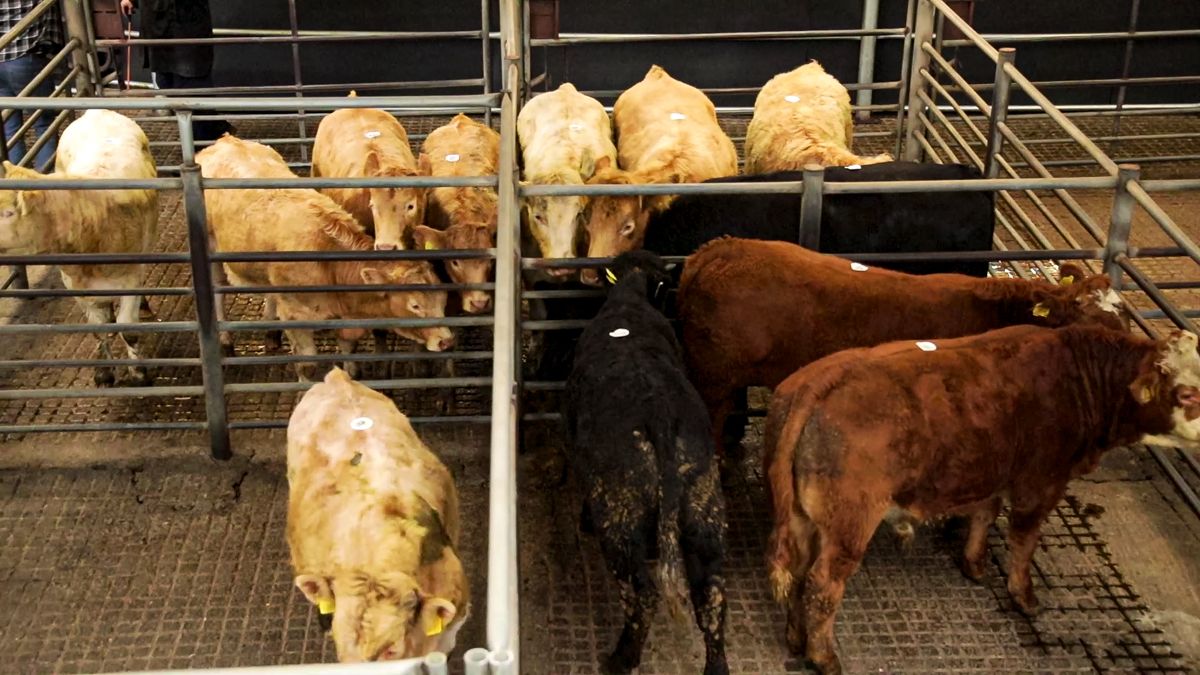
Incomes on cattle rearing farms, which typically focus on suckler beef production, increased strongly again in 2025. The average income rose by 74% to close to €24,100.
Teagasc described this level of income as unprecedented for cattle rearing farms.
Sharply higher young cattle prices supported a 22% increase in gross output, while costs changed only marginally, allowing much of the additional output value to feed through to an increase in income.
Cattle other farms
Cattle other farms, including beef finishing and store cattle enterprises, recorded the strongest percentage income growth of any farm system in Ireland in 2025, with the average income rising by 81% to €32,800.
Much stronger prices for finished and store animals drove a 31% increase in gross output, which more than offset a 12% rise in direct costs associated with additional feed and fertiliser expenditure.
Farms operating a dairy-beef system also did particularly well in 2025, Teagasc's report said.
Sheep farms
The average income also rose on sheep farms in 2025, but the increase was modest in comparison to the two cattle systems, with incomes rising by 7% to just over €29,300.
Gross output was broadly unchanged in 2025, reflecting an increase in lamb prices, alongside a reduction in output volume.
However, a 9% reduction in direct costs and stable overhead costs supported a further, if smaller, improvement in income following the substantial gains recorded in 2024.
Tillage farms
Tillage farms saw incomes rise by 33% in 2025, with the average income reaching €54,900.
This builds on the partial recovery in income seen in 2024.
Due to a substantial global grain harvest, grain prices were lower in 2025, but this was offset by a significant improvement in Irish cereal yields.
This led to a 7% increase in gross output in 2025.
Costs rose only slightly, allowing the improvement in output value to feed through to additional income.
Farms with a secondary cattle enterprise are included in this analysis of tillage farm performance.
These farms also benefitted from the rise in cattle prices in 2025.