9,500 less AI serves recorded so far in 2026

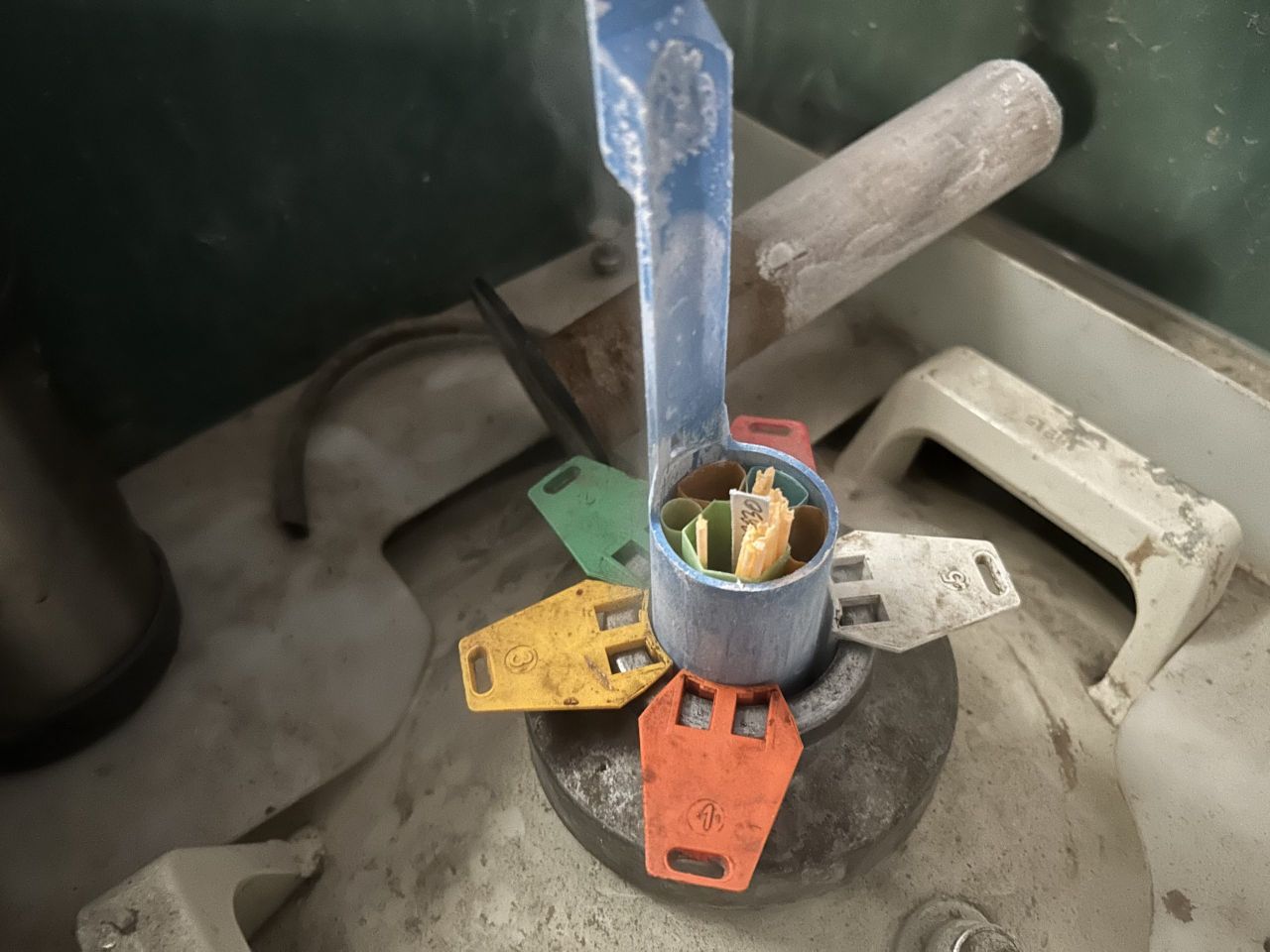
Artificial insemination (AI) handheld serves recorded in 2026 are running 9,506 behind last year's figures, according to data from the Irish Cattle Breeding Federation (ICBF).
ICBF has confirmed that 939,571 AI serves have been recorded so far in 2026, compared to the 949,077 recorded by the same time in 2025.
The total serves has been running behind last year's figures since the start of breeding back in May after an admittedly slow start to the season.
There was only 67,193 serves recorded in April this year, which was 18,169 less than the 2025 figure of 85,362.
May figures were only a sliver behind those of 2025, with 614,527 recorded this May compared to the 615,594 recorded last year.
2026 figures came out trumps for June, with 181,916 serves recorded versus 178,937 in 2025.
Meanwhile, a further 24,314 AI serves have already been recorded in the first three days of July.
It will be interesting to keep an eye on the July figures to see if farmers will continue with a later breeding season, or if AI usage has just slipped in general this year.
It is worth bearing in mind that there were 62,577 serves recorded last July.
Breeding season
Going off an average gestation on 283 days, the majority of farms would have started breeding in the last week of April or first week of May to achieve a calving start date of February 1.
However, in the last number of years we have seen farms veer away from the traditional February 1 calving date, with some drier farms opting to begin calving down in January while heavier farms have pushed calving out later into February given the recent weather patterns.
The later option seems to be gaining popularity rapidly in recent years, with more than 10,000 additional services recorded in July 2025 compared to July 2023.
- July 2023 - 52,091;
- July 2024 - 56,120;
- July 2025 - 62,577.
The number of calves registered to dairy dams as of Friday, July 3 was 1,466,747, it sat at 1,449,843 in the same timeframe in 2025, 1,482,305 in 2024, and 1,482,509 in 2023.
There is a difference of 15,762 registrations between 2023 and 2026 - however, the uptake in sexed semen over those years will have had an impact with a 400% increase in usage between 2021 and 2025.