DAFM: 'Over 10% of genotyped dairy-bred calves exported this year'
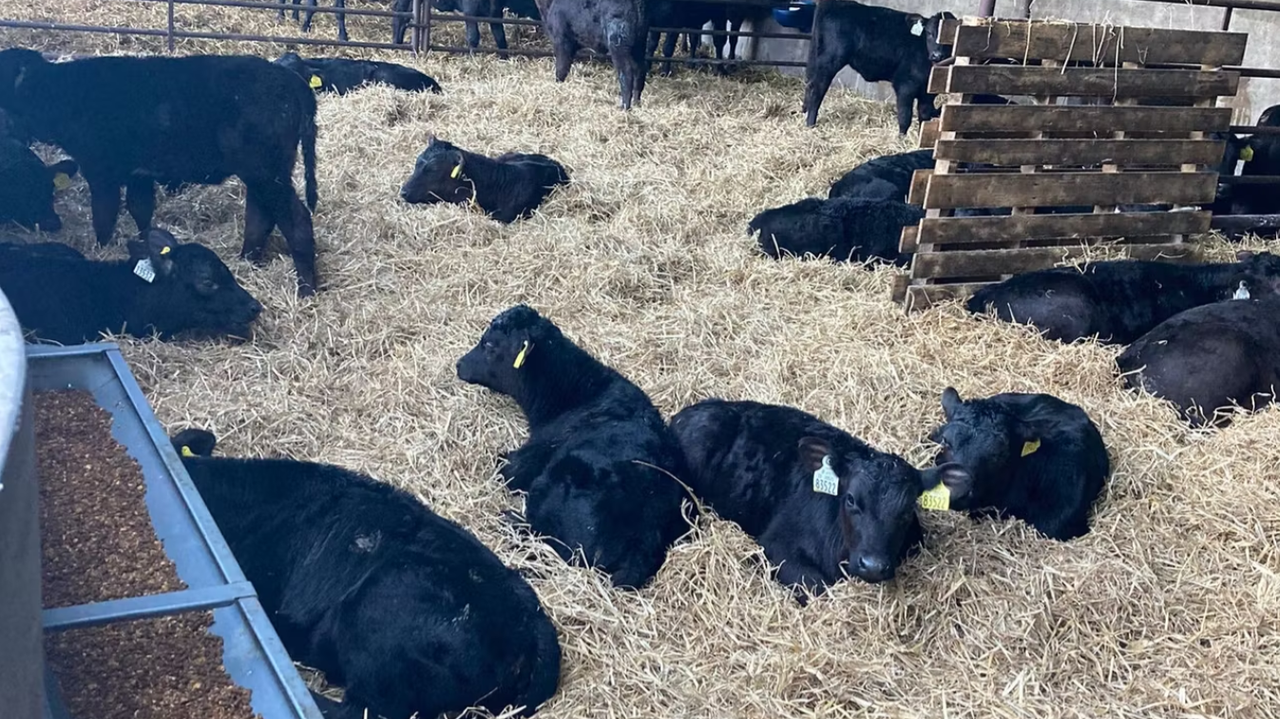
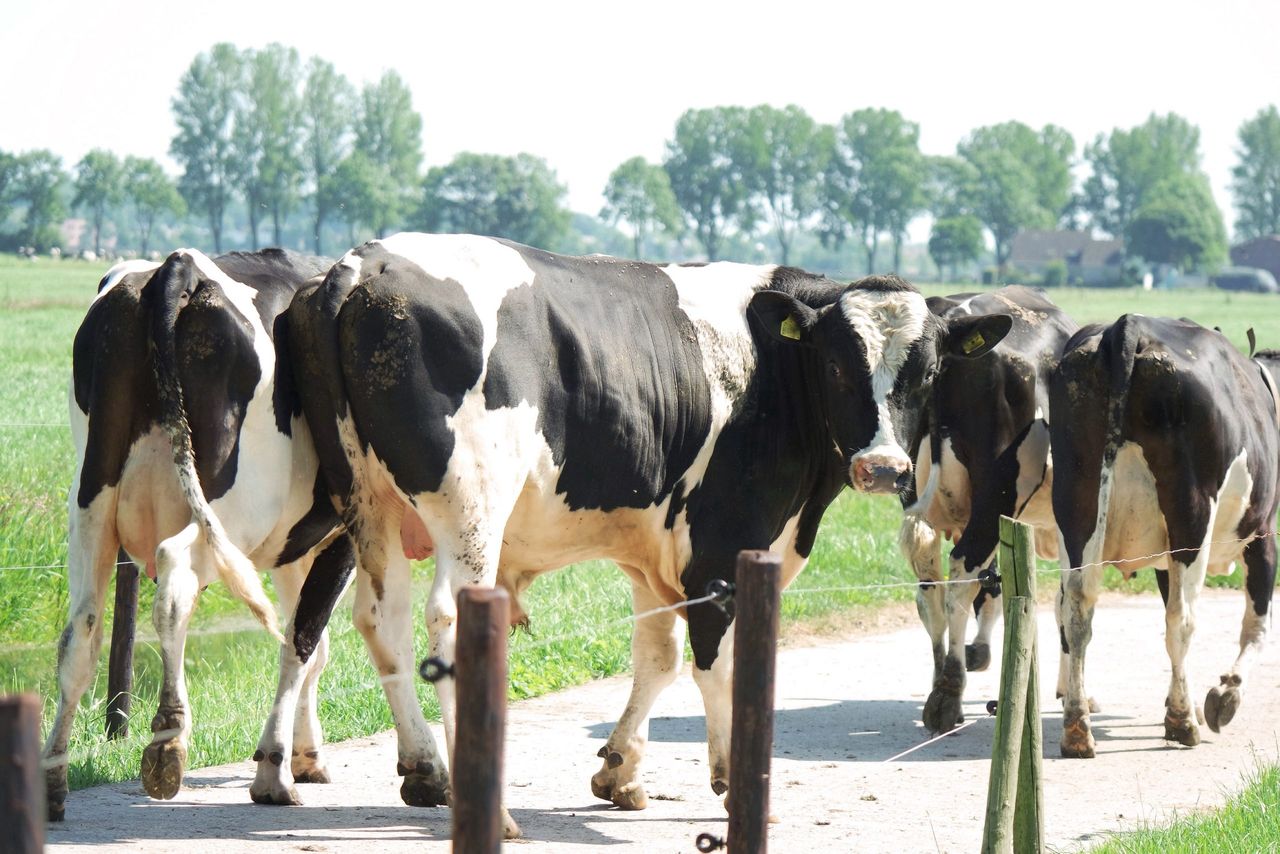
New figures obtained by Agriland from the Department of Agriculture, Food and the Marine (DAFM) have shown that over 10% of the Irish dairy-bred (dairy breed dam) calves genotyped this spring were exported.
From January to June 15 of this year, a total of 715,782 calves from the Irish dairy herd received a genotype.
Of these calves from the dairy herd, 89,355 or 12.5% of the calf population with a genomic sample were exported.
From January to June 15 of 2025, 607,006 calves from the dairy herd received a genotype and 79,431 or 13.1% of these were exported.
The table below details the number of genotyped caves from the dairy herd that were registered from January to June 15 of 2025 and 2026 and the number of these that were exported each year:
| Birth year (up to June 15) | Genotyped calves | Number exported | Dam type |
|---|---|---|---|
| 2026 | 715,782 | 89,355 | DAIRY |
| 2025 | 607,006 | 79,431 | DAIRY |
A statement from DAFM emphasised: "It should be noted that even though genotyped calves are exported, they still contributed to calving ease evaluations and calving interval genetic evaluations."
National Genotyping Programme
According to the Irish Cattle Breeding Federation (ICBF), the National Genotyping Programme (NGP) "continues to go from strength to strength".
Spring 2026 marked the busiest calving season since the programme was first launched in 2023, according to the organisation.
"Strong farmer engagement and increasing adoption of DNA calf registration are driving significant progress towards a fully genotyped national herd," the ICBF added.
Commenting on the number of herds and cows involved in the initiative, the ICBF said that a further 3,664 herds joined the programme in 2025, bringing the total number of cows in NGP herds to almost 1.1 million.
This includes over 790,000 dairy cows and 302,000 suckler cows, "reflecting the growing importance of genotyping in improving herd performance and supporting more informed breeding decisions".