New State plan targets rapid response to major fish kills

A new State inter-agency plan aimed at ensuring a swift and co-ordinated response to major fish kill incidents has been published today (Thursday, June 25).
Inland Fisheries Ireland (IFI), the lead agency on the project, said the plan sets out clear procedures for responding to large-scale fish deaths.
The plan was developed in the wake of the major fish kill in the River Blackwater catchment last August.
It sets out the recommended minimum requirements for each stage of the management of a fish mortality event, including "preparedness, investigation and reporting activities".
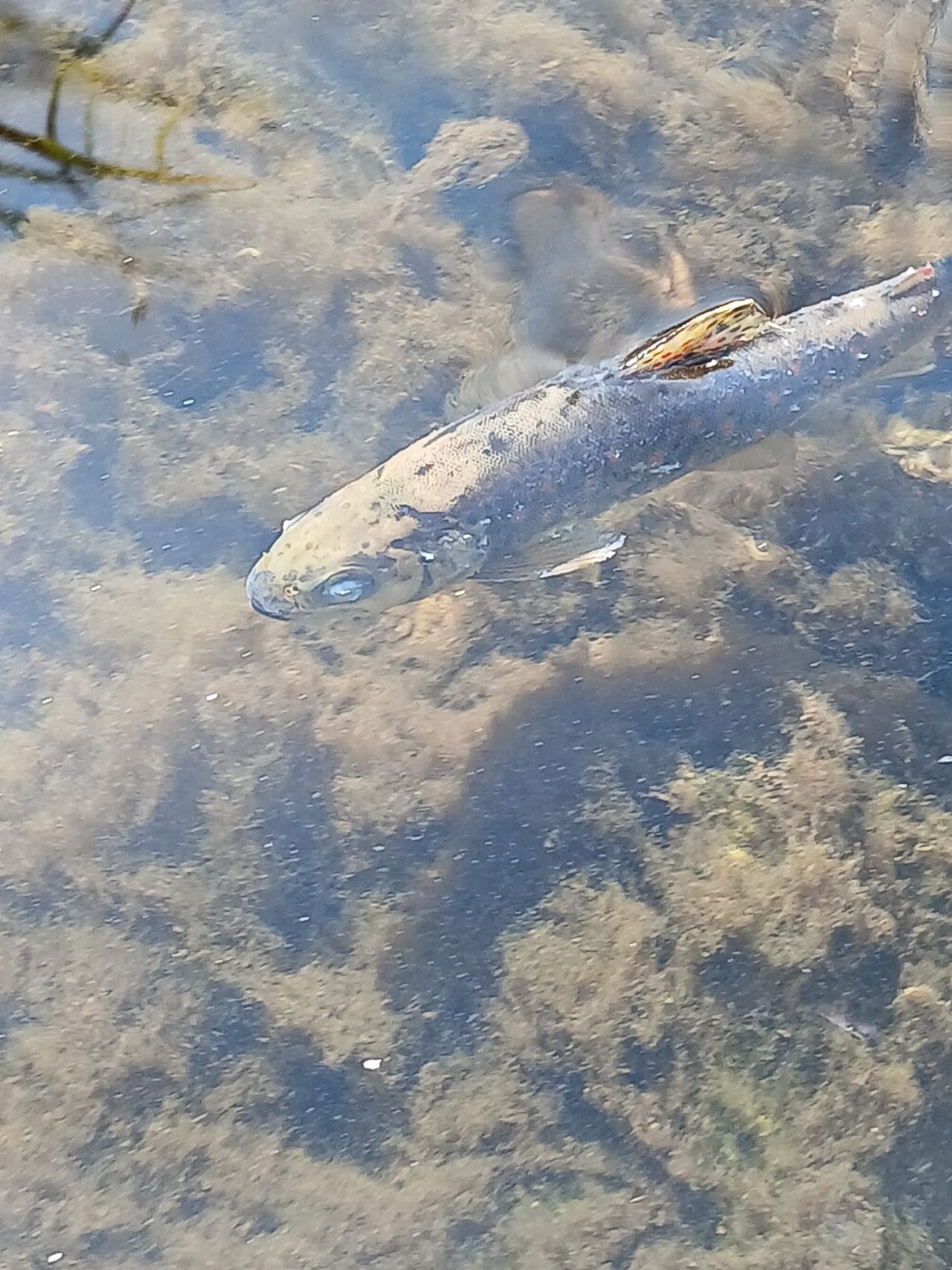
Last August, the largest recorded fish kill incident in Ireland occurred in the River Blackwater in County Cork.
According to the IFI evidence suggested it was "a short-term pollution event" but as a result around 32,000 salmon and brown trout died in the River Blackwater.
However no evidence was found to link the fish mortalities in the River Blackwater to a "point source of pollution or a specific environmental insult or waterborne irritant".
Fish kill
Earlier this month an estimated 20,000 fish died in an incident over an approximate 25km stretch of the river of the River Glyde in Co. Louth.
The source of the pollution in the river was identified as an agricultural discharge, and was subsequently halted.
Today the Minister of State at the Department of Climate, Energy and the Environment Timmy Dooley, warned that "protecting Ireland’s rivers and fisheries is a shared responsibility".
He said the new plan addresses recommendations around "governance" and will strengthen how agencies prepare for and respond to major fish kill events.
Response
Dr. Eamonn Kelly, CEO of IFI, said it delivers a practical and collaborative response to dealing with fish kills.
"It centres on procedures to be quicky followed, and on clear communication and information-sharing between all the agencies involved, and with the wider public," he added.