Opinion: Harvest 2026 will be upon us before we know it

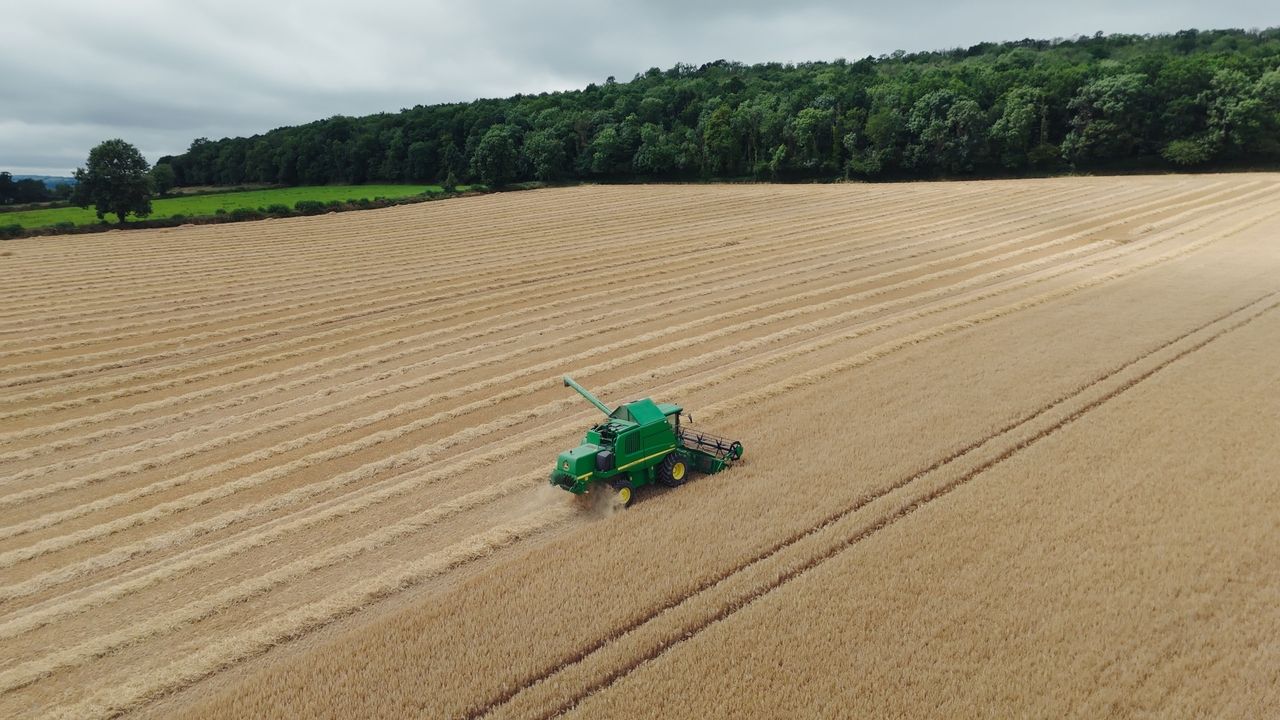
The onset of the current hot spell will hasten the ripening of all winter cereal crops: Harvest 2026 is almost upon us.
Winter barley, as always, will be first out of the traps with crops of Joyau probably ready for cutting within a fortnight.
Most agronomists are already predicting that harvest 2026 will be pretty average in terms of the final crop yields achieved.
But it does bring with it the prospect of a real opportunity for tillage farmers to truly assess the ‘bona fides’ of Barley Yellow Dwarf Virus (BYDV) tolerance across a wide range of winter barley varieties.
The seed trade has been waxing lyrical about the benefits delivered by BYDV tolerance. So, now is the time for these varieties to truly deliver.
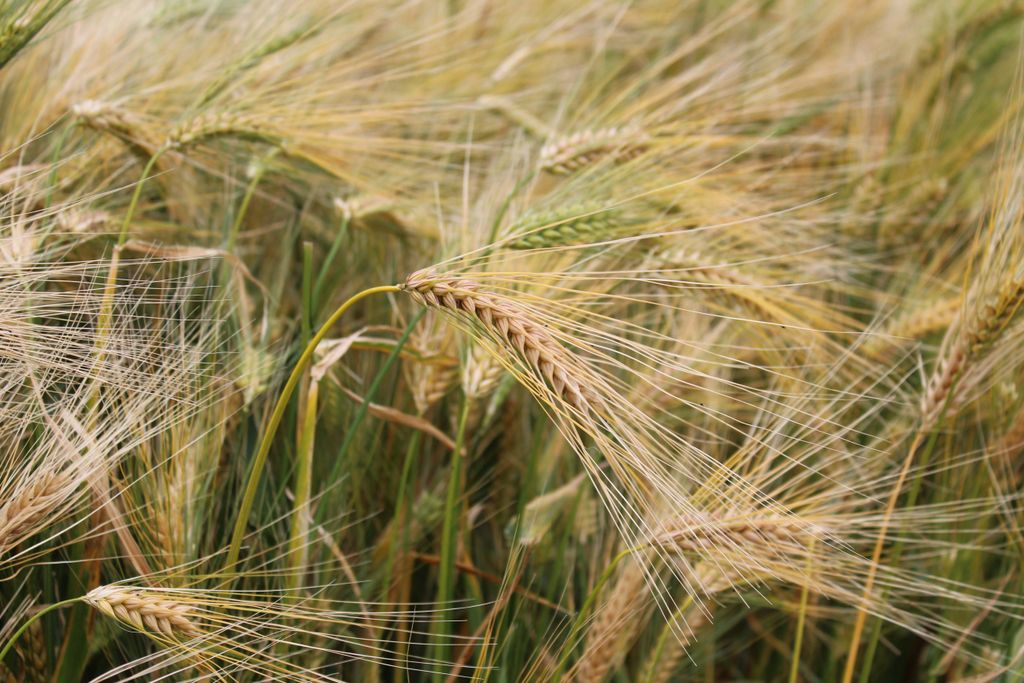
There was a lot of BYDV kicking around last autumn.
Everyone agrees that disease tolerance is the way forward. And hopefully, this will be realised across all cereal crops options over the coming years.
But the question is this: does the development of cereal varieties that are tolerant to BYDV strains found in Europe translate to Irish growing conditions?
The coming weeks will deliver some pretty definitive answers to this important query.
Herbicides
Meanwhile, the scale of the chemical armoury that was once at the disposal of very Irish tillage framer continues to diminish.
The world’s agrochemical giants have, basically, hoisted the white flag when it comes to developing new herbicides and plant disease prevention chemistries.
And why is this? The answer is quite simple: new product development costs outweigh the return on the investment that can now be delivered at a commercial level.
And the impact of all this is fast becoming obvious.
Herbicide resistant grass and broadleaf weeds are now running rampant across all of Ireland’s tillage areas while the use of existing fungicide products is fast diminishing.
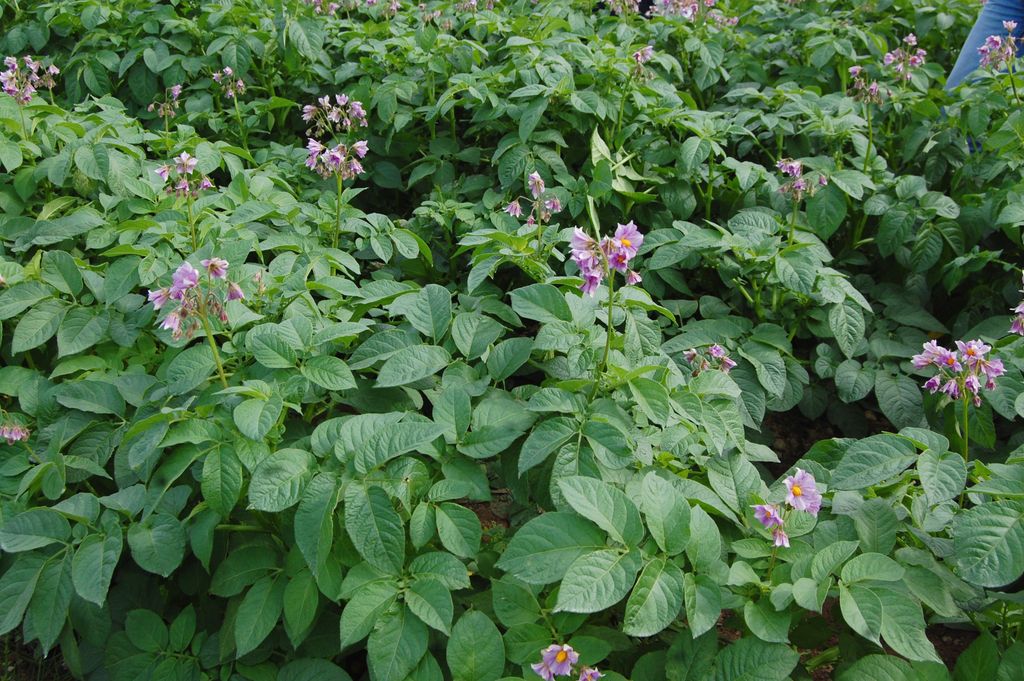
The potato sector is particularly disadvantaged in the latter regard.
All it will take is for blight populations to secure resistance over a very small number of the relatively few fungicide chemistries left available to potato growers and the balloon goes up: commercial potato production in Ireland runs out of road.
It’s as clear-cut an issue as that.
And the tillage sector has only itself to blame for all of this potential carnage.
The consistent practice of applying herbicides and fungicides at less than the recommended rate gave weeds and plant disease the opportunity to fight back. And they took it.
Mother Nature works like that.
Disease resistance
But there is always hope. For the tillage sector, this comes in the form of new plant varieties that have an inherent resistance to the widest possible range of diseases.
There is also an expectation that new crop management practices will help farmers address the worst excesses of herbicide resistance.
But it’s all about the ‘ticking clock’.
In other words, can plant breeders come through with the new varieties required by the tillage sector before resistant diseases and weeds run totally roughshod over the world of chemical farming as we know it today?