Kepak Young Farmer Forum hears of changing beef/lamb market trends

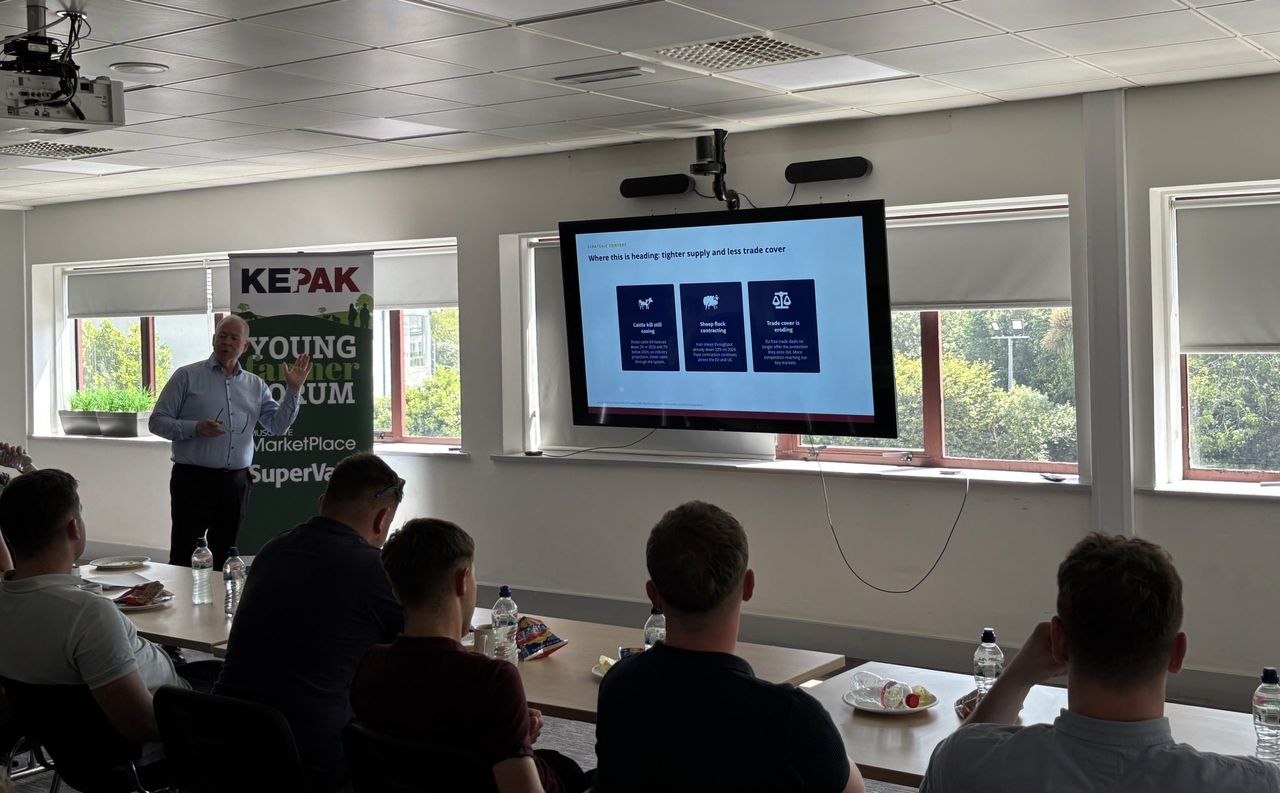
The latest trends in markets relevant to Irish beef and lamb were discussed at the most recent knowledge transfer event of the Kepak Young Farmer Forum.
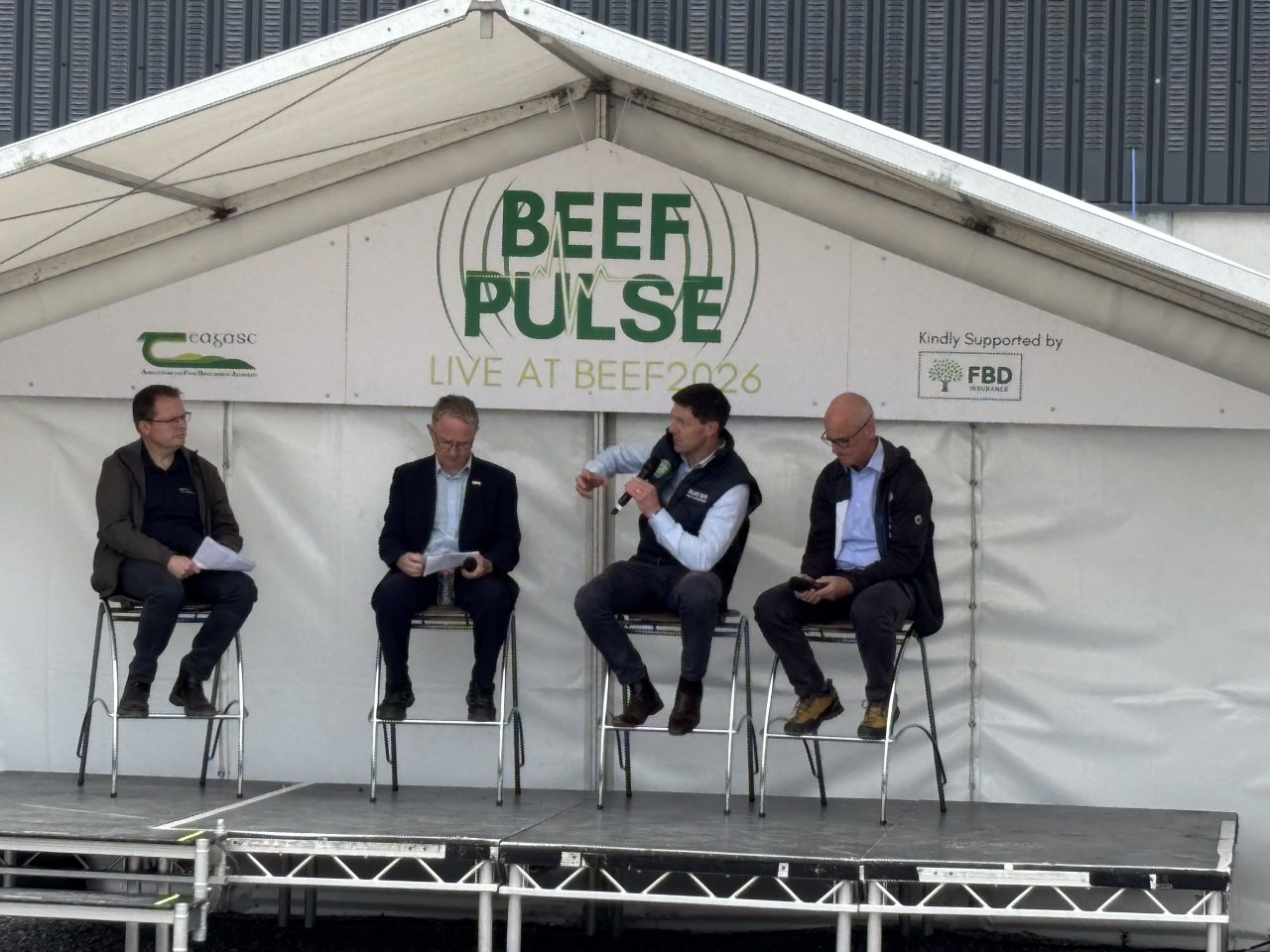
The full-day event took place in Co. Cork and one of the insightful presentations delivered to the participants on the day was from Kepak commercial director Sean Coffey.
The event was unique in having young farmers as well as factory and retailer representatives all in one room, listening to the key challenges faced by young beef and sheep farmers in Ireland as well as the challenges faced at industry level.
The presentation from the Kepak commercial director explained that beef and lamb processors are "in the disassembly business".
He said that factories in other industries "put components together and build something.
"We start with something large, break it into parts, and send it across the world," he continued.
According to Coffey, Irish beef is sold into over 30 markets globally, and that the aim is to find the highest-value home for every cut of beef, somewhere in the world.
He explained that no single market values the entire carcass, so selling each cut where it is valued most is what builds the value of the animal.
The Kepak representative highlighted three challenges that are currently impacting the Irish beef and lamb industry:
- Cattle kill declining;
- Sheep flock contracting;
- Trade cover eroding.
Coffey said that the prime cattle kill is forecast to decline 2% in 2026 and by 7% on 2024 kill numbers, which means there will be fewer cattle going through the system.
He added that Irish sheep throughput is already down 22% on 2024 and flock contraction is continuing across the EU and the UK.
As well as declining supplies, Coffey pointed out that EU trade deals no longer offer the trade protection they once did, which means that more competition is reaching the key markets for Irish beef and lamb.
Beef and lamb consumption trends
While the supply is tightening everywhere, Coffey stressed that "people still want beef and lamb".
He said: "In the Irish context, people are buying beef differently, not leaving the category. Yes, they're eating less of it, but they still want it."
He noted that Irish consumers are consuming 14% less beef "and the price is up and the kill is down".
According to Coffey, more people are moving to mince beef products.
"Mince is now 51% of the volume. Mince, burgers, koftas, meatballs, 51% of what Irish consumers consume in beef is that type of product.
"In the UK, volume [consumption] is down less - down 9% on average but price up 18%. That's our single biggest trade partner.
"British consumers see quality of Irish beef comparable to British beef," he explained.
Coffey explained that contraction is happening right across the EU market.
Despite this, he added that "demand is price led in some markets".
"if the price is low enough, they'll import it. If it's not, they won't. That's why we get this ying-yangs on the demand and why are we are sometimes chasing stock and sometimes have plenty available.
"If that demand is not there, there's little point in us processing it.
"People still want beef but cost is deciding what it is they're doing," he summarised.
Another trend in beef markets he highlighted was that there are two polarising markets now: one for people who are challenged economically and are trading into mince; and another for people who would have eaten out but are now dining at home.
"They're looking for premium product at less than what you pay in a restaurant," he explained.
Health and convenience
Coffey also noted that more people are choosing products based on protein content and health benefits.
Convenience is also becoming a major factor in what types of cuts that people will buy.
"People are looking for far more convenient products; they have busy lives and cooking not as straight-forward, the skillset is eroding," he said.
The Kepak representative believes people are going for cuts of meat that they can cook quick and easy in their air-fryer at home as opposed to big roasting joints - although this market segment is still there.
Coffey also emphasised that above all, value is what consumers will go for.
"Value does not mean low price. Value is quality-taste trade off. Premiumisation. People will invest if we give them a reason to."
He explained that to meet the changing consumer demands, product specifications must meet those which the consumer requires.
Thought needs to go into "reengineering for value to keep beef in the consumer shopping basket", Coffey stressed.
He noted that air-fryer ranges, new cuts, cheaper-cuts, protein call outs, high-end roasting joints, and steaks are all marketing methods to keep beef relevant with a broad consumer base.
He also explained that "people are better travelled, so new flavours, new styles, all convenient" are also important.
Changing trends
Coffey noted that the decline in beef consumption is being replaced by "predominantly chicken" with approximately two-thirds going to poultry and the rest to other proteins.
He added that the plant-based market has eroded also as people become aware of the environmental footprint of these products and the number of ingredients needed to make these plant-based substitutes.
Despite this, steaks and roasting joints are in "steep volume decline" with people trading over to cheaper cuts such as mince.
"We've got to get the value right to get them to continue to invest in steaks because we still have them to sell. There is no point in us mincing fillets," Coffey said.
Trading up for occasions
One general trend which Coffey said has not changed is people trading up for family and special occasions.
"Irish consumers will always invest in these and will go to lamb and beef for these [occasions] - not so much poultry."
"Looking at lamb, we are seeing an even tighter supply," he added.
He also noted consumers are price sensitive with lamb but the quality of Irish lamb is clear across the markets.
Irish lamb exports fell 51,000t in 2025 down 15% and that the tight supply is holding prices but from the consumer perspective, "they are eating less and less lamb".
According to Coffey, Irish retail lamb volume was down 34% but mince and diced lamb demand is growing.
"The Easter value was down 31% even though 1 in 5 households bought lamb, it's still huge but it's not as much as it was."
He explained that supermarkets "invest heavily" around Easter to discount product "to get it on shelves" but highlighted that "there's only so much of that they can do".
In his final comments, Coffey stated that the outlook for Irish beef and lamb remains "optimistic overall".
He said that beef prices has started to creep up in recent weeks, adding: "Dare I say it will continue to do that?"
With declining supplies of beef and lamb, the Kepak representative believes it is important to find market segments that "optimise rather than commoditise".