EU agri-markets to stay 'robust' despite Middle East conflict


Irish farmers and their European counterparts may be battling the fallout from war, rising costs and trade tensions but agri-markets are expected to stay "robust" in 2026.
Latest forecasts published today (Monday, July 6) by the European Commission suggest that in particular there will be growth in dairy, pigmeat and poultry production.
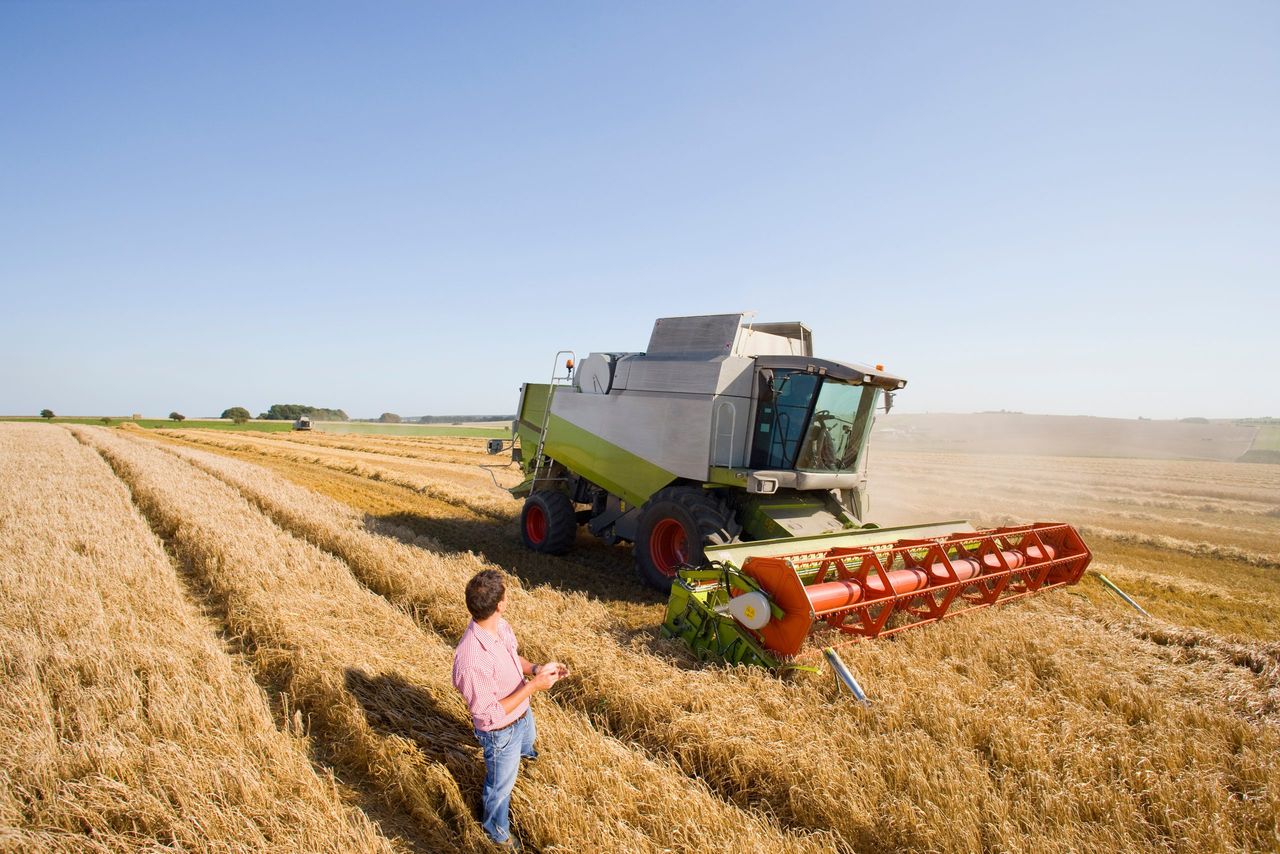
Althought spring and summer crops may suffer from heat and water shortages - particularly in drought-prone regions - the weather outlook suggests generally favourable crop conditions for 2026 in the EU, with winter crop yields expected above the historical average.
However, despite some upbeat prospects, the threat posed by weather challenges, animal disease outbreaks and the ongoing instability in the Middle East remains.
Irish and EU farmers have also faced higher energy and fertiliser costs this year which the commission acknowledges will continue to put farm profits under pressure.
In addition to this the European Commission has warned that "macroeconomic and energy market prospects for 2026 remain highly uncertain".
A slowdown in EU real GDP growth is forecast at +1.1% in 2026 and there are concerns that food prices will spike because of the knock on effect of the Middle East conflict.
However in the summer 2026 edition of the short-term outlook report, the European Commission also outlines that overall "prospects for EU agricultural markets in 2026 remain robust".
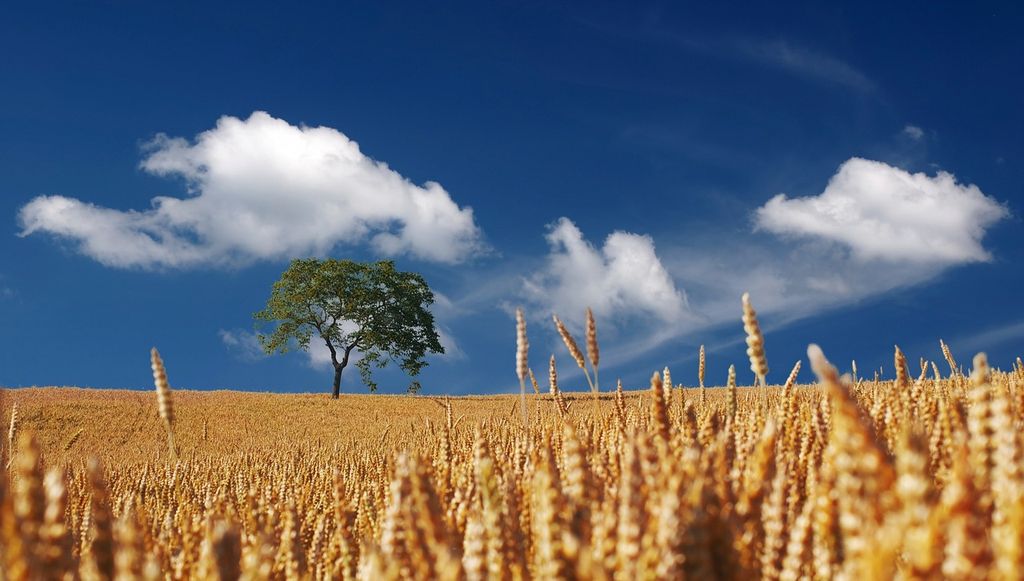
Over 2026 and 2027 EU production of arable crops is forecast to be lower compared to the period covering 2025 and 2026.
EU cereal production in 2026/27 is forecast to be in line with the five-year average at 273.7 million tonne.
Despite lower expected production, significantly higher beginning stocks of the 2026/27 season would, according to the commission, "still allow the EU to maintain strong wheat exports, while imports of cereals are forecast to only increase marginally".
It also predicts that the EU oilseed production - rapeseed, soya bean and sunflower seed - in 2026/27 is forecast to increase by 3.1% year-on year.
Meanwhile the 2026/27 EU production of protein crops - field peas, broad beans and lupins - is forecast at 4.3 million tonne, which is 17% above the 5-year average.
EU milk and dairy products
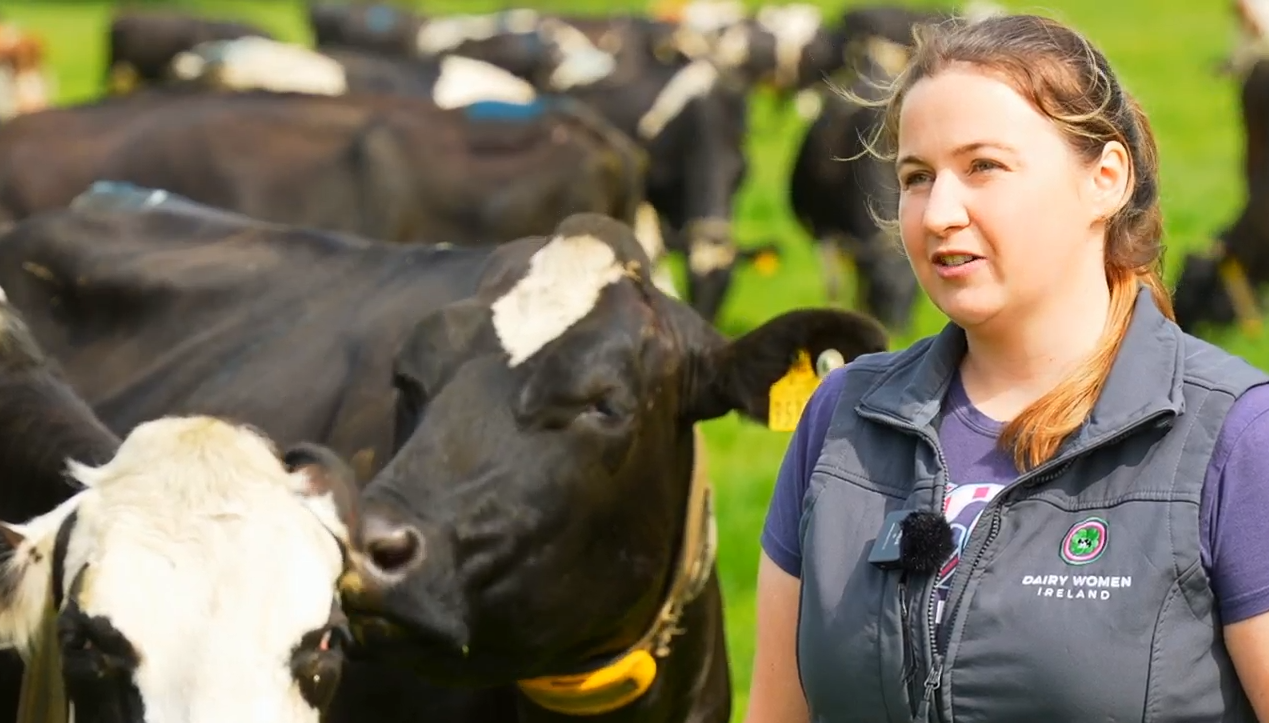
According to the European Commission EU demand for dairy products remains "resilient" but there is uncertainty hanging over the second half of the year because of input costs pressures.
EU milk supply is forecast to grow in 2026, driven by higher yields.
"Demand remains resilient, though food inflation and the passthrough of input costs to consumer prices pose risks.
"Increased raw milk availability may boost butter, cheese, whey, and skimmed milk powder production, while exports stay resilient despite weaker Middle East demand and trade disruptions," the outlook report details.
Beef production
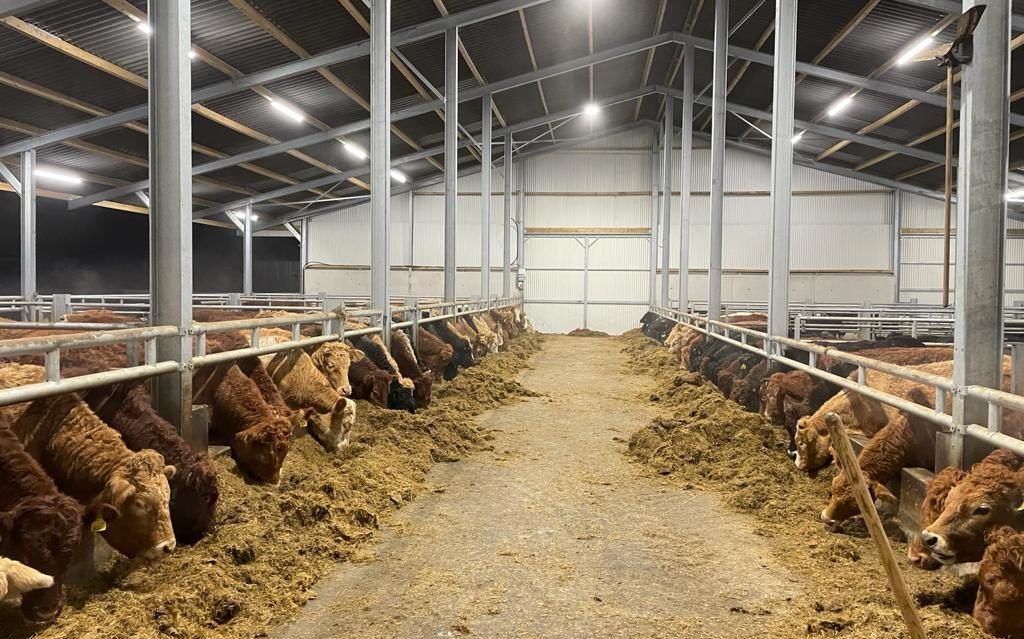
Meanwhile EU beef production is forecast to decline in 2026 and 2027 due to a declining cow herd which will keep prices high despite early-year easing.
According to the European Commission's short-term outlook report shortage in supply and high prices are expected to lead to lower beef meat (-12%) and live exports (-18%) in 2026.
"EU beef meat exports to the UK are expected to decline as Australian supply increases to the UK market.
"Imports are expected to rise by 12%, driven by inflows from South America following the Mercosur agreement’s entry into force.
"However, If the EU suspends Brazilian imports from September due to non-compliance with antimicrobial rules in animal production, beef and poultry imports may decline," the report also details.
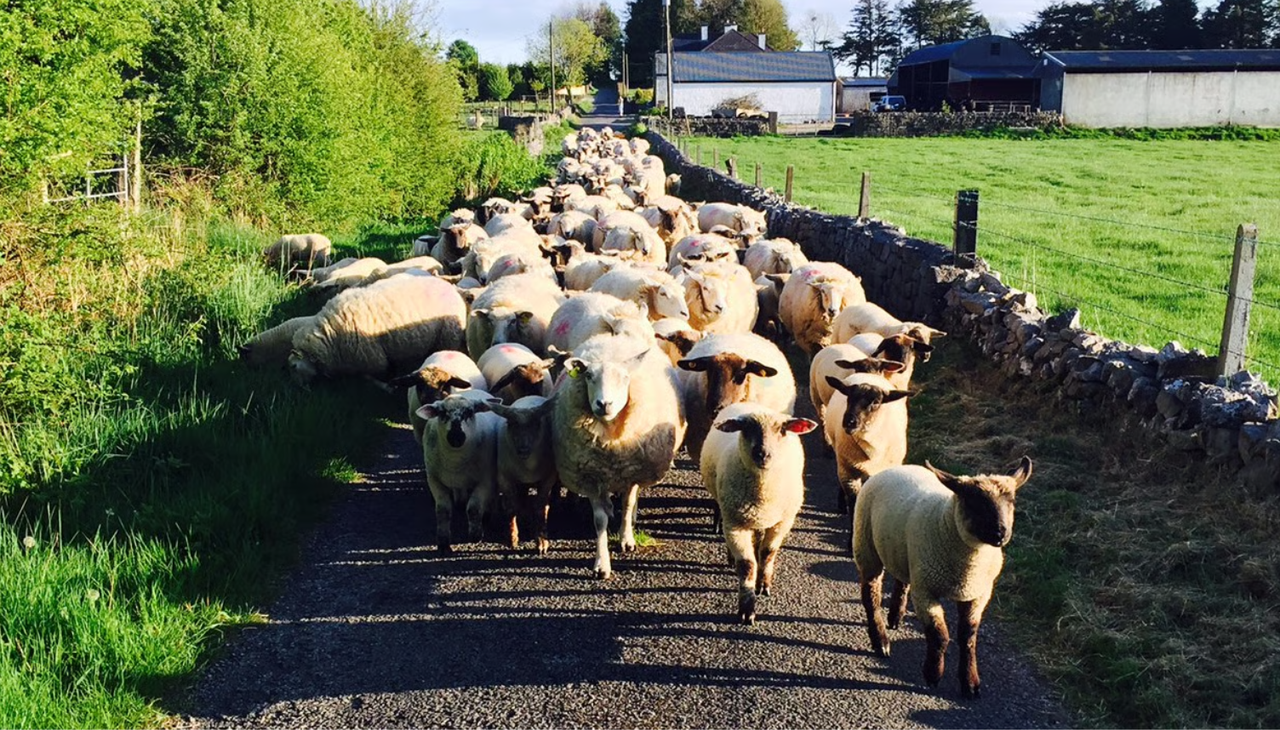
The commission has also highlighted that sheep and goat meat face similar pressures from a declining herd and disease challenges.
In contrast pigmeat production and consumption is expected to stay stable, with resilient exports as prices fall.
Poultry production is also set to grow, chiefly driven by strong demand and high prices, though exports may decline while imports rise.