Can commercial potato production in Ireland remain economically viable?

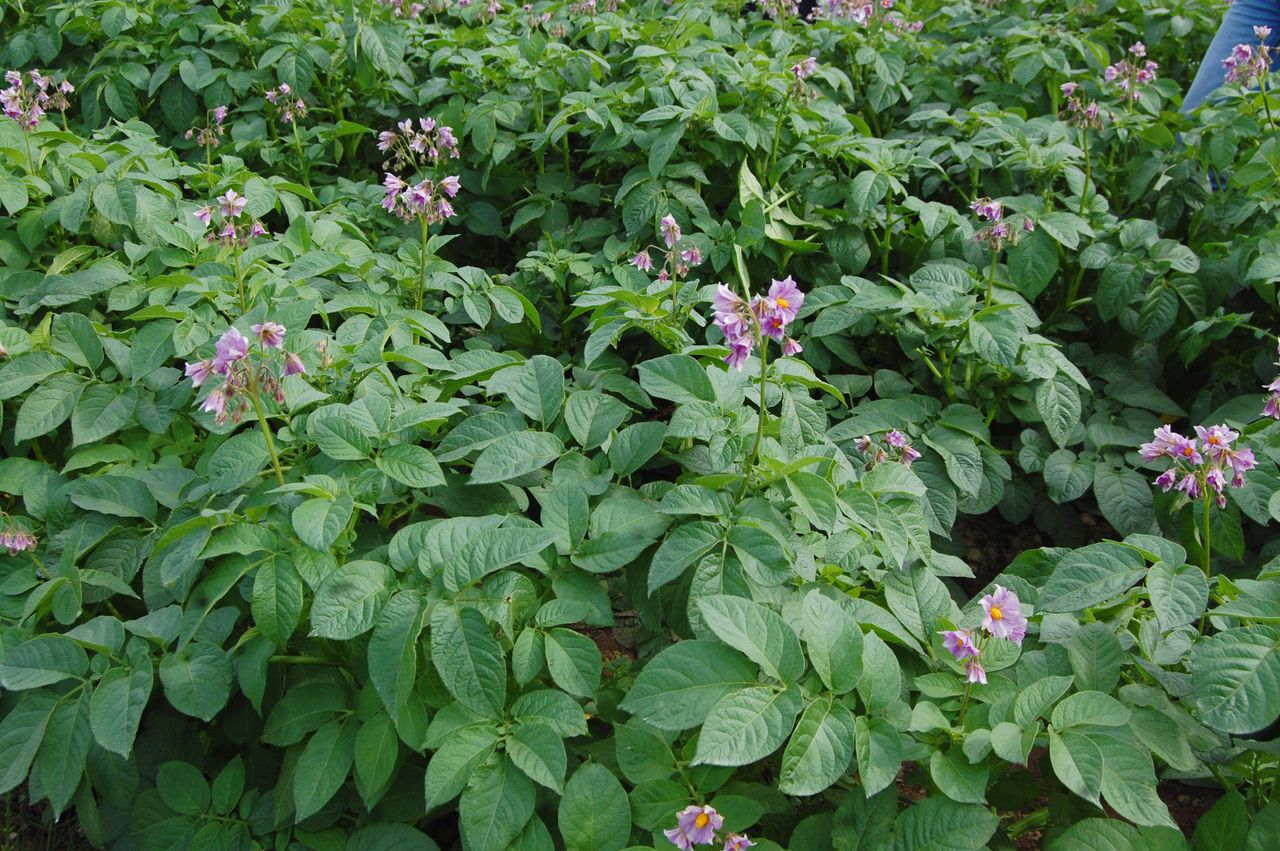
Ireland’s potato sector has reached a critical scale of operation, below which the industry may no longer remain viable, according to Teagasc tillage specialist, Shay Phelan.
He explained: “The area of main crop potatoes for 2026 has come in at 7,000ha: that’s a 700ha reduction on 2025 levels."
Phelan noted that where first earlies are concerned, the 2026 area is on a par with the year previous at approximately 900ha.
However, he said that the continuing contraction of the ware production area is of "significant concern".
“If the footprint of the sector were to drop much below 7,000ha, then one would have to worry about the entire economics of maincrop potato production in Ireland.
“Once the sector falls below a certain size then a number of key commercial suppliers may then start to decide that it is not economically viable for them to remain involved.
“And we are fast getting to this point," Phelan said.
The continuing decline in Ireland’s potato industry has been attributed to the ever increasing costs confronting growers and the myriad crop management challenges also confronting them.
“Dealing with blight continues to be a major issue for potato growers," Phelan said.
“Over recent years we have seen significant changes within the blight populations impacting on Irish potato crops.
"Many of these are now resistance to quite a number the blight chemistries that are available to growers.
“So, controlling the disease has now become a very complex matter. And, what’s more, the prospect of new fungicides becoming commercially available in the near future is extremely small.”
Consumer demand
Meanwhile, the Irish Farmers’ Association (IFA) is reporting that retail and home consumption of potatoes seems to have stabilised and improved following the recent heatwave conditions.
There is good demand for any new season potatoes, and some early salads will be coming onto the market in the coming weeks.
Queens’ crops are looking very good and demand is reported to be adequate. As the season progresses, tare levels are increasingly high due to issues in store.
Across Europe, rejections remain high but contracts are generally running to schedule.
The most recent heatwave affecting the bloc has caused a lot of crop stress across many countries.
In addition, very high temperatures have caused problems in factories and with transport during the week resulting in the delayed movement of contracts.
Significantly, a new period of high temperatures has been forecast for Ireland, the UK, and a number of European regions over the coming days.