Farm Survey: Cattle rearing incomes hit record-breaking levels in 2025

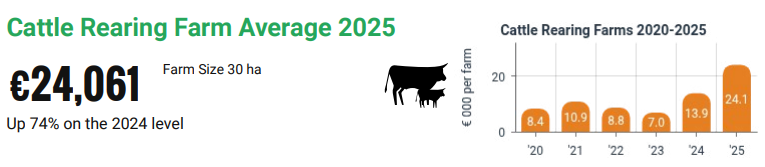
The average family farm income (FFI) on cattle rearing farms in 2025 increased 74% to hit €24,061, the highest figure for the category on record.
This is according to the Teagasc National Farm Survey (NFS) for 2025, published today (Monday, July 6), with 18,739 cattle rearing farms represented in the figures.
Higher cattle prices drove the improvement in margins, the report said.
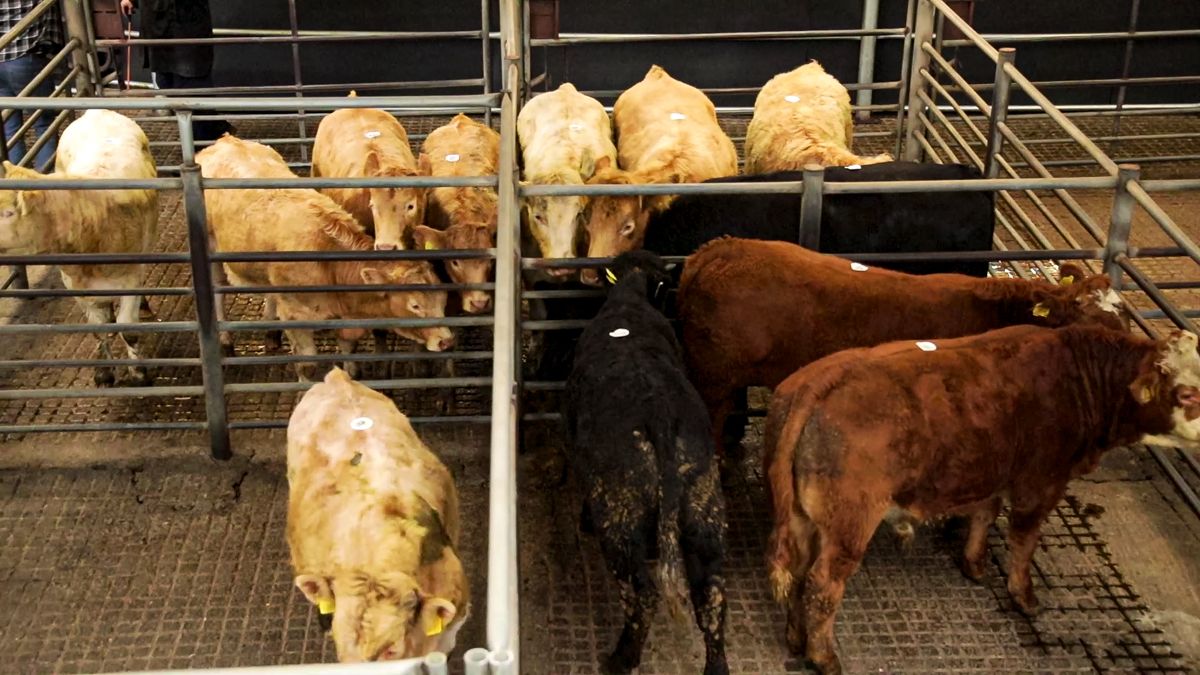
Averaged over the year, prices for weanlings, store and finished cattle were up "dramatically" in 2025 on 2024 levels.
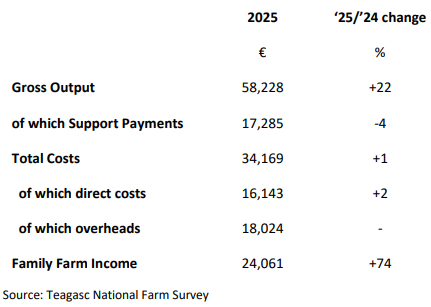
Meanwhile, average gross output increased by 22% to €58,228 compared to 2024.
Scheme participation and associated support payments, such as through the Suckler Carbon Efficiency Programme (SCEP) and Agri-Climate Rural Environment Scheme (ACRES) continued to be "critical" in supporting cattle rearing income in 2025, the survey found.
Breaking the cattle rearing FFI figures down further, one-third of cattle rearing farms reported an average FFI of between €20,000 and €50,000 in 2025, with almost one-tenth reporting an FFI above €50,000.
A further quarter reported an average FFI of between €10,000 and €20,000.
The data indicates that one-fifth of cattle rearing farms earned between €5,000 and €10,000 in 2025.
Just over one-in-ten cattle rearing farms reported an FFI of below €5,000 in 2025.
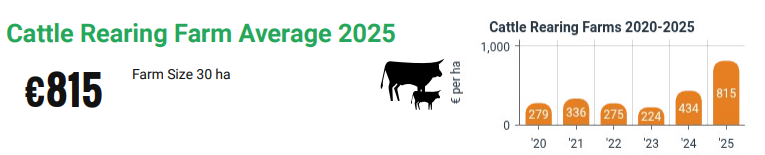
According to the survey, cattle rearing farms saw the largest increase in income per hectare, which went up by 89% in 2025 to reach €815/ha.
This is in contrast to an average increase of 33% to €1,198/ha across all farm types.
Other figures
Total production costs for the average cattle rearing farm in 2025 were relatively stable but elevated, at €34,169, according to the survey.
This was driven by a slight increase in direct costs, were up 2% to €16,143, and stability in overhead costs, which were up very slightly year-on-year to €18,024.
In terms of individual cost items, expenditure on fertiliser increased by 17% to €2,715 on average. This was due to an increase in price as the data indicates a decrease in usage on cattle rearing farms following some increase in 2024.
Spending on bulky feed increased by 40% to €809, on average.
Average spending on concentrates remained relatively stable compared to 2024 at €4,124. Contracting expenditure declined by 6% to €4,130 on average.
Average livestock and veterinary costs increased by 11% to €2,619. Other direct costs decreased on average by 10% to €1,632.
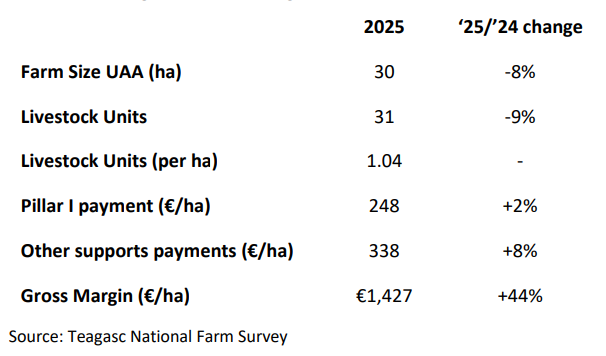
There was an 8% decrease in the average sized cattle rearing farm in 2025 to 30ha.
Total livestock units declined by 9% on the average cattle rearing farm in 2025, to 31.
The average gross margin on a per hectare basis on cattle rearing farms in 2025 increased by 44% to €1,427.
Income, supports and debt
The average amount of support payments received on cattle rearing farms decreased by 4% in 2025, to €17,285, the survey found.
The average support payments is €585/ha, of which Pillar I Payments are €246/ha (again, on farm size 30ha).
Support payments accounted for 72% of FFI, according to the report.
The percentage of farms in this category with debt is 23%, with the loan amount at €24,967 for farm income of €33,295 (farms with debt). The debt to FFI ratio is .75.
Many cattle rearing farmers also have income from off-farm employment, the survey noted.
The incidence of off-farm employment for the cattle rearing holder and/or spouse is 62%; of that, holder-only is 52%, and spouse-only 40%.
Cattle rearing farms
Cattle rearing farms account for a total of 21% of NFS farm types, 21% are cattle rearing farms.
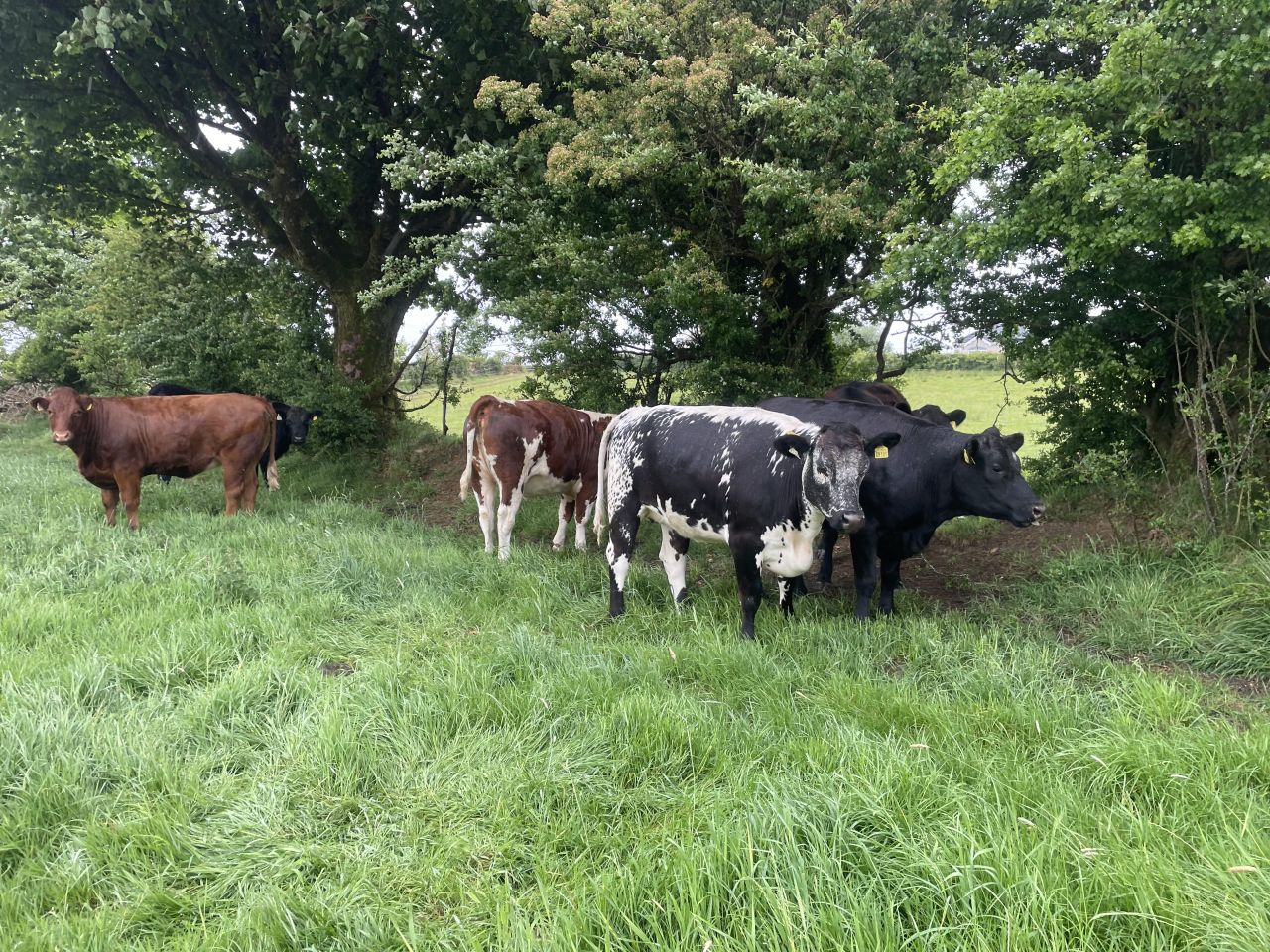
The cattle rearing system refers to those farms where the greater proportion of the farm’s activity relates to suckler beef production.