€960 a day to feed a dairy farm: The cost of drought in the south-east

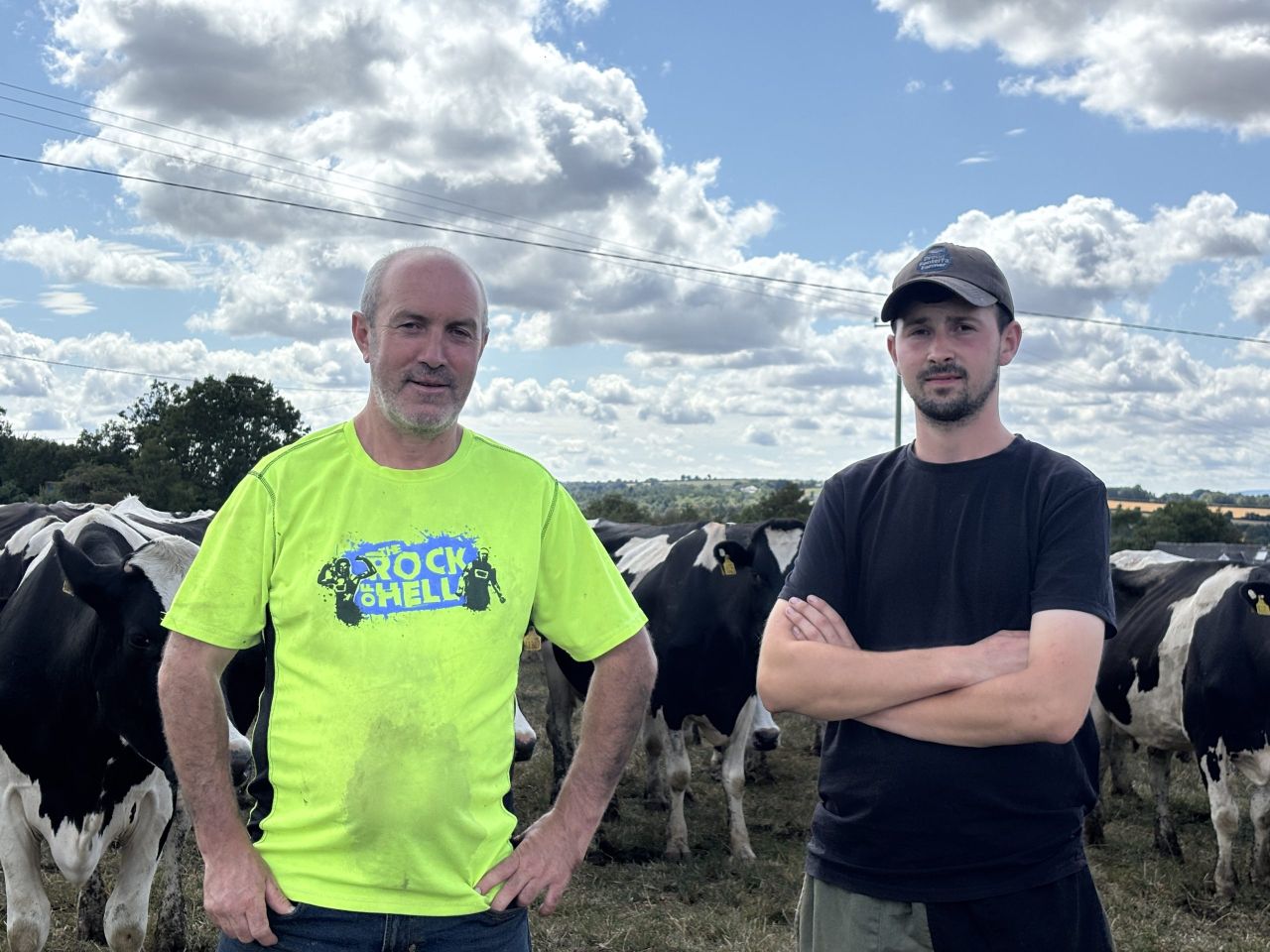
The cost of drought conditions is hitting farmers hard in the south-east of the country, with one dairy farm estimating a daily feeding cost of €960.
Jim Higgins is farming with his wife Helen and sons James and Paddy outside Gorey, Co. Wexford, milking 230 cows, and growing maize.
Like for the Higgins farm, drought conditions in this part of the country have meant that due to lack of grass growth, many farmers are being left with no option but to turn to silage, nuts and other sources of feed.
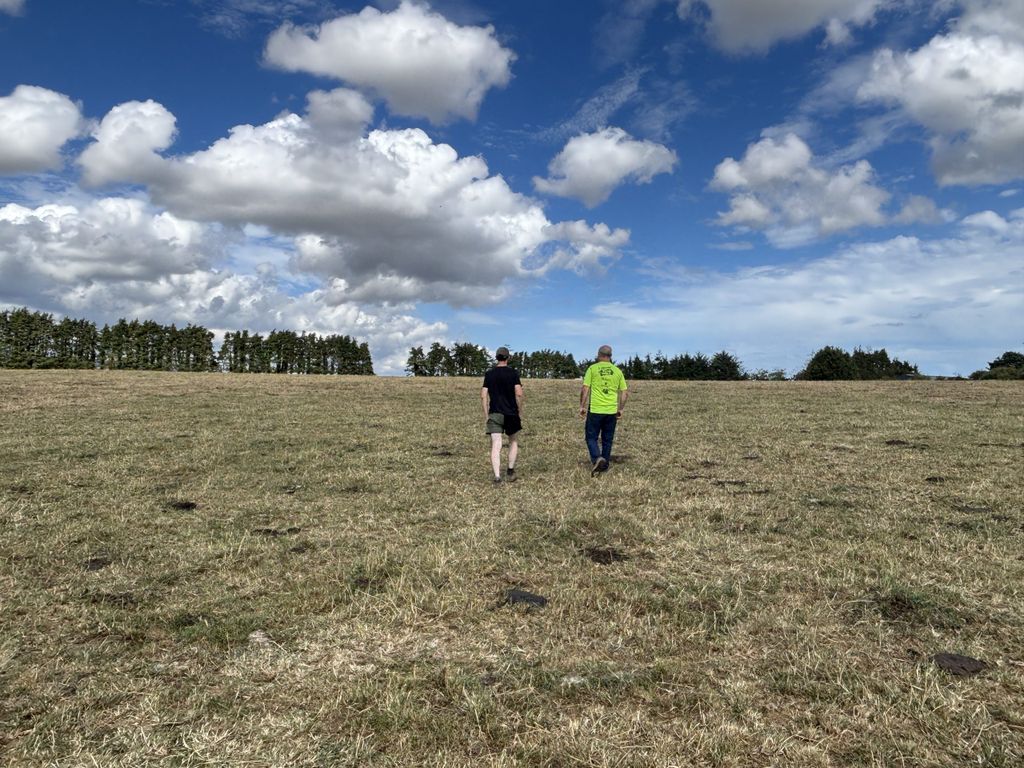
In many parts of the south and east of the country, forage has been fed to livestock continuously since July.
Farmer concern is growing, and soils in the south-east are in near-drought or drought conditions with this expected to persist, with little change expected in the coming days.
Some farms are experiencing significant cost implications as a result of these conditions.
Out to grass
James Higgins said that generally, in a typical year, animals are out to grass 290 days.
"We'll house about November 15, and in a typical spring, we'll go out February 1.
"We're blessed in that sense in that we're a very dry farm - a blessing in the spring and the backend, but it comes to this time of year then and that's when we really dry up and the pressure comes on," he said.
During a wet start to the year, the farm was feeding slighly more.
"We had the reserves there for that, we had the silage and the maize, but grass growth was definitely slower than what we'd like to see.
"The cows stayed fairly healthy and we just had slightly lower grass growth rates," James said.
Fast forward a few months, and too much rain is no longer a problem for farms.
"July 17 we started zero-grazing," James said.
"We just finished second-cut silage, and we kept one field off of that. The week before that we actually fed six acres that we were planning to cut for second-cut silage.
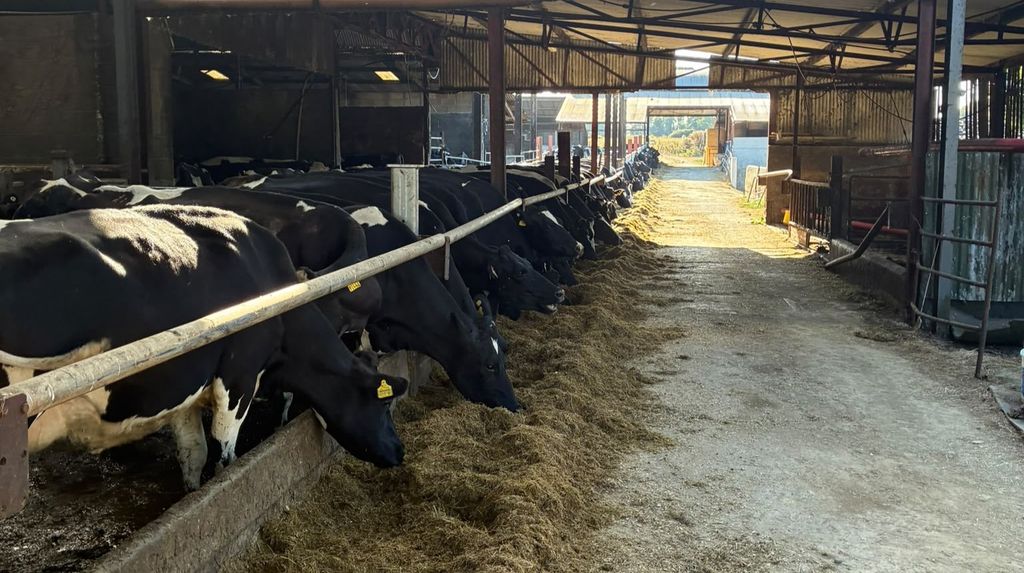
"Probably from July 25 we went on a full winter diet.
"We're just trying to feed them as well as we can, while keeping costs at some sort of a reasonable level.
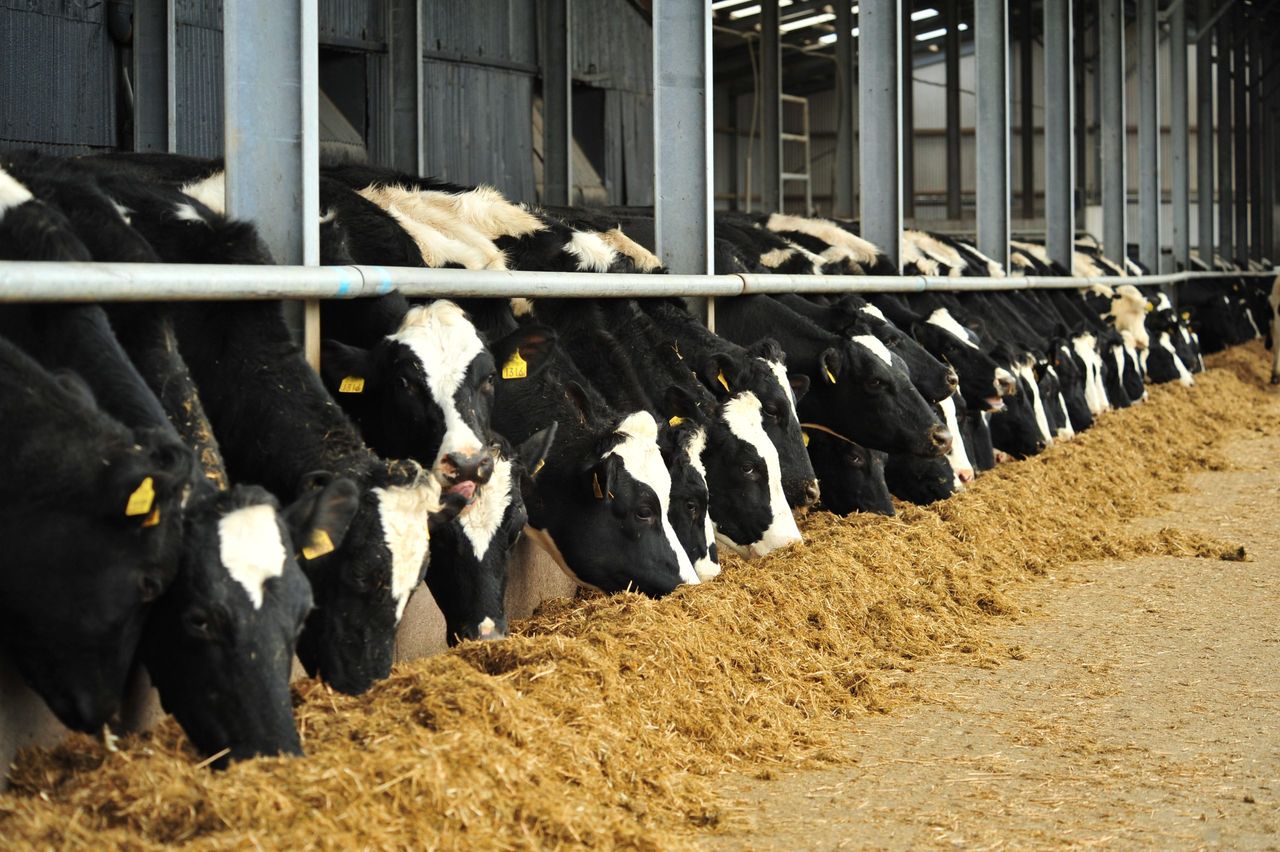
"They're getting that generally when they come in for milking, they're eating most of it, but they can wander in and out of the paddock whenever they want.
"We're lucky that we carried a nice bit of maize from last year," he added.
The workload involved in the diet feeder each day "keeps us busy" too, according to James.
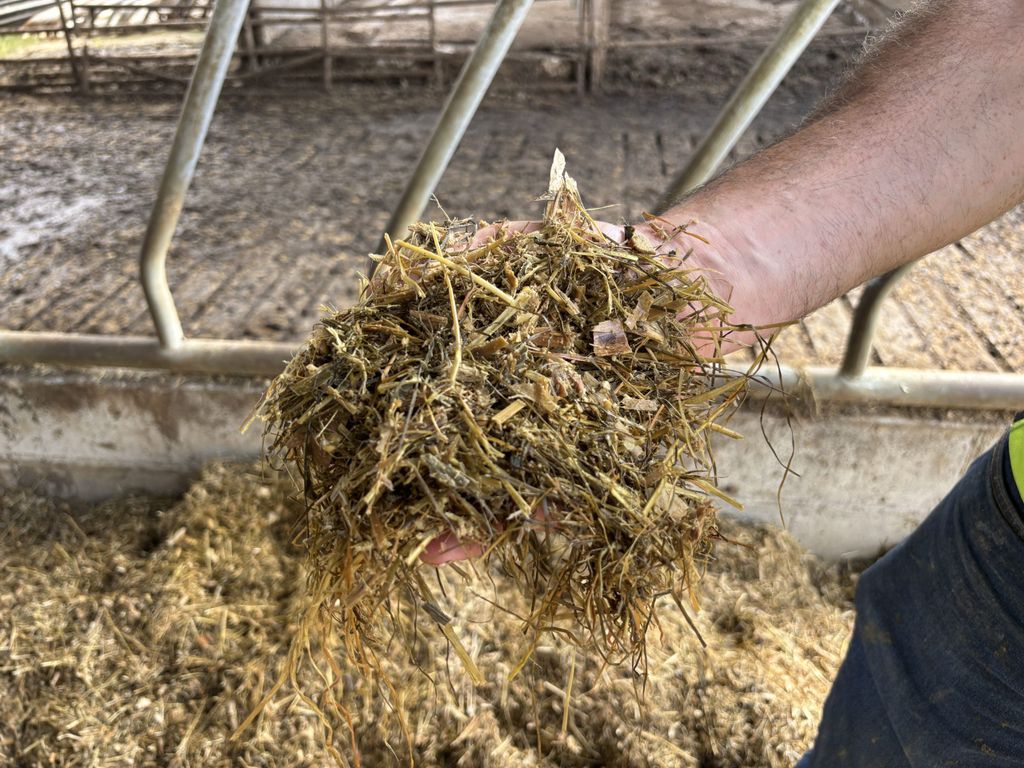
James said at the moment, he estimates the costs are somewhere around €960 a day, "if you include the costs of the meal, the silage, what it costs to produce, and the maize".
"For a cow, she's eating €1.50 in silage every day, 80c on maize, barley is costing 23c, soya €1.02 and nuts at 60c - so €4.15 to feed the cow."
This compares to the diet of grass and nuts otherwise, which would cost €2.20.
"Most of the cost to grow that grass are still there anyway, so it's looking at massive costs," James said.
"The heifers are eating 2t of silage a day, there's another bale a day going in of haylage, and that's all the cost of it now - if we have to buy that stuff back, then you're getting into massive costs."
Fear
His father Jim said there is a "fear of not being able to get feed going forward".
He said: "We've secured a bit of extra straw already, luckily we had secured maize this time last year, we got a chance to buy some extra maize as well as what we grow.
"We've done a fodder budget and I think we have until the end of the month really before we're eating into our winter stocks.
"We should be okay for another 25 days or something like that.
"At that point then, we're gambling."
Jim added that while the farm is a "grass-based model and we've been committed to grass", the farm is also "probably lucky in that we're diet feeding".
He feels this is "saving us a little bit and does give you options then going forward".
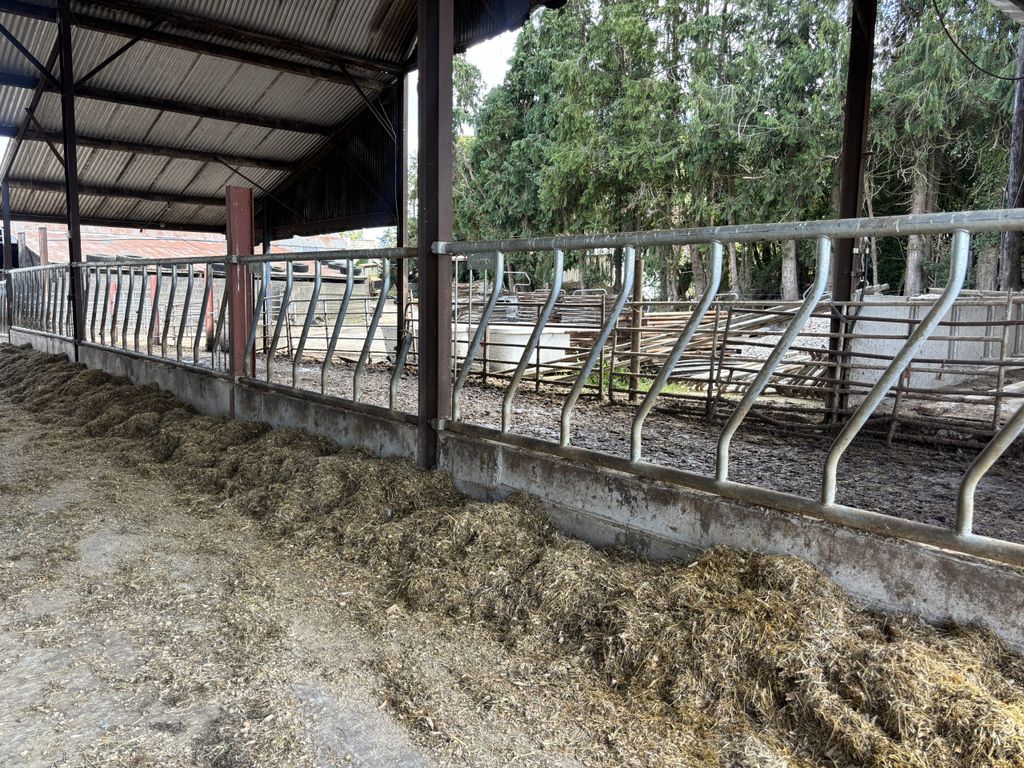
Jim said many farmers will have had stocks of fodder from last year, and most had made first and second-cut silage which is a "big help" at the moment.
However, he acknowledged that "some farmers will already be in big trouble" and that "it is a worrying and expensive time" for all.
But, "it's outside of our control", Jim said, so the farm's focus is to "keep the cow fed, keep the milk up and try and keep cashflow going".
Resiliance
The farm has a well, but James said "like every dairy farmer in the country, we're wondering how long can it keep going for".
Jim said: "We have 500 gallon troughs there, the cows will go out after milking and empty two of them without drawing a breath.
"That would be crisis point for us, if the water stopped."
From a resilience point of view, maybe farms should be looking at having more wells, Jim said.
In terms of feed, he added: "We will definitely try to grow more maize next year.
"We find the maize is the one thing that's almost drought-resistant".
Jim said if farmers are to learn a lesson from this, "we need to be prepared with stocks" and have "some sort of collaboration between farmers to make that happen".