
Dry cow management ahead of the calving season

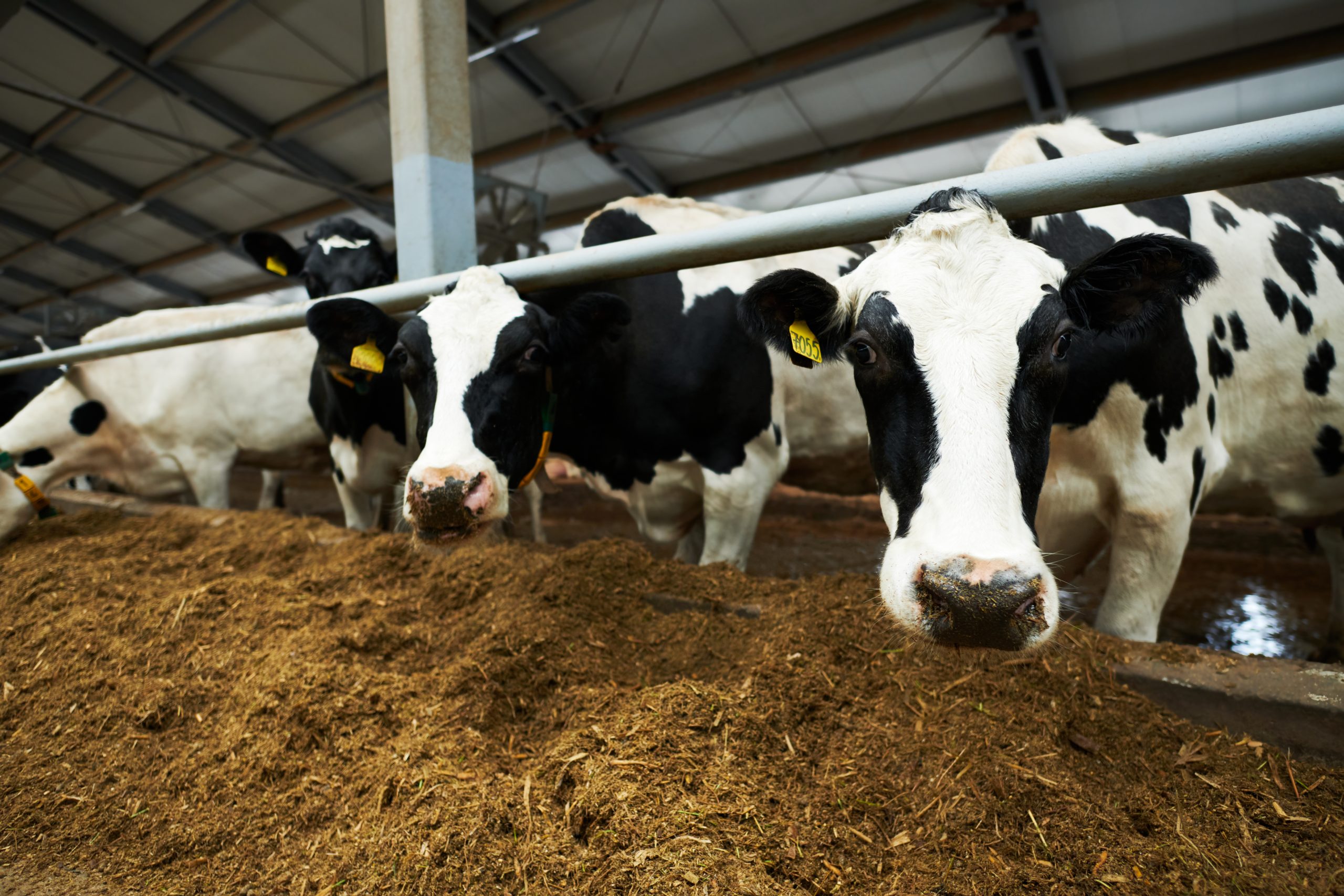
Over the next few weeks, it is important to continually asses your dry cow management to ensure cows calve down at the correct body condition score (BCS).
Ideally, cows should be calving down with an optimum BCS of 3.0-3.25 next month to minimise complications with calving or any knock-on health affects.
Realistically, most issues that arise from the calving period can often be traced back to the dry or transition period of the cows.
Therefore taking the time now to ensure cows are healthy and at the correct BCS should give you time to correct any issues and hopefully have an easy calving season.
Adjusting diets to correct body condition is a process rather than hard labour.
So, remember that the dry period is a time where you can get in off the farm that bit earlier to rest for yourself and prevent burn-out next month.
Feeding
Feeding is the main concern in this period; inadequate diets or poor quality silage can lead to metabolic disorders come spring.
A lot of farmers may be opening new silage pits as we near two months of housing - remember to test that silage.
Ideally you want silage above 70% dry matter digestibility (DMD).
However if silage is that bit lower, consider bridging the nutritional gap with concentrates.
If second or third silage is of a poorer quality, consider keeping the best quality for animals who need it most in terms of poor BCS or problems during the transition period.
When testing silage, make sure you also test for the fodder's mineral content and carry out a mineral supplementation programme based off the results.
Most dry cow minerals are carefully manufactured to address cows' requirements, but they must be fed properly.
It is recommended to supplement with minerals for the last seven weeks of pregnancy.
The specifications for your minerals should be as follows:
- Low calcium (<1.1%);
- 20-25% magnesium;
- 2-5% phosphorus (P) fed at a higher rate if forage P content is low;
- Vitamin D – at least 12,000 units/100g;
- Trace minerals – copper, zinc, selenium, manganese, iodine, and cobalt with protected sources included where required.
Minerals are usually fed at a rate of 120g/cow/day. If you are dusting minerals on silage, it is better to do it twice a day at a rate of 60g.
An incorrect mineral status can result in;
- Udder oedema;
- Milk fever;
- Retained placenta;
- Displaced abomasum (stomach);
- Laminitis;
- Metritis;
- Ketosis;
- Fatty liver syndrome.
Regular blood testing of your herd will help determine the mineral required for the herd, and a plan can then be put in place and discussed with your vet.
Problems arise on farms when the cows do not receive enough minerals or are fed too much of a certain mineral, so it is important that the rates fed are properly calculated.