Did the heatwave expose water availability issues?

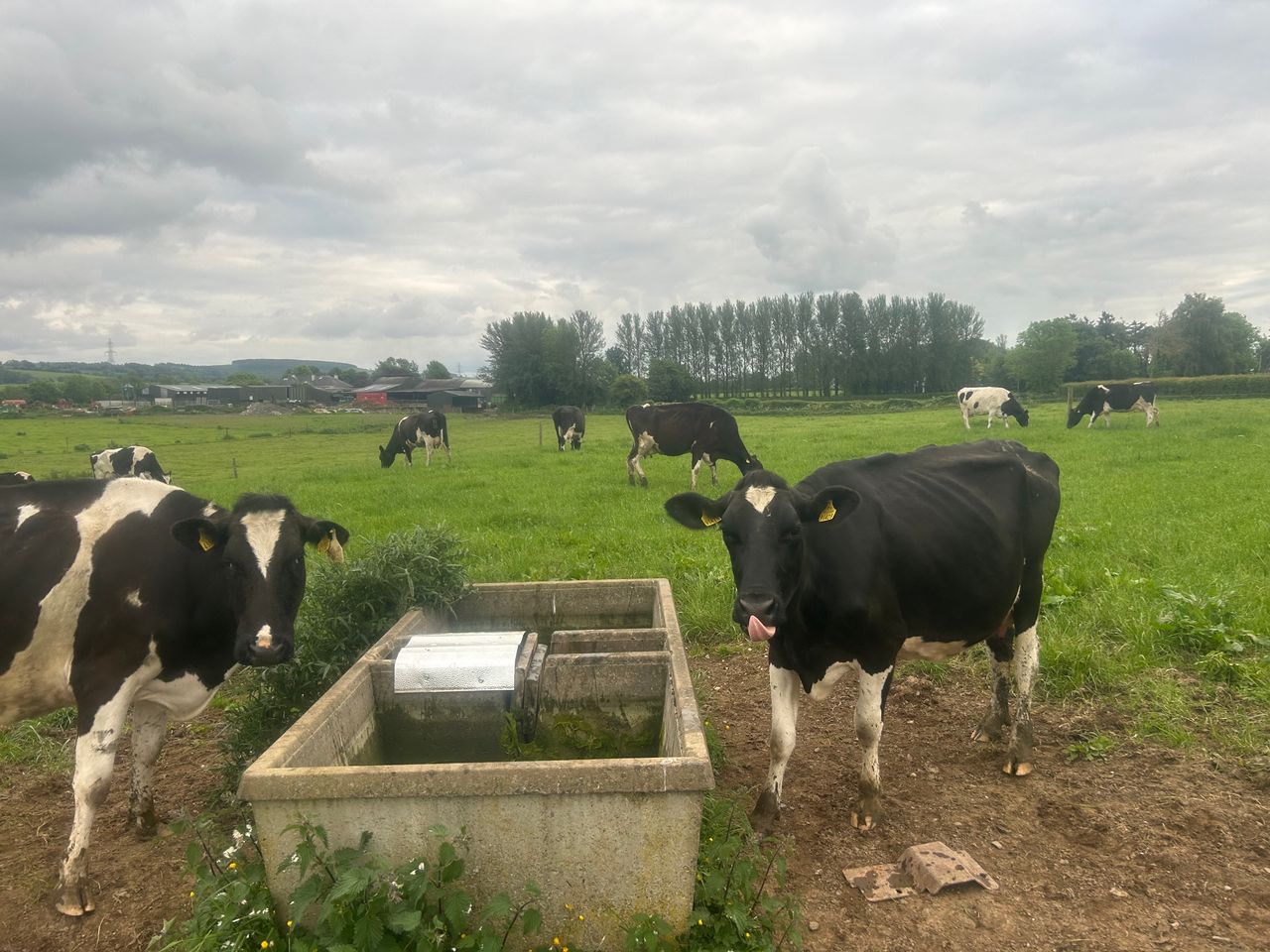
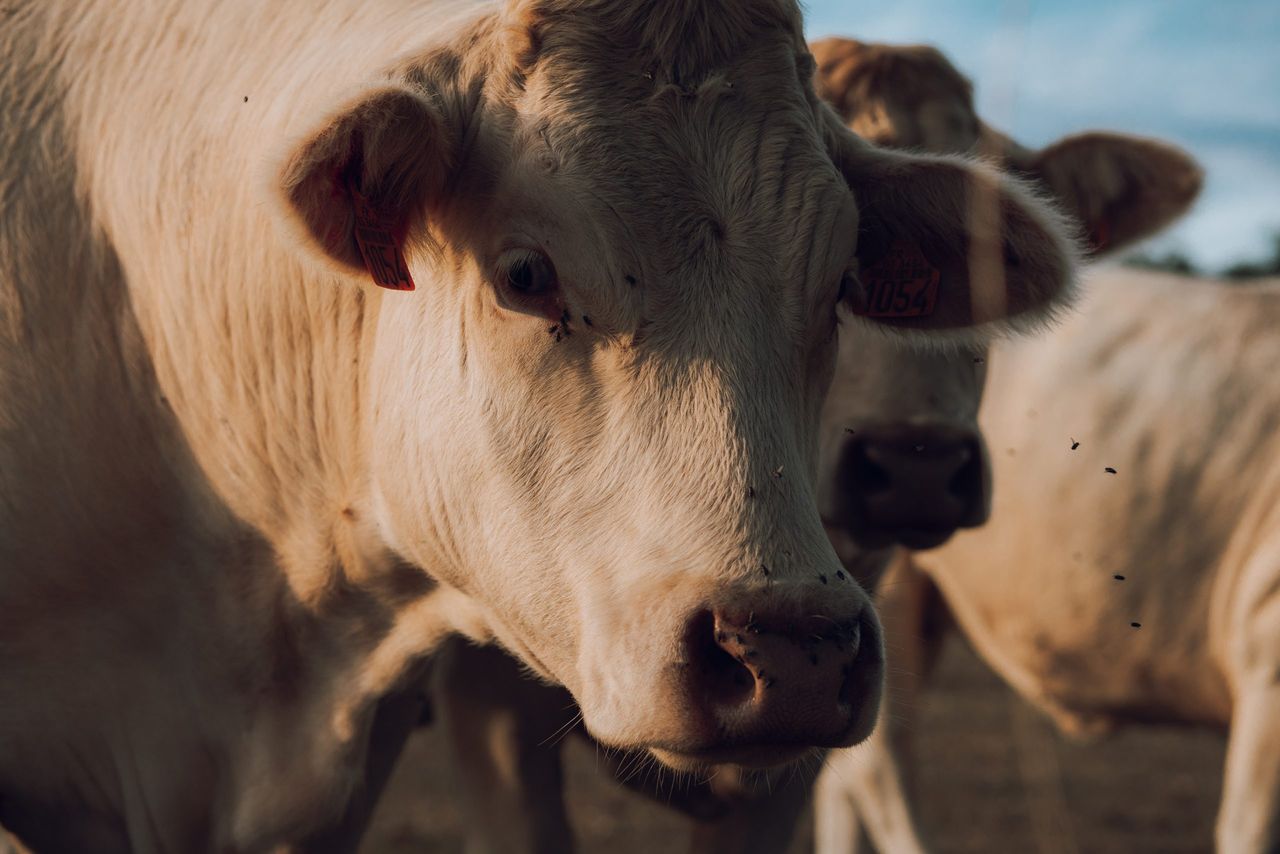
Last week's heatwave brought with it a bout of heat stress in dairy cows across the country, meaning water intake rocketed up.
This increased intake placed pressure on a lot of farm's water supplies, showing up any flaws within their system.
However, the exposed weaknesses can actually prove useful, pin-pointing and fixing any issues which may have gone unnoticed otherwise, such as leaks, poor pressure, or faulty ballcocks.
Water availability
Peak water demands occur after evening milking, and to a lesser extent after morning milking.
This is when availability will be under the most pressure as cows develop a thirst between milking, walking, and eating ration.
There should be enough space at the trough for each round of cows to have comfortable access, ideally 450mm/cow.
Milk is almost 90% water and cows drink 4-4.5L of water/kg of milk produced – daily drinking requirements vary but can be 60-140L/cow.
On an average day, a 150-cow herd could drink up to 10,000L (65L/cow).
A large number of cows standing around the trough can be an indictor that your system is under pressure and water is not being supplied fast enough.
Upgrades
When upgrading troughs, it is worth looking at paddock placement.
Quite often, water troughs are set up on roadways in order to provide for two or three paddocks, but this can restrict the herd's access to water as it results in queuing.
In an ideal situation, the water trough should be located in the middle of the paddock in order for the cows to access water from all angles, although additional troughs on roadways to the parlour are no harm.
If you are doing this, install it in a highly trafficked area, as long as it does not disrupt cow flow. If the trough is creating a pinch point it will only lead to lameness issues.
Then for your trough size, there should also be a reserve of water in your paddocks of about 9L/cow, which is the equivalent of 1,350L (300gal) for a 150-cow herd.
An appropriate size pipe will allow for a good flow rate. If a trough is empty after cows use it, it is likely that the flow of water is lower than the demand and so troughs should be inspected before and after each milking.
A wider pipe is often required to increase the amount of water that can flow through the system.
For the main waterline, a 38-42mm internal diameter is required for a 150-cow herd.