European bird flu cases due to remain low over summer - EFSA


Detections of highly pathogenic avian influenza (bird flu) declined in Europe during the spring and are expected to remain low over the summer.
That is according to the latest quarterly monitoring report by the European Food Safety Authority (EFSA), the European Centre for Disease Prevention and Control (ECDC), and the EU reference laboratory (EURL).
Between February 28 and June 4, 2026, EU member states reported 186 bird flu outbreaks in poultry and captive birds, as well as 763 detections in wild birds.
"While the number of outbreaks in domestic birds is similar to the same period last year, detections in wild birds were at least three times higher this year, reflecting very high viral circulation in waterfowl," the report said.
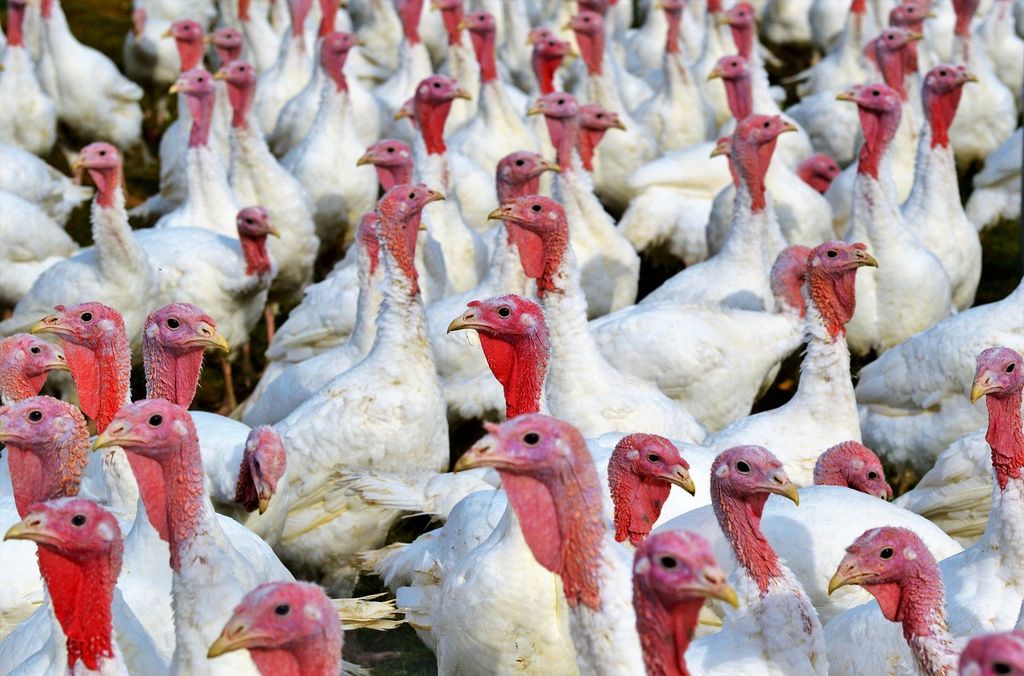
While the level of virus contamination of the environment is expected to be lower in the coming months, the EFSA said biosecurity measures in domestic bird establishments should be "optimised and maintained at a high level".
"This is particularly the case for establishments under the same ownership or located in densely populated poultry areas," the authority said.
The EFSA recommended that surveillance in domestic birds should be maintained at a level that ensures early detection of infected poultry establishments.
Bird flu
The report also notes that Hungary reported low pathogenic avian influenza H9N2 cases in seven poultry farms.
While H9N2 detections have previously been reported in the EU, this is the first detection of the specific clade H9N2 G5.5, which has also been responsible for occasional human cases in the Middle East and West Africa.
The EFSA and ECDC have advised member states to monitor this situation closely.
Human cases
The authorities said that the risk to the general public from bird flu remains low.
During the period covered by the report, six human cases of avianinfluenza A(H5N1) infection were publicly reported worldwide.
All cases had direct or probable indirect exposure to poultry.
During the same time period, one imported human case of avian influenza A(H9N2) was reported in Italy, representing the first human case of avian influenza A(H9N2) reported in the EU/EEA.
"With the extensive circulation of avian influenza viruses in bird populations globally, sporadic transmission to humans is likely to continue in settings where people have unprotected exposure to infected animals or their environment," the report said.
Meanwhile, scientists also considered the number of HPAI detections in mammals to be low, compared to the high number of outbreaks during the winter period.
Red foxes were the most affected mammal species in the EU.