EU livestock numbers fall again in 2025 - Eurostat

Livestock numbers across the European Union decreased further in 2025, with falls recorded in the numbers of cattle, sheep, pigs and goats.
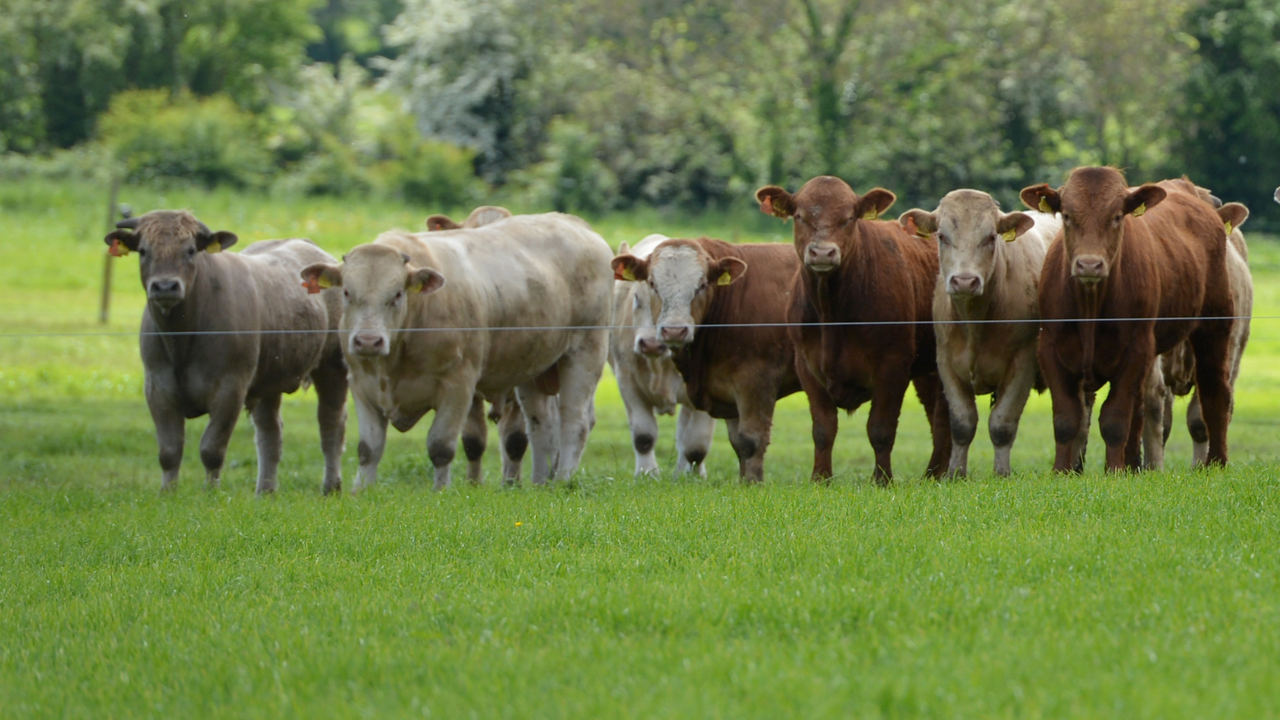
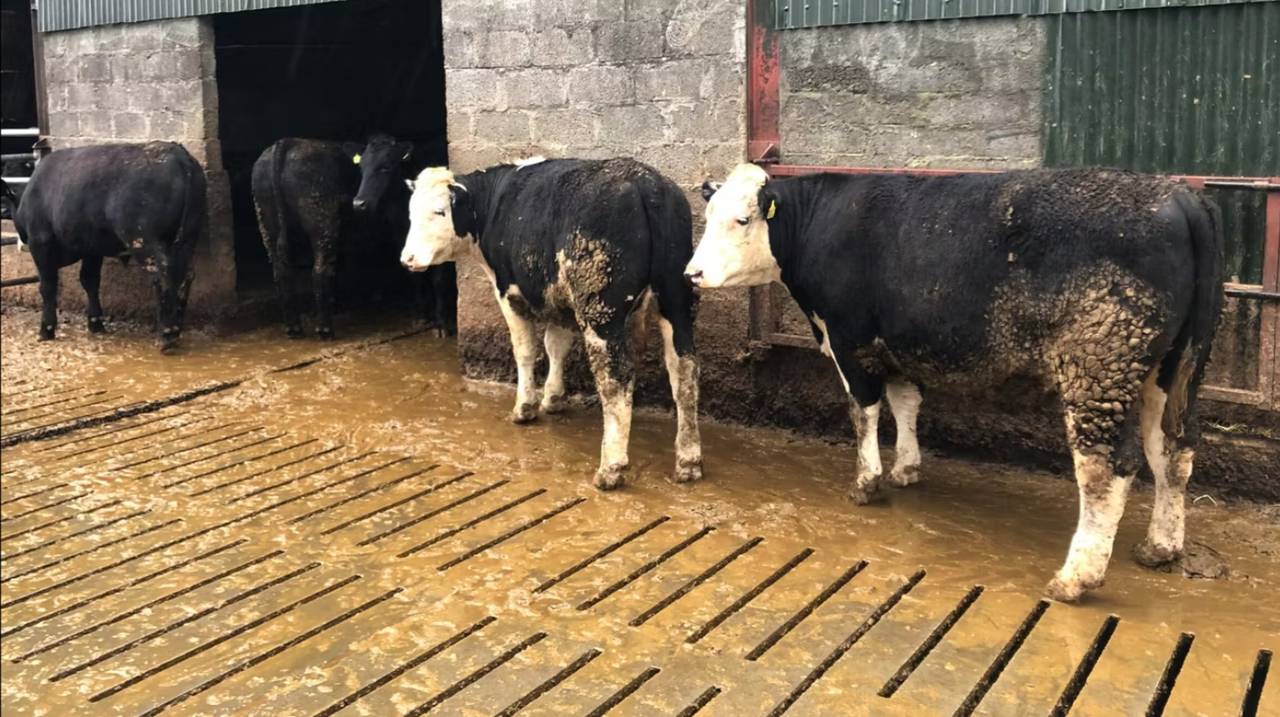
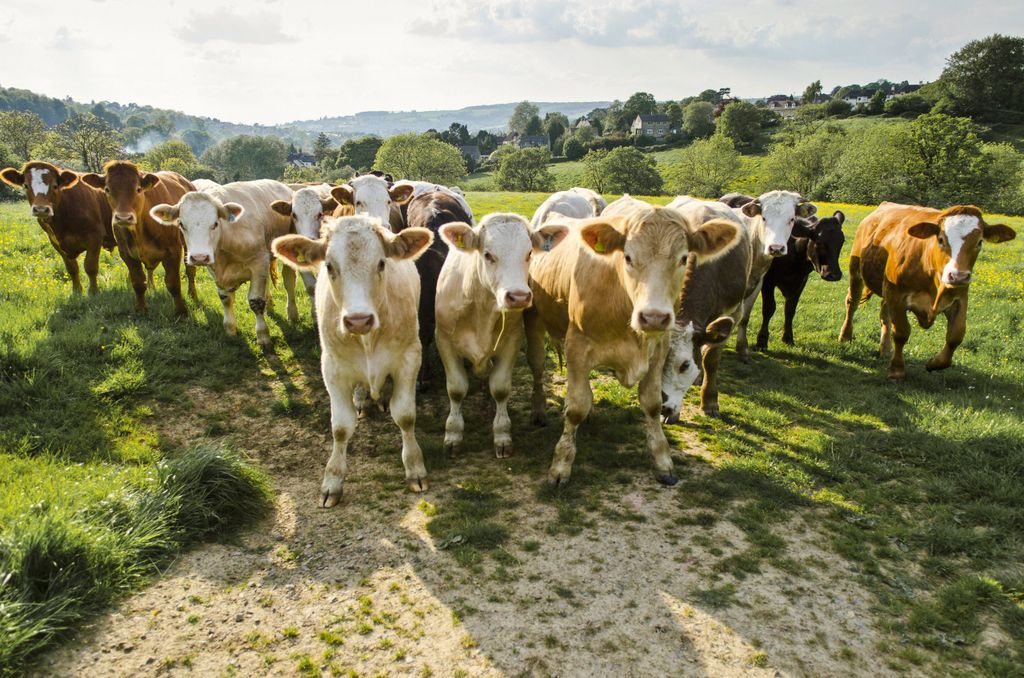
According to the data published by Eurostat, the EU had 71.6 million bovines in 2025, down 0.4% on the previous year.
There were 55.3 million sheep, which is a drop of 2.2% on 2024 and 131.5 million pigs which was back by 0.5%.
The data shows there were 10.2 million goats in the EU last year, down 2.5% on 2024.
Eurostat said that "these declines are part of a longer-term trend in the EU".
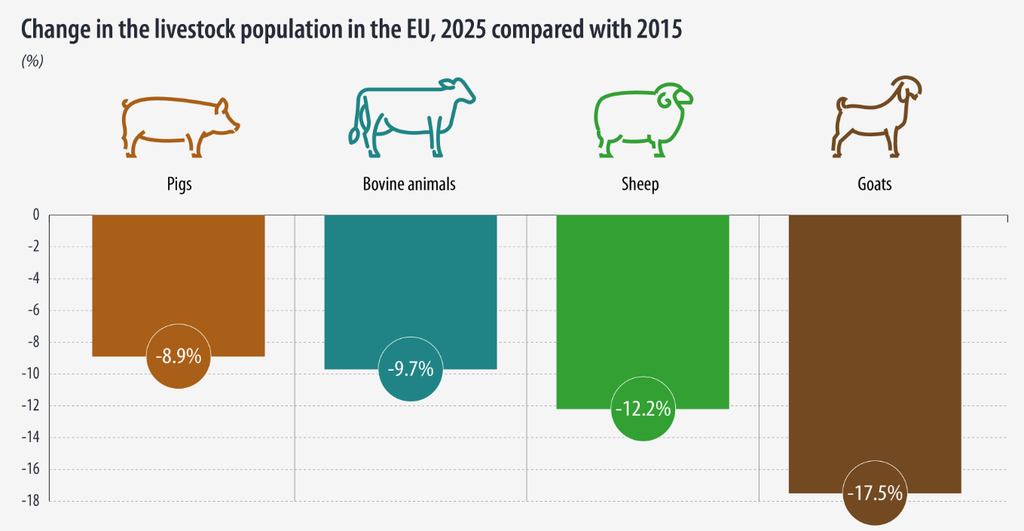
"Compared with 2015, pig numbers were 8.9% lower in 2025, bovine animals 9.7% lower, sheep 12.2% lower and goats 17.5% lower," the EU statistics agency said.
European Commissioner for Agriculture and Food Christophe Hansen said: "These figures are a reminder of the pressures facing EU livestock farming.
"Next week, we will present our livestock strategy to help strengthen the sector’s resilience and long-term competitiveness."
Livestock farming
Meanwhile, the European Commission is due to reveal its Sustainable Livestock Strategy for the EU next week.
Last year, European Commission President, Ursula von der Leyen, announced that the commission plans to present a livestock strategy with the aim of protecting wildlife and the environment, enhancing competitiveness and improving elements of animal welfare.
The livestock strategy aims to foster the competitiveness, resilience and sustainability of the EU livestock sector and agri-food chain.
In a draft version of the strategy document seen by Agriland, the commission acknowledges that livestock farming represents about 40% of EU added agricultural value and generates €400 billion in turn over per year.
The draft document also outlines that livestock farming contributes to EU food security but providing high-quality protein for Europe and countries across the world.
While the strategy aims to help the sector become less vulnerable and increase its resilience in terms of competitiveness, it also states that it needs to better respond to society's expectations regarding animal welfare.
Challenges for livestock farming
According to the draft strategy, the livestock farming sector faces a number of pressures.
These pressures are already contributing to farm exits in some regions, particularly in cattle, sheep and goats, and raise concerns about the long-term continuity of livestock activity in parts of the EU, in particular in vulnerable areas such as less favoured, mountainous or remote regions.
The strategy also acknowledges that a central challenge is profitability.
"High and volatile input costs, market volatility, and exposure to price fluctuations in feed and energy continue to compress margins and limit farmers capacity to invest, modernise, and innovate," the draft document outlined.
Many livestock farms rely heavily on Common Agricultural Policy (CAP) support and external financing such as off-farm income, while take-up of risk management tools remains uneven.
Low profitability in turn means that farmers may have limited capacity to invest in measures to improve sustainability and animal welfare.
What the strategy plans to do
The EU has said that it has to halt the decline in livestock population by bringing back sustainable production in areas where livestock is the only option to sustain rural economies and biodiversity.
"The sector must be supported by coherent policy framework that is simple, predictable and takes into account farming realities," the draft strategy states.
The CAP is expected to remain a key pillar of support, both for income, investments and incentives, in conjunction with the National and Regional Partnership (NRP) plans and supported by the Horizon and ECF funds to stimulate innovation.
The EU has said that livestock farmers need better access to insurance, reinsurance, mutual funds and income stabilisation tools that reflect the specific risks of the sector, including climate events, market disruption and animal diseases.
It is aiming for future policy to improve coherence between risk management and crisis management so that emergency support does not substitute for preparedness but complements it.
In this context, the commission is working with financial institutions, including the European Investment Bank, to develop a dedicated risk-management financial instrument under the future EU budget framework.
It would cover climate-related insurance and reinsurance needs and extend support to risks linked to animal diseases.
A second priority for the EU is to strengthen disease prevention and response.
The evaluation of the Animal Health Law will provide a basis for updating the EU's One Health approach to disease management, including a broader and science-based use of preventive vaccination where appropriate.
Adequate EU financing is needed for prevention, surveillance, control and eradication, especially for emergency measures in the event of major outbreaks, according to the draft strategy.
It is recommended that the future EU budget provide reliable access to appropriate funding specifically designed to address specific policy priorities, crises or long-term challenges outside the traditional EU budget structure.
In an area vulnerable to bluetongue, lumpy skin disease or avian influenza, authorities and stakeholders establish a coordinated disease prevention system:
- Member states co-fund biosecurity upgrades (disinfection stations, controlled farm access, separation zones);
- Farmers receive training via advisory services and EIP-AGRI groups on disease prevention and contingency planning;
- Member states and livestock value chain embark on a cost-sharing framework to jointly fund responses to disease outbreaks, including compensation for affected producers, based on pre-arranged financial mechanisms (costs for eradication, containment and recovery are split between public and private levies/insurance pools);
- A public-private vaccination and surveillance programme is rolled out as new vaccines become available through EU-supported R&I.
A third priority is to invest more in adaptation, mitigation and innovation.
According to the commission, this should include support for innovations that reduce emissions intensity, improve nutrient management and strengthen the contribution of livestock systems to the circular bioeconomy, alongside adaptation measures.
It also urges member states to be less reliant on imports inputs and more supportive of homegrown protein production.
This is just some of the detail included in the draft strategy which is expected to be published around July 7, 2026.
Additional reporting by Stella Meehan.