Video: What were some of the main talking points at BEEF2026?

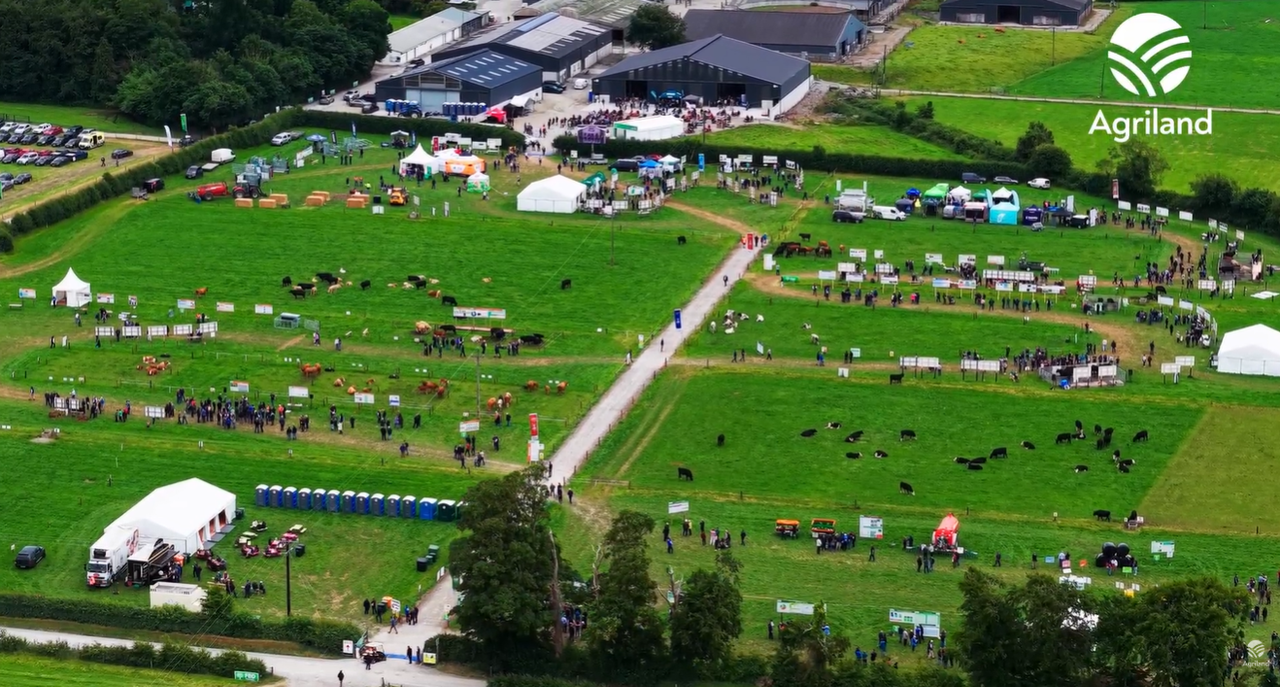
Farmers and beef industry stakeholders from across Ireland and further afield travelled to Teagasc Grange in Co. Meath today (Wednesday, July 1) for the biennial BEEF2026 open day.
The theme for this year's event was 'Driving Sustainable Performance' and all aspects of the theme relevant to beef farming and the lives of beef farmers were explored at the event.
Click here to visit the BEEF2026 Knowledge Hub.
Teagasc beef enterprise leader Paul Crossan set the scene at the opening stand of the event highlighting that beef farms of the future need to be "profitable, manageable and attractive".
He emphasised that time pressure is a key challenge on many beef farms across Ireland, in particular on beef farms where the farmer has an off-farm job.
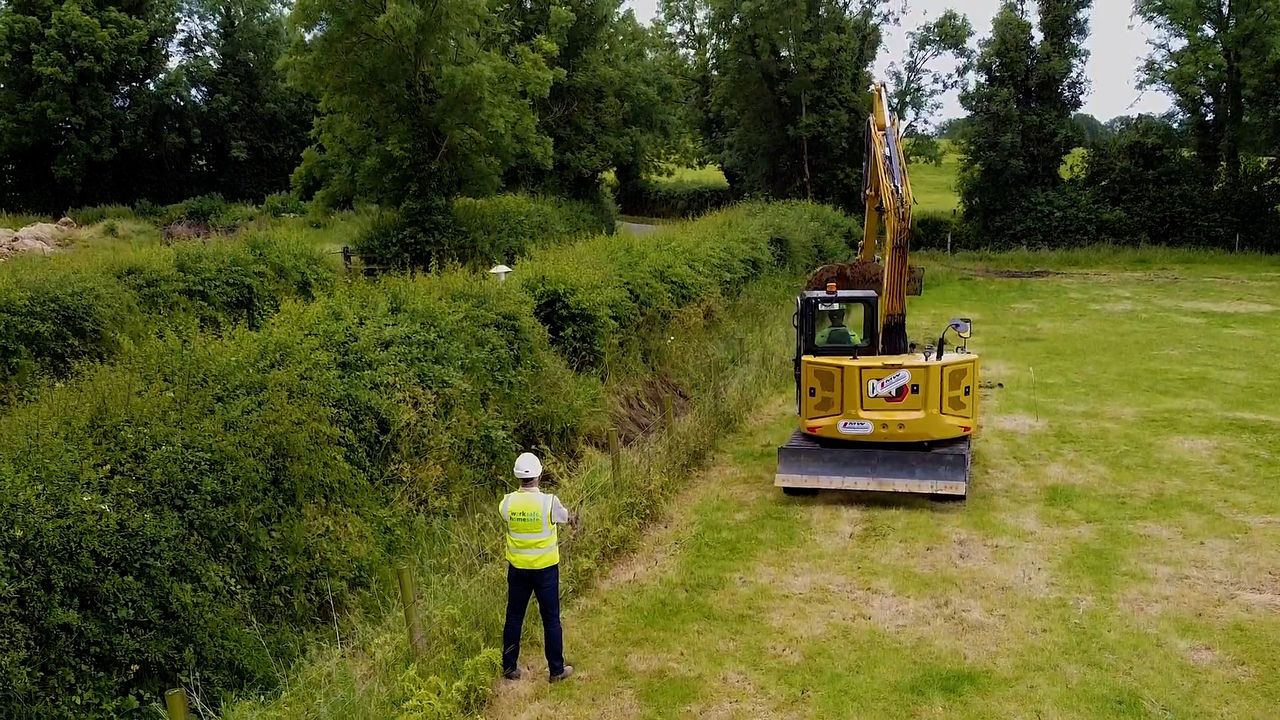
Strategies to improve time efficiency on beef farms such as the use of contractors, improving farm infrastructure and embracing new technologies were all mentioned as potential ways of reducing the amount of time required to run a beef farm.
Teagasc figures presented on the day indicated that the net margin/ha on the top third of Irish suckler farms more than trebled in 2025 to €1,580/ha from €520/ha in 2024.
The three key requirements that were highlighted to drive sustainable performance on all Irish beef farms were:
- Generate an economic return;
- Achieve a work/life balance;
- Have a low environmental footprint.
Teagasc's Peter Doyle said that the annual cost of keeping a suckler cow/calf pair is estimated at €1,000 but a net profit of €820/cow/year is achievable.
However, he said that when targets in the key performance indicators (KPIs) are missed, these profits can be significantly eroded.
The key KPIs impacting suckler farm profitability that were highlighted in the research are average daily gain (ADG), calving rate, no clover in swards, age at first calving and grazing season length.
Teagasc researcher Ellen Fitzpatrick highlighted the impact of paying higher calf prices for lower beef-merit dairy-beef animals and the impact on eroding profit margins.
Teagasc's Alan Dillon highlighted that combining high-beef-genetic-merit calves and an efficient system maximises farm profitability in dairy-beef operations.
The BEEF2026 event also showcased several area-specific villages with advisors on hand to discuss the latest advice and best practice in grassland management, suckler farming, dairy calf to beef operations and beef finishing enterprises.
There were also areas of the open day designated to health, safety and wellbeing as well as advisory and education.
Those in attendance at BEEF2026 could also visit the on-farm anaerobic digestor as well as meet representatives in the industry and agtech villages.
The day also featured a series of panel discussions focused on dairy calf to beef, suckler farming and industry outlooks.
Stay tuned to Agriland for further updates from the event or click here to see some of the key research presented on the day.